
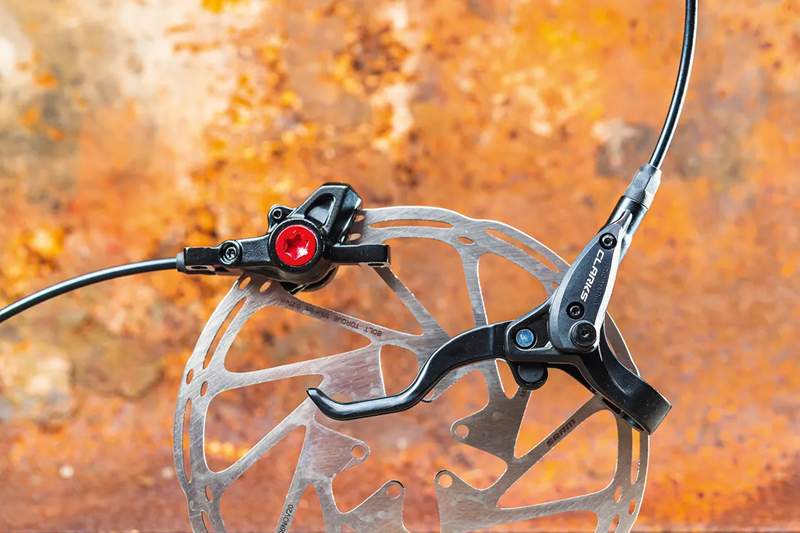

While mechanical disc brakes often receive criticism and can’t fully match the feel and efficiency of hydraulic systems, they are not beyond help. With a few straightforward upgrades and adjustments, you can significantly enhance their performance.
Housing is Often the Weak Link
In many cases, the underwhelming performance of mechanical disc brakes stems from low-quality housing. Traditional brake housing for rim brakes has some inherent compression, but in disc brake systems which operate under higher tension, this “spongy” feel becomes much more pronounced. Tests show that replacing stock housing with compressionless options, like the Jagwire Pro Compressionless Housing, delivers a noticeable improvement in lever firmness, braking power, and overall responsiveness.
However…
It’s important to consider the cost: a 10-meter roll of Jagwire housing retails for around £64.99 (though you won’t need that much for a single bike). For context, a relatively inexpensive hydraulic disc brake set can be found for as low as £40. In some cases, a full upgrade might be the more cost-effective long-term solution.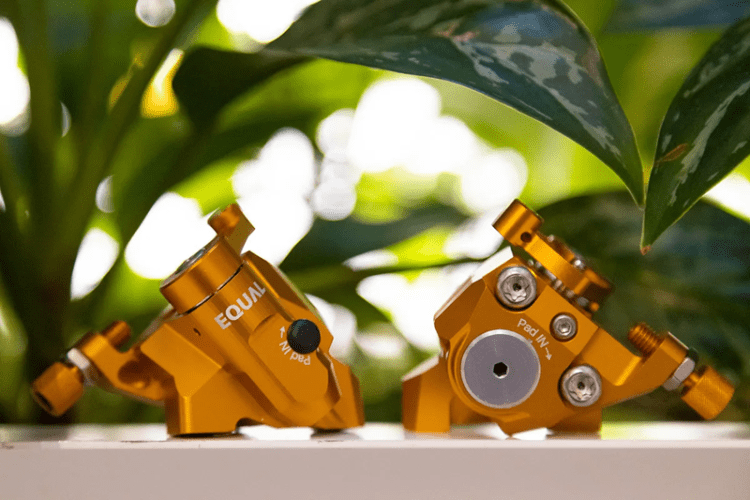
Upgrade Your Brake Pads
The second factor to consider is the brake pads. Stock pads are often mediocre. Switching to high-quality metallic or sintered pads from brands like Kool-Stop, SwissStop, Aztec, or Galfer can provide a substantial boost in braking power and consistency.
Consider a Rotor Upgrade
Finally, consider upgrading the brake rotors, especially if they are paired with low-cost, single-piston brakes. Stock rotors can be thin and prone to warping. Installing thicker, more robust rotors like the TRP R1 or Shimano RT66 can help reduce flex and improve heat dissipation.
Maintenance is Key
To keep any brake system performing at its best, regular maintenance is crucial. Mechanical disc brakes are far less forgiving of misalignment than their hydraulic counterparts. Most mechanical calipers use a design where only one piston moves to push the pad against the rotor, while the other side remains static. Hydraulic brakes typically use opposed pistons that self-center.
Therefore, it’s essential to ensure the caliper is perfectly centered over the rotor so that both pads contact it evenly. As the brake pads wear, you should also regularly take up slack by tightening the cable to maintain proper clearance.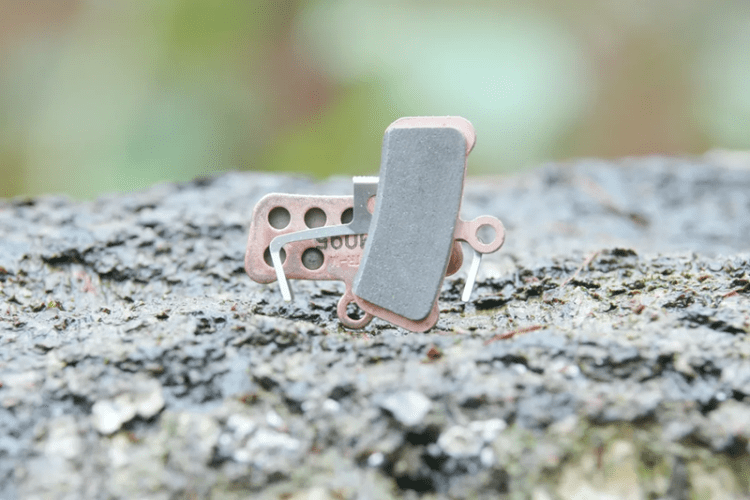
The Ultimate Choice
Mechanical disc brakes are less expensive and can be a practical choice for long-distance touring where hydraulic maintenance might be challenging. However, for pure riding feel and performance, especially in demanding conditions like mountain biking, hydraulic brakes remain the clear winner. Sometimes, the best solution is to upgrade to a hydraulic system outright.


