
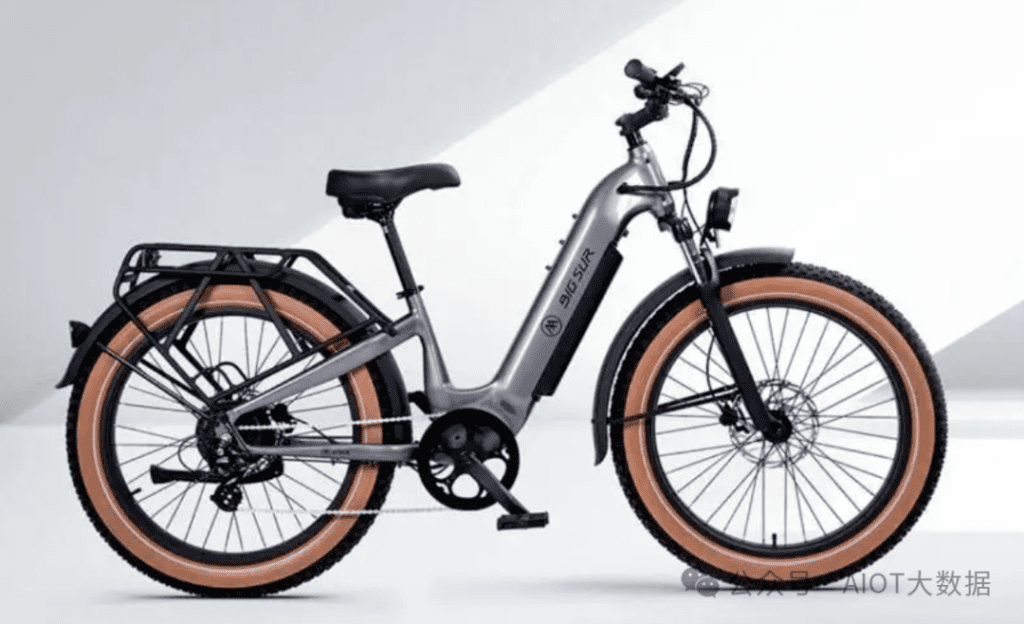

The global bicycle industry has undergone a significant transformation over the past five years, with production gradually shifting from traditional manufacturing hubs while China maintains its crucial position in the supply chain. The industry continues to evolve in response to changing market demands and global trade dynamics.
Global Market Shows Steady Growth
The worldwide bicycle market has demonstrated consistent expansion since 2020, with total sales growing from approximately 120 million units to 145 million units in 2024. This represents a 21% increase over the five-year period, maintaining an average annual growth rate of 4-8% since the initial pandemic-driven surge.
E-bikes have emerged as the primary growth driver, seeing their share of global sales more than double from about 15% in 2020 to over 30% by 2024. Regional markets have shown distinct characteristics, with Europe maintaining its position as the largest market while Asia demonstrates the most dynamic growth potential.
Regional Market Performance (2020-2024)
| Region | 2020 Sales (million units) | 2024 Sales (million units) | Key Characteristics |
|---|---|---|---|
| Europe | 32 | 42 | E-bikes exceed 40% market share, led by Germany and Netherlands |
| North America | 25 | 30 | Premium road bikes dominate, e-bike penetration reaches 30% |
| Asia | 38 | 43 | China leads exports, India emerges as growth market (8M units) |
| Other Regions | 10 | 12.5 | Latin America and Africa show potential for future expansion |
Major Brands Expand Production Capacity
Leading bicycle manufacturers have steadily increased their output to meet growing global demand. Giant Manufacturing from Taiwan remains the industry leader, expanding from 6.5 million units in 2020 to 8.5 million units in 2024. The company has particularly strengthened its e-bike offerings, which now constitute 40% of its total production.
Other major players including Merida, Decathlon, and Trek have all demonstrated consistent growth, with each expanding their production by approximately 30-40% over the five-year period. These companies have increasingly focused on premium segments and e-bike development to maintain their competitive edge.
China’s Evolving Role in Global Production
China continues to serve as the world’s primary bicycle manufacturing hub, though its position is gradually evolving. Chinese factories produced between 86-89 million bicycles in 2024, representing 59-61% of global production. While this marks a slight decrease from the 62-67% share held in 2020, China maintains dominance in e-bike manufacturing, producing approximately 80% of global e-bike units.
The country’s manufacturing focus has shifted toward higher-value products, with e-bikes now constituting over 40% of China’s bicycle exports compared to just 20% in 2020. Chinese suppliers have also moved up the value chain, with companies like Bafang Electric becoming the world’s largest e-bike motor supplier, capturing 35% of the global market.
Production Shifts to Southeast Asia and India
The industry has witnessed substantial production relocation to Southeast Asia and India, driven by labor costs, trade policies, and market access considerations. Vietnam has emerged as the primary beneficiary, increasing its global production share from less than 5% in 2020 to 15-20% in 2024, representing an additional 12-15 million units annually.
India has also demonstrated remarkable growth, with domestic production capacity expanding from 2 million units in 2020 to 10 million units in 2024. Government incentives through the Production Linked Incentive (PLI) scheme have attracted both domestic investment and international partnerships.
Supply Chain Adapts to New Demands
The industry’s supply chain has undergone significant restructuring to accommodate new materials and technologies. Lightweight materials including carbon fiber and magnesium alloys have seen increased adoption in premium segments, with Chinese suppliers like Guangwei Carbon and Yunhai Metal gaining market share against established international competitors.
Automation has become increasingly prevalent, with major manufacturers achieving automation rates exceeding 80% in their production facilities. Specialized e-bike production equipment has seen particularly strong growth, with the market for such machinery expanding by approximately 200% between 2020 and 2024.
Future Outlook Points to Continued Evolution
Industry experts anticipate further changes in the global bicycle manufacturing landscape. Southeast Asia’s production share is expected to reach 30% by 2025, while China will likely continue its transition toward high-value manufacturing and research leadership.
The industry faces several challenges including rising labor costs, international trade policies such as the EU’s Carbon Border Adjustment Mechanism, and the need for continuous technological innovation. However, the fundamental growth drivers—urbanization, environmental concerns, and health consciousness—suggest sustained market expansion in the coming years.

