
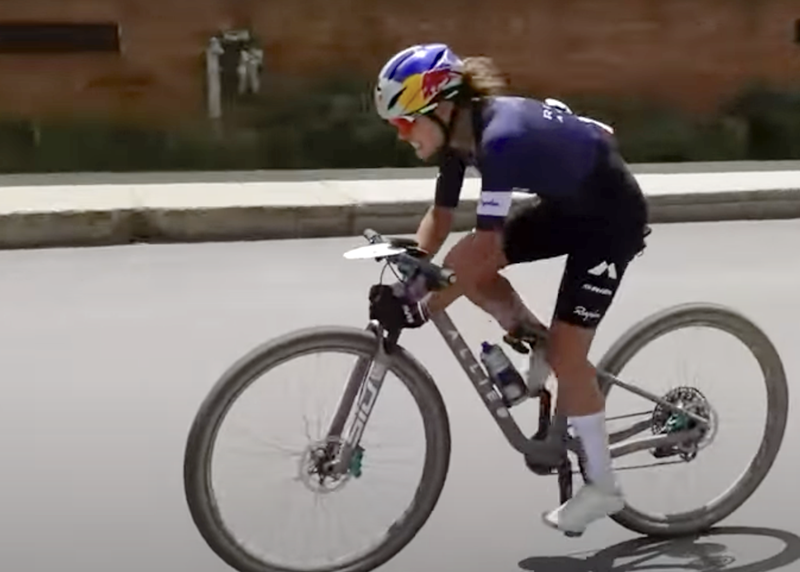

The demanding Leadville Trail 100 MTB—a legendary 100-mile race featuring rugged gravel roads, steep climbs, and technical descents—has given rise to an emerging trend: gravel-inspired mountain bikes. As elite riders seek every possible advantage, many are equipping full-suspension MTBs with drop bars to optimize aerodynamics and efficiency on long, fast sections.
This shift gained momentum after Keegan Swenson’s victory in 2024 using a Santa Cruz Blur configured with a gravel handlebar. The concept is strategic: maintain the traction, suspension, and descending stability of a mountain bike, while adopting a more aerodynamic riding posture to save watts over hours of racing.
Key advantages include reduced wind resistance, higher sustained speeds, and a more comfortable position for long efforts. On a course like Leadville, where technical sections are limited and headwinds are common, the benefits outweigh the handling trade-offs. Full-suspension systems further enhance control and comfort over rough terrain—an edge pure gravel bikes cannot match.
Below are examples of bikes ridden by top contenders at this year’s race:
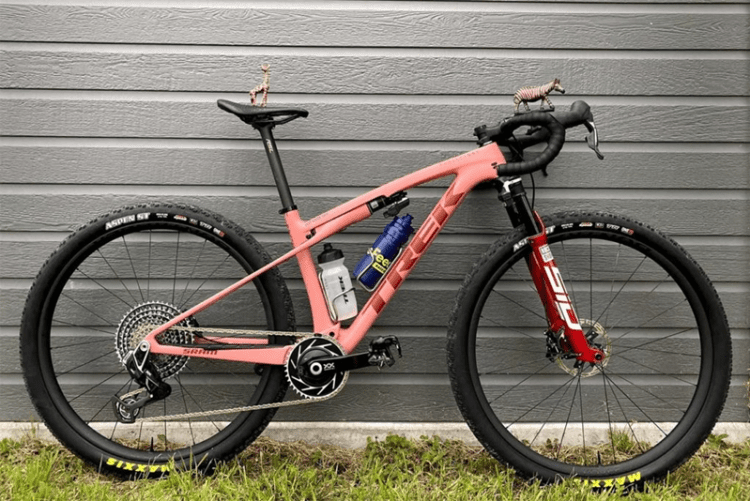
- Haley Smith – Trek Supercaliber
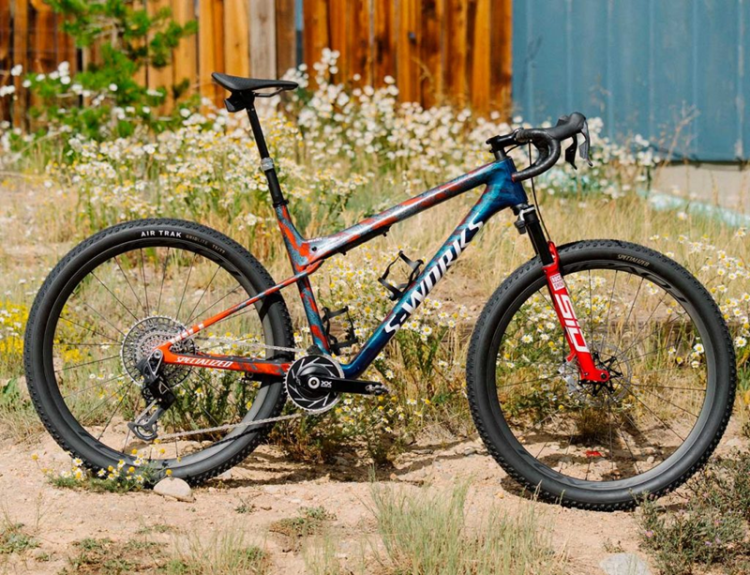
- Matt Beers – S-Works Epic WC
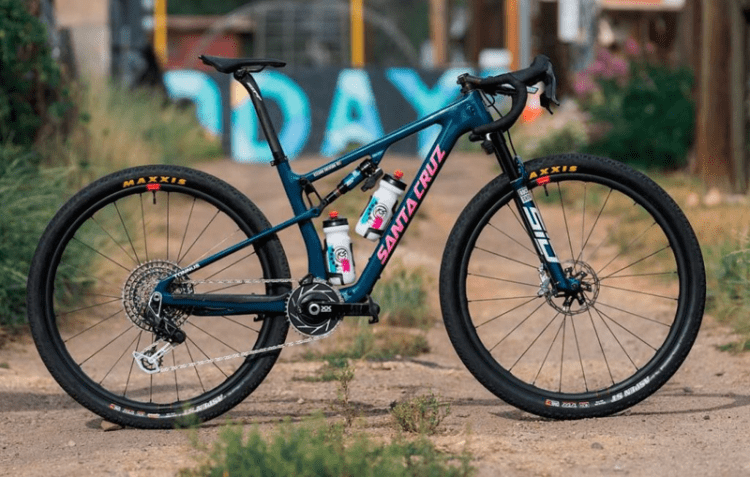
- Keegan Swenson – Santa Cruz Blur
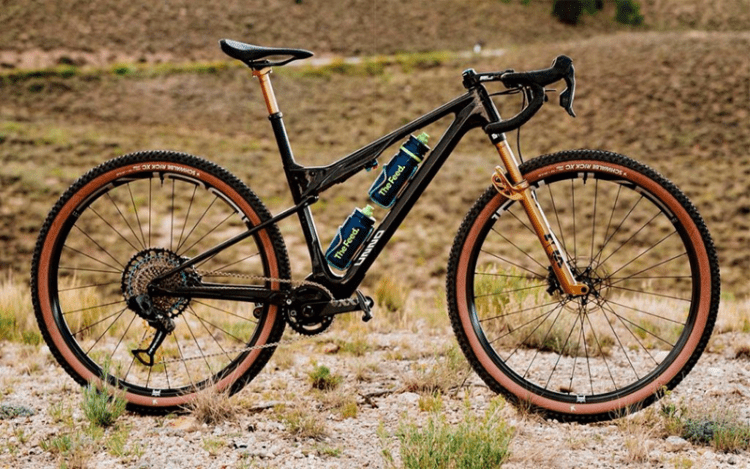
- Dylan Johnson – Unno
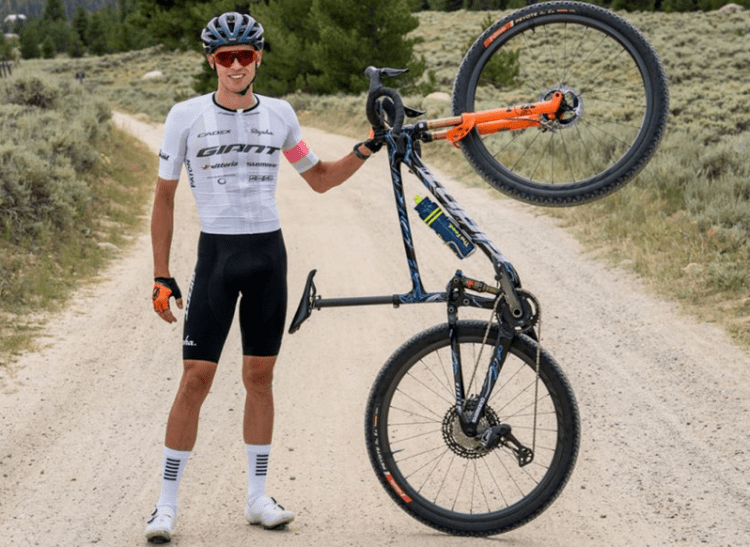
- Cole Paton – Giant Anthem
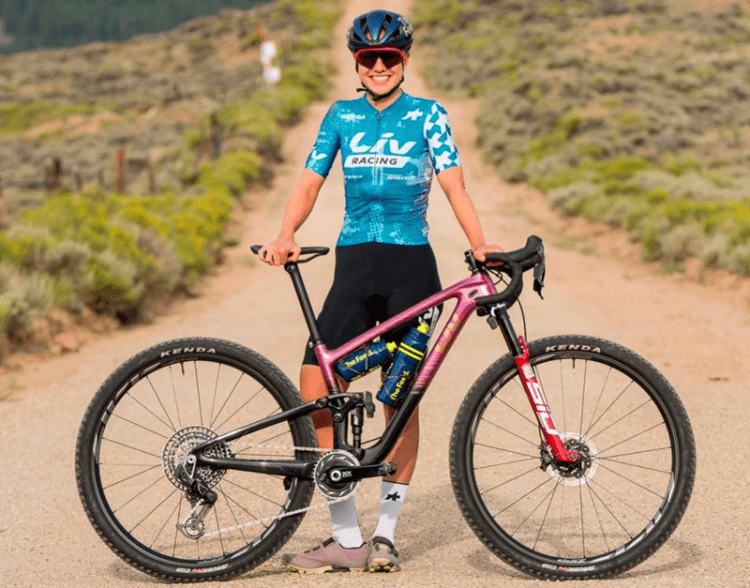
- Melisa Rollins – Liv Pique
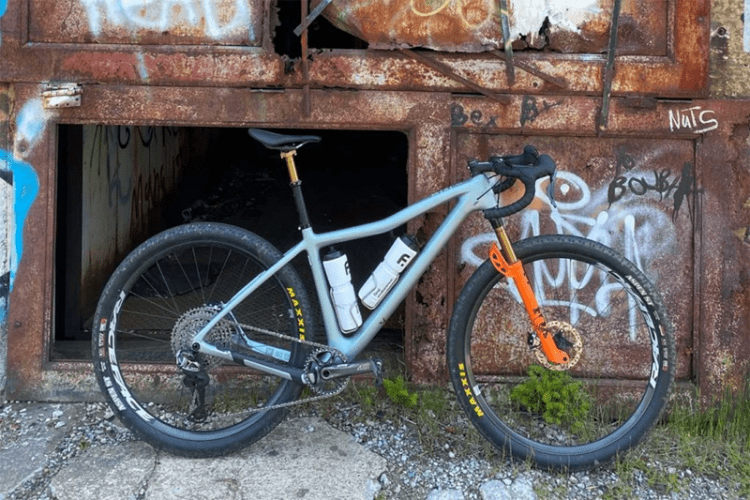
- Andrew L’Esperance – Ibis
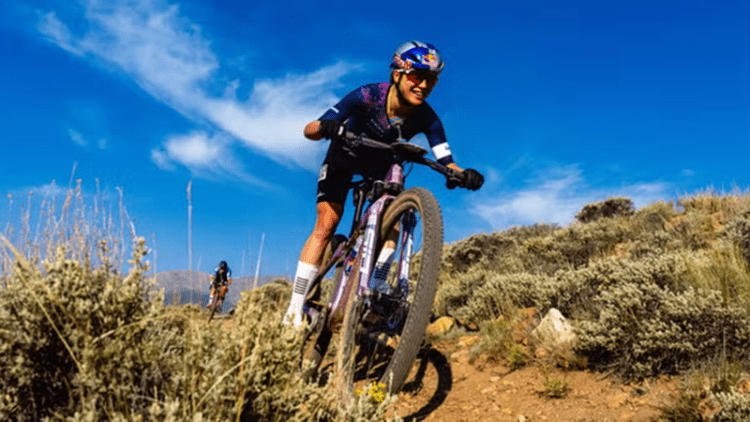
It’s worth noting that Kate Courtney won and set a new course record on a standard flat-bar mountain bike—proof that rider strength and strategy remain paramount.
Ultimately, gravel-inspired MTBs represent a purposeful technical evolution. They offer measurable gains on courses where efficiency and aerodynamics make the difference between victory and fatigue. This is not a passing trend—it’s race-level innovation in action.


