
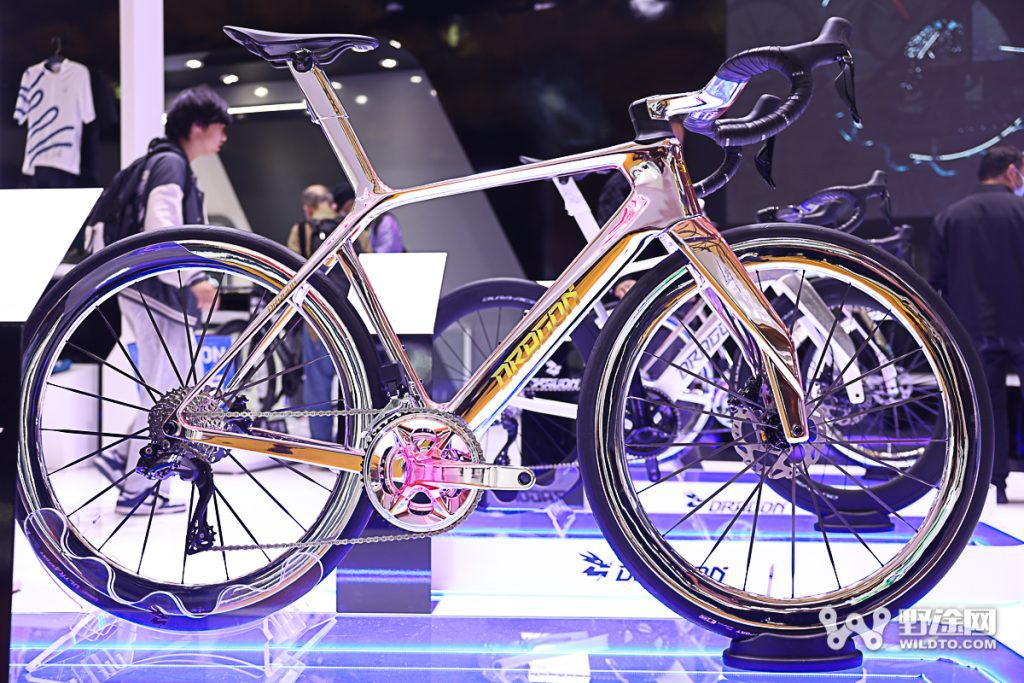

A noticeable trend has emerged in recent years: domestic bicycle brands are aggressively moving into the high-end segment. From XDS’s X-LAB and Phoenix’s FNIX to Zhonglu Group’s acquisition of the British brand FACTOR, Chinese companies are launching premium bicycles. This strategic shift is driven by a combination of market evolution, corporate transformation, and changing consumer behavior.
Rising Cycling Culture and Consumer Upgrading
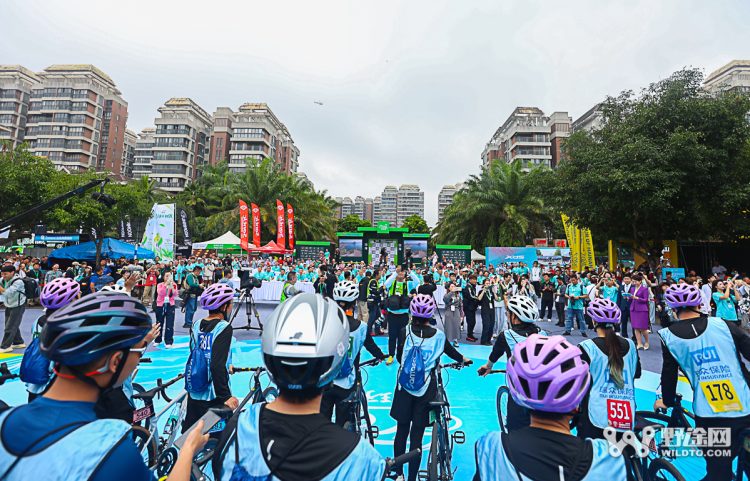
Growing health consciousness has led more people to embrace cycling—particularly road, mountain, and gravel biking—as a green and healthy outdoor activity.
At the same time, cycling has evolved beyond mere transportation. It has become a lifestyle associated with fashion, social connection, and personal challenge. Middle- and high-income consumers are increasingly willing to invest in high-quality riding experiences and equipment.
As cycling enthusiasts improve their skills, demand has grown for bikes with better performance, lighter weight, improved comfort, and advanced technology—fueling expansion in the premium market.
Pursuing Higher Margins and Brand Value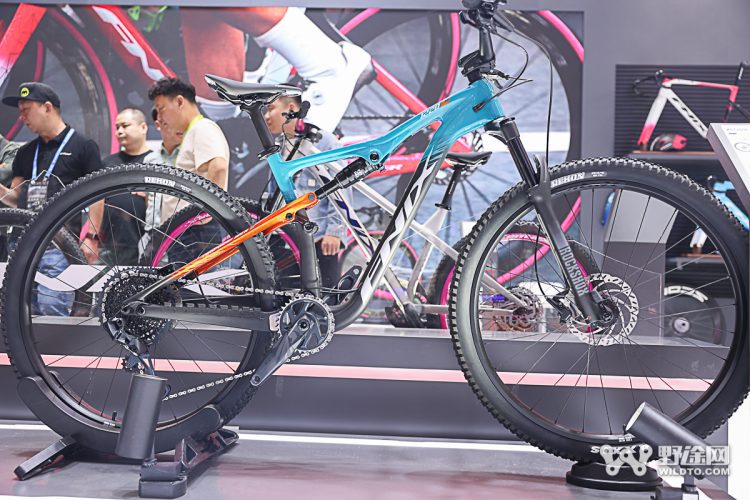
The mass-market and entry-level bicycle segments are intensely competitive, with thinning profit margins. The premium market offers significantly better returns and represents a logical step for brands aiming to improve profitability.
Establishing a successful high-end sub-brand also enhances the parent company’s overall image and industry standing. It helps shed perceptions of being “low-end” or purely manufacturing-focused, while increasing brand premium—similar to strategies seen in the automotive and smartphone industries.
Filling Market Gaps and Challenging Import Brands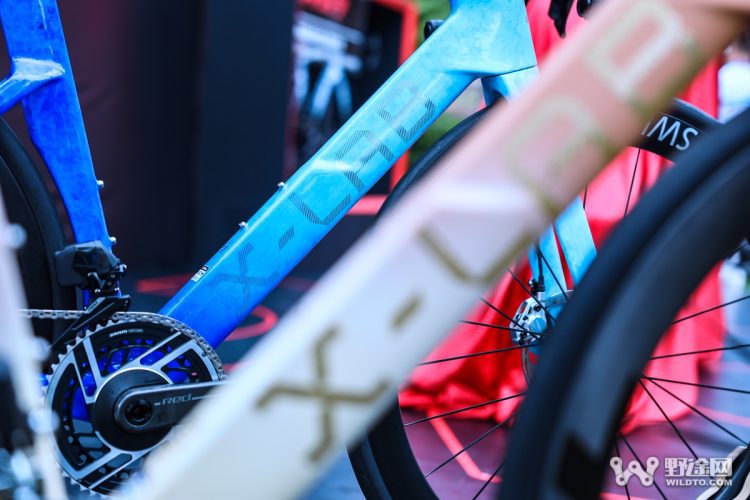
China’s vast cycling population represents huge potential in the premium segment, especially as consumers trade up.
For years, the high-end bicycle market has been dominated by European and American brands such as Specialized, Trek, and Pinarello, often with steep price tags. Domestic brands see an opportunity to capture market share by offering comparable performance and better value.
China’s robust bicycle supply chain—including expertise in carbon frame manufacturing, component sourcing, and rapid R&D—gives local brands a competitive edge in producing high-quality bikes at attractive prices.
Advances in Technology and Manufacturing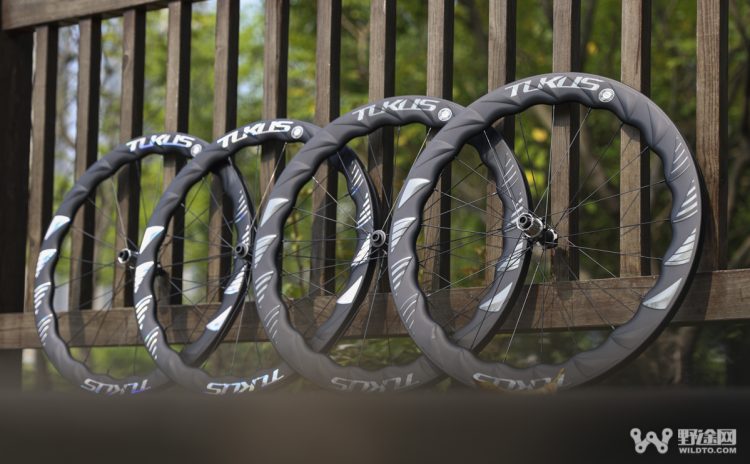
Many Chinese brands and their manufacturing partners have years of experience producing frames and complete bikes for top international brands. This has allowed them to accumulate advanced know-how in areas like carbon fiber technology, quality control, and complex craftsmanship.
Companies are also increasing investment in independent R&D—focusing on aerodynamics, frame geometry, material science, and structural optimization. Some domestic brands have reached international standards in carbon frame design and production.
Building a Differentiated Competitive Position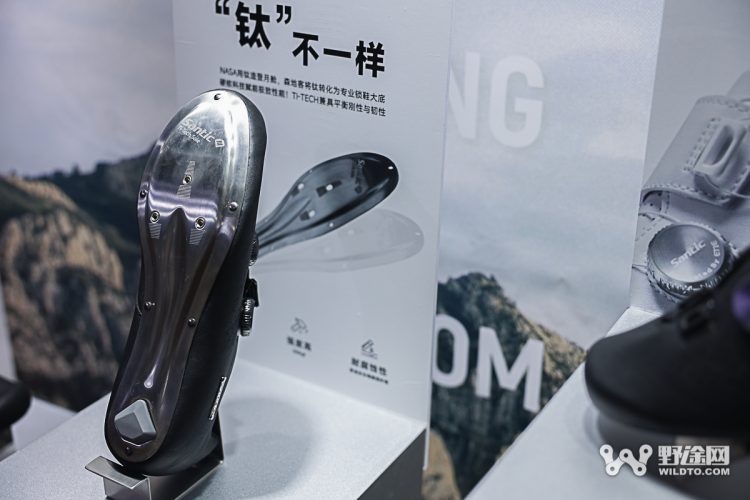
Product homogenization is common in the mid- and low-end markets. By moving upmarket, companies can focus on technological innovation, design aesthetics, and customization to build distinctive brand identity and create competitive barriers.
Policy and Environmental Support
National fitness campaigns and green travel initiatives are gaining government backing. Cities are building more bike lanes and greenways, and cycling events are being organized nationwide—creating a favorable environment for cycling culture to thrive.
Industrial policy also encourages upgrading toward high-end, smart, and sustainable manufacturing.
Challenges on the Road Ahead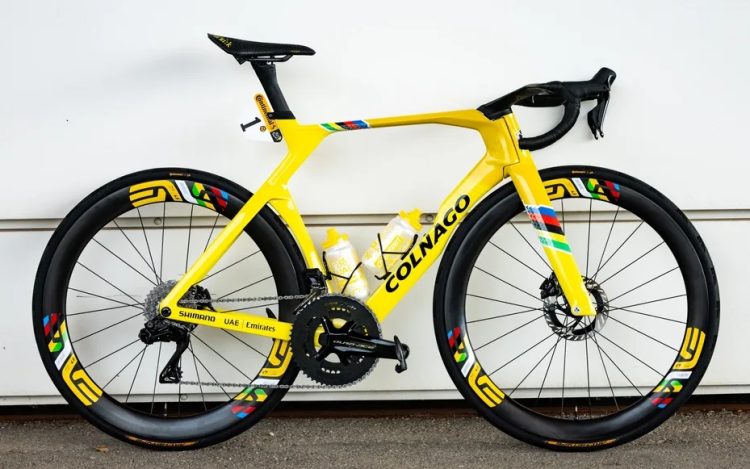
Despite the momentum, Chinese premium brands still face hurdles.
Building brand trust and recognition among seasoned cyclists takes time. International brands have long histories, race pedigrees, and strong emotional appeal that are not easily replicated.
While frame manufacturing has improved, some core technologies—such as top-tier groupsets, high-performance wheels, and advanced suspension systems—still rely on imported components.
Selling high-end bicycles involves more than just the product—it requires professional services such as bike fitting, maintenance, and community building. Establishing a premium retail and service network remains critical.
Finally, the risk of copycat products and low-quality entrants could harm the reputation of all domestic upmarket brands. Industry self-regulation and standards will be essential.
Conclusion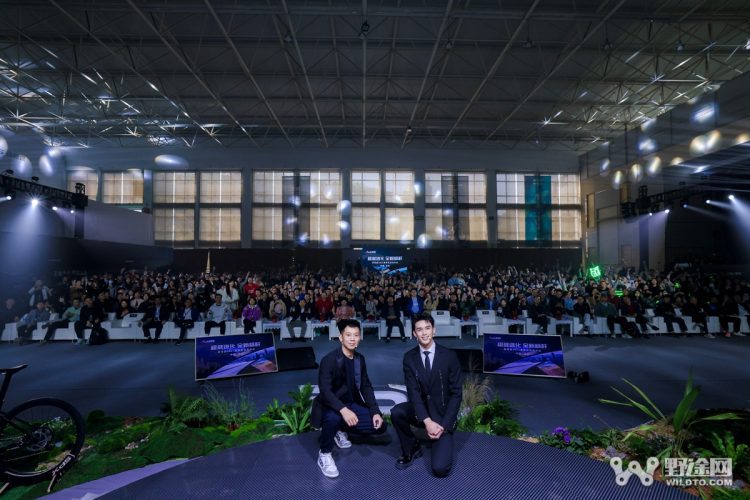
The push by Chinese brands into the premium bicycle segment is the result of converging factors: consumer upgrading, the pursuit of better margins, supply chain advantages, improved technical capabilities, and supportive policies. This marks a positive shift from “Made in China” to “Created in China” and “Branded in China.”
Although challenges remain, continued improvements in product quality, brand development, and shifting consumer attitudes position Chinese high-end bicycle brands to play a larger role in the global market—offering riders more choice and compelling value.


