
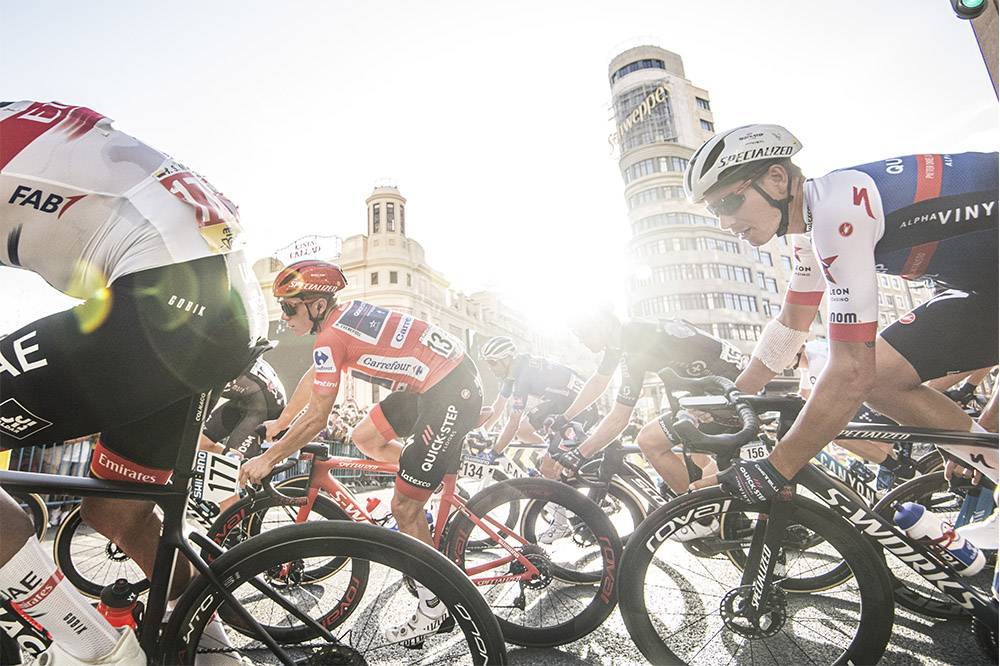

Cycling is a powerful lower-body workout that primarily engages several key muscle groups to generate power and maintain stability. Understanding which muscles are involved and how to train them off the bike is crucial for improving performance and preventing injury.
Primary Muscle Groups for Power
The main engines for pedal stroke are the glutes and quadriceps, which are responsible for the majority of the downward driving force. They are powerfully assisted by the adductor magnus (a major inner thigh muscle) and the soleus (a deep calf muscle). Meanwhile, the hamstrings, other groin muscles, and the gastrocnemius (the larger calf muscle) play vital roles in transferring this power to the pedals.
Contrary to some beliefs, the most efficient pedaling action focuses power on the downstroke. Attempting to actively “pull” up through the bottom of the stroke yields minimal power gains.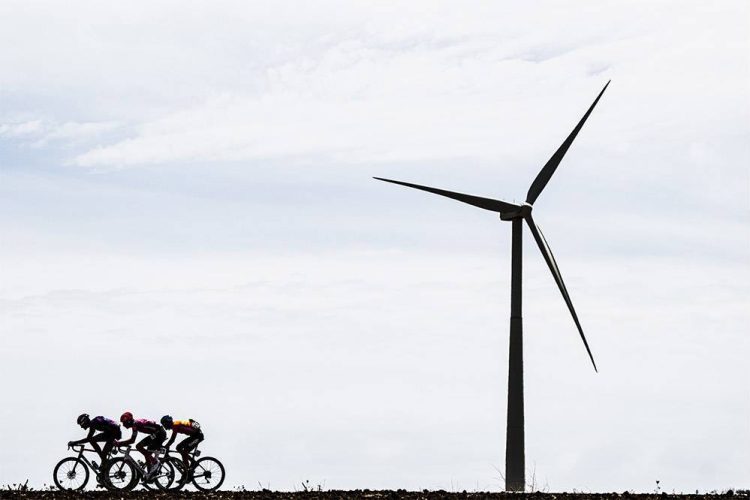
The Supporting Cast: Stability Muscles
Cycling is not just a leg exercise. Your core muscles—in the abdomen and back—are essential for stabilizing the upper body and creating a solid platform to transfer force from your body to the bike. Your arm and shoulder muscles also engage, particularly when climbing out of the saddle or sprinting. A common issue for cyclists, however, is underdeveloped core stability and tight hamstrings due to the repetitive, limited-range motion of pedaling.
Key Off-the-Bike Exercises for Cyclists
To build power and address muscular imbalances, incorporate these strength exercises into your routine.
1. Squats
Squats directly target the glutes, quads, and hamstrings, mimicking the hip and knee extension used in pedaling.
How to: Stand with feet slightly wider than hip-width. Keep your core tight and chest up. Lower your body as if sitting back into a chair, ensuring knees track in line with your toes. Descend until your thighs are at least parallel to the ground. Drive back up through your heels, squeezing your glutes at the top.
2. Single-Leg Deadlifts
This exercise strengthens the hamstrings, glutes, and lower back while correcting strength imbalances between legs.
How to: Hold a dumbbell in each hand. Shift your weight to one foot. With a slight bend in the standing knee, hinge at your hips, lowering your torso while lifting the other leg behind you. Keep your back straight until you feel a stretch in your hamstring. Squeeze your glutes to return to the starting position.
3. Calf Raises
Target the soleus and gastrocnemius to improve power transfer and ankle stability.
How to: Stand near a wall for support. With knees slightly bent, raise your heels off the ground, pushing onto the balls of your feet. Hold for a moment at the top, then lower with control.
Integrating strength and conditioning work is a proven strategy to boost cycling efficiency, increase power output, and reduce the risk of injury, making you a stronger, more resilient rider.


