
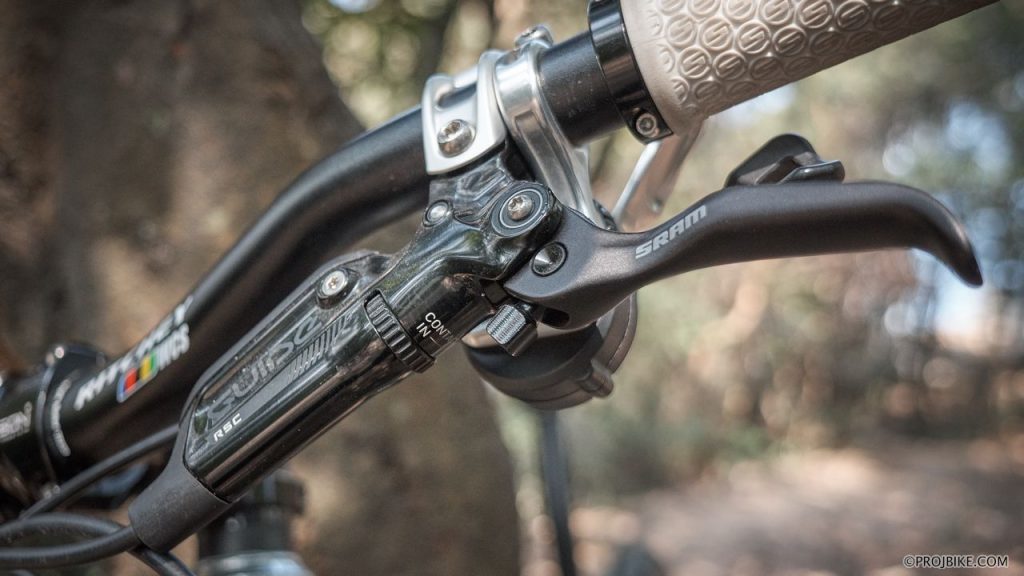

SRAM GUIDE RSC Hydraulic Disc Brakes
Price: $310 (approx)
Weight: 450g (with hose) / Rotor: 150g (180mm)
“After bedding in, the braking power significantly increases. A light pull with your index finger delivers strong, controlled stopping force. The pads engage the rotor instantly—responsive and predictable. The GUIDE RSC offers excellent modulation and a confident feel on the trail.”
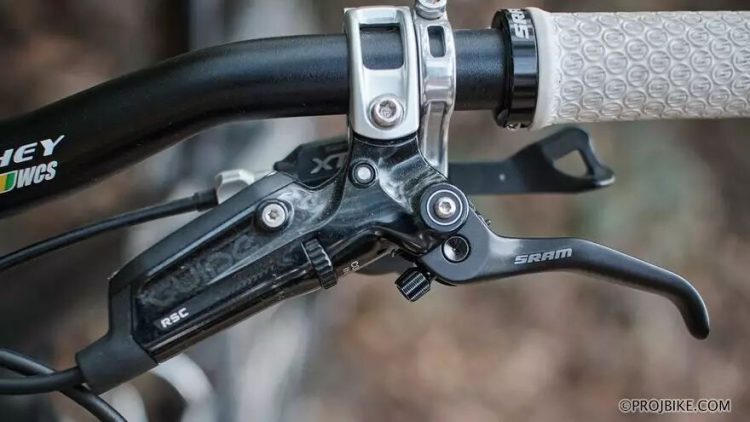
This is the SRAM GUIDE RSC brake. When I first got my hands on it six months ago, it was the top model in the GUIDE lineup. Now, SRAM has released the even higher-end GUIDE Ultimate—making the RSC the second in command. But no matter its rank, what really stands out is how much SRAM has improved with new designs and tech.
The GUIDE RSC feels like a mix of the old Avid Juicy and Code models. Even though SRAM has been moving away from the Avid name, you can still see its influence. SRAM has moved on from the TaperBore technology and one-piece reservoir, returning to a rear-mounted reservoir similar to the Juicy series—but without the leaks that plagued those older models.
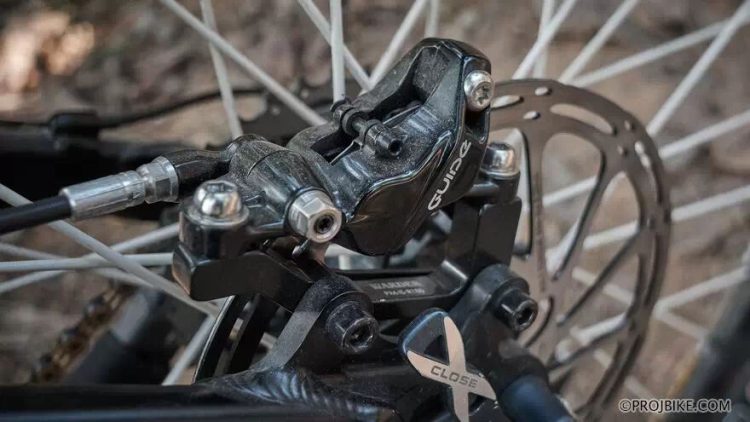
The GUIDE RSC is built for Trail, All-Mountain, and Free Riding—so don’t compare it to featherweight XC brakes. It’s all about power, not ultra-light weight. It uses the same four-piston dual-diameter caliper from the Avid XX1 and X01 Trail models. Essentially, the GUIDE series is all about the new lever.
The caliper uses 16mm and 14mm pistons. The smaller ones engage quickly, and the larger ones deliver more clamping force—combining speed and power. Even with four pistons, the caliper remains compact and light. The whole setup—lever, caliper, and hose—weighs just 450g.
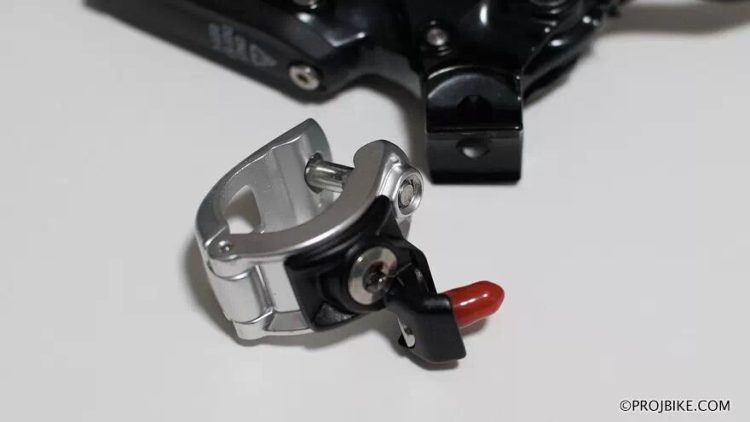
The lever is compatible with MatchMaker X and XLoc mounts. A separate clamp makes installation easy—you can run it with a SRAM shifter or RockShox XLoc controller using just one clamp. The lever is also ambidextrous, so you can set it up left-front/right-rear or vice versa.
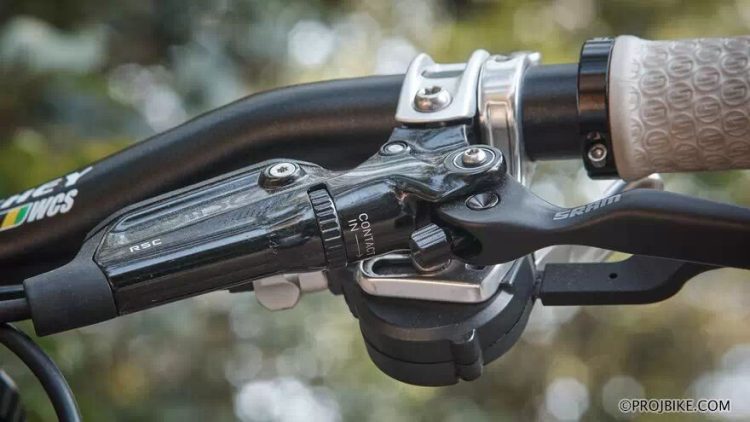
The lever is tool-free adjustable for reach and contact point. It’s a two-finger lever with a shape similar to the Avid Code—and it feels great.
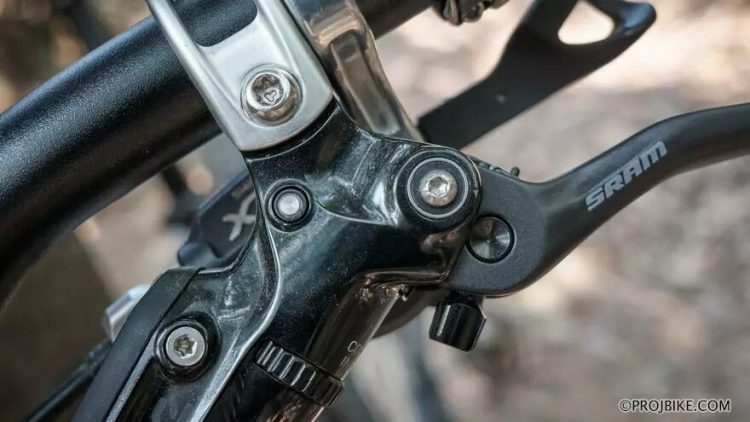
The pivot uses a sealed bearing for smooth, long-lasting action. All hardware is stainless steel, so rust isn’t a concern.

When new, the brakes feel underwhelming. But after a short bedding-in process (about 3km of light braking), they come alive. The bite is strong and immediate, with a natural, progressive feel that’s easy to control.
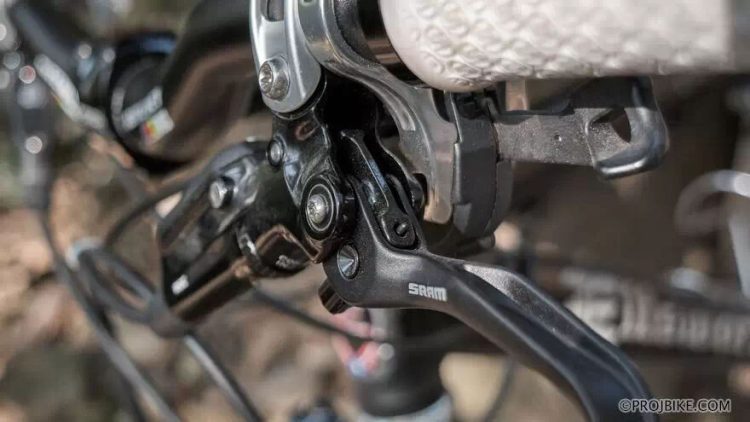
There’s a small amount of free stroke before the pads make contact—similar to steering free-play in a car. Once engaged, braking power builds smoothly. Modulation is excellent; it’s easy to control how much brake you’re using without surprise lock-ups.
The quick engagement is thanks to SRAM’s new SwingLink technology. It uses a cam system to control piston speed and force—delivering fast initial bite followed by strong clamping power. It works similarly to Shimano’s Servo-Wave, but feels more linear and less “on/off.” You can feather the brake easily, much like with V-brakes.
The GUIDE RSC also uses a Timing Port Closure design for better oil control, smoother piston movement, and more consistent performance.

The brakes come with CenterLine rotors, which have a center groove to spread friction evenly, reduce noise, and improve heat dissipation. Under heavy use, they stay quiet and resist fading. The braking sensation is smooth and quiet—like an eraser on glass—with strong resistance but no harsh grinding or noise.
I’ve been a fan of Shimano brakes since their 2010 redesign, but the GUIDE RSC is winning me back to SRAM. It goes head-to-head with Shimano XT. While the XT may have more raw power, the GUIDE RSC offers better modulation and control. Which one is better? It depends on what you prefer: outright stopping force or refined controllability.


