

In the world of cycling, there’s a growing trend that seems to defy basic physics: while longer levers should offer more power, more and more pro riders are switching to shorter cranks. What’s behind the shift? We took a close look at whether shorter crank arms can actually improve performance—and who they’re best for.
Cycling tech evolves fast. Think wide tires and tubeless systems—once rare, now standard. Short cranks are having a similar moment. Top riders like Tadej Pogačar are using them, and plenty of people are wondering: what’s the big deal?

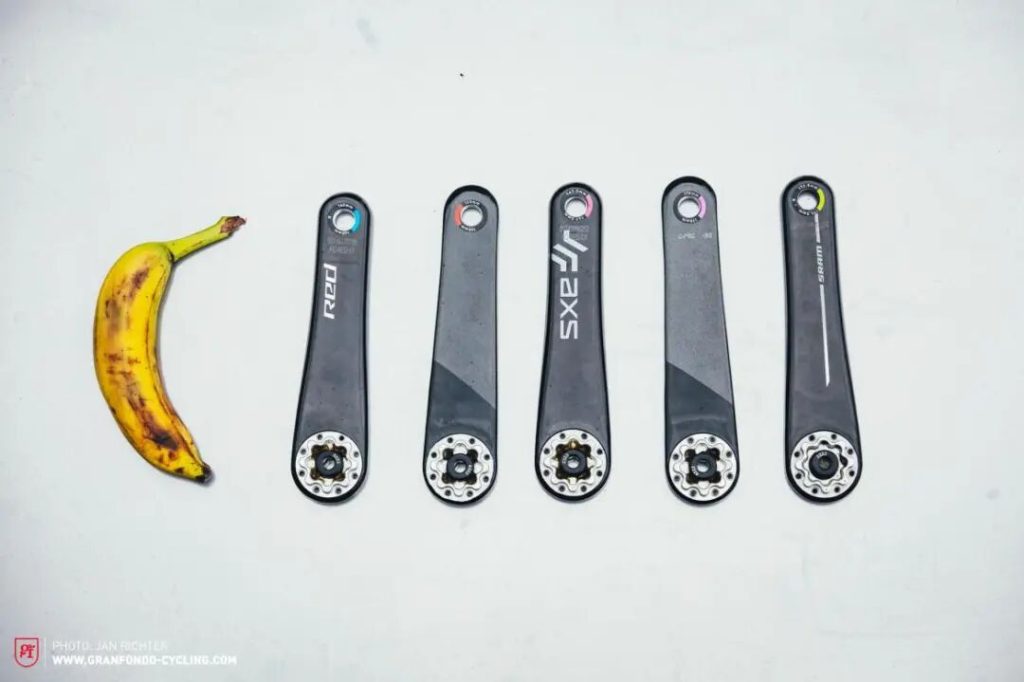
To find out, we tested five different crank lengths between 165mm and 172.5mm over an extended period. Our tester—an experienced cyclist who normally rides 172.5mm cranks on a 56cm bike—wanted to see if shorter cranks could truly enhance riding performance. By the end, he was convinced enough to make the switch.
Aerodynamics play a huge role in cycling. The faster you go, the more air resistance matters. While many parts are designed to cheat the wind, the rider’s body is still the biggest source of drag—and body position makes all the difference.

This is where shorter cranks shine. With less leg travel, your hips open up, allowing a lower, more aero upper-body position—without sacrificing power output. Time trial and triathletes have known this for years. Now road riders are catching on. And it’s not just for racing—a more efficient position also means more comfort on long casual rides.
Many cyclists overlook a simple truth: bodies come in all proportions. Some people have long legs and short torsos, others the opposite. Yet most cranks only come in 170mm, 172.5mm, and 175mm.
Shorter cranks help optimize riding posture. They reduce the knee’s range of motion, encourage a smoother pedal stroke, and lower peak joint load—easing pressure on the knees and hips. Riders who train hard may find short cranks reduce discomfort over time.
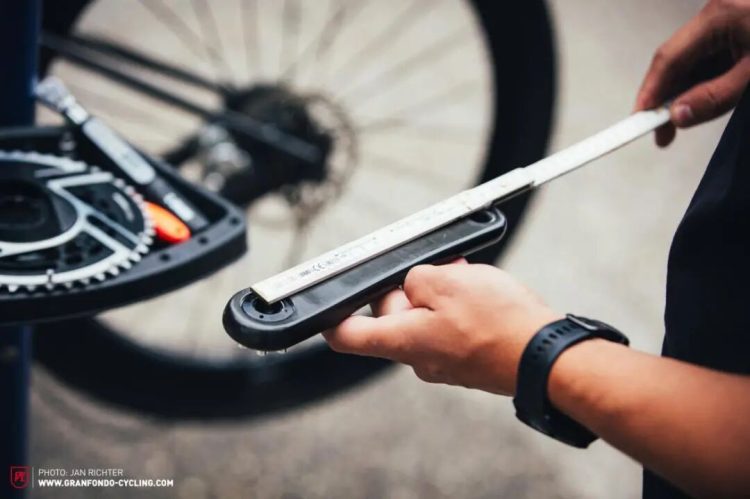
A few millimeters might not sound like much, but in bike fitting, small changes make a big difference—like lowering your saddle just 5mm. Switching to shorter cranks requires a few adjustments:
Saddle Height: Shorter cranks mean your legs don’t extend as far. Raise your saddle by the same amount you shortened the crank.
Saddle Setback: A higher saddle can change your reach. Move the saddle forward slightly to maintain your original position.
Handlebar Height: You can keep your bar height the same for a more aggressive/aero pose, or raise it to match the higher saddle.

We tested 160mm, 165mm, 167.5mm, 170mm, and 172.5mm cranks. Even small length changes affected comfort and aerodynamics. Because the differences are subtle but impactful, we recommend getting a professional bike fit before switching.
Our tester Calvin, who rides 25–30 hours per week, often struggled with knee and lower back pain. He tried 165mm cranks (a Pogačar favorite) and found his cadence smoother and higher. The 160mm felt too short, but 167.5mm turned out to be his sweet spot—offering a natural rhythm, less joint stress, and reduced pain. Unfortunately, not all brands offer intermediate sizes.
So, are short cranks worth it? Yes—but unlike passing trends like oval chainrings, shorter cranks offer real benefits, especially for riders seeking efficiency. That said, if you’re already comfortable with your setup, changing crank length might not be necessary. It can also get expensive if you end up testing multiple lengths. A pro fit session is your best bet.
Right now, most cranks are sold in 5mm increments (165mm, 170mm, 175mm). Ideally, we’d be able to choose crank lengths as freely as frame sizes—but we’re not there yet.

In summary, shorter cranks can benefit both pros and amateurs—boosting performance for some, improving comfort and reducing injury risk for others. If you’re considering a switch, visit a bike fit specialist. Find the length that works best for your body, and get ready for a better ride.


