

Threaded bottom brackets, greater tire clearance, lightweight aero designs – just a few years ago, these were practical features we could only dream of for race bikes.
Today, they are becoming standard. The question now is: “What’s next?”
Here are the key trends we predict will appear on more race bikes in 2026.
1. Frames and Components That Work With the Rider
We expect to see more frames and components developed with a core philosophy of “adapting to the rider.”
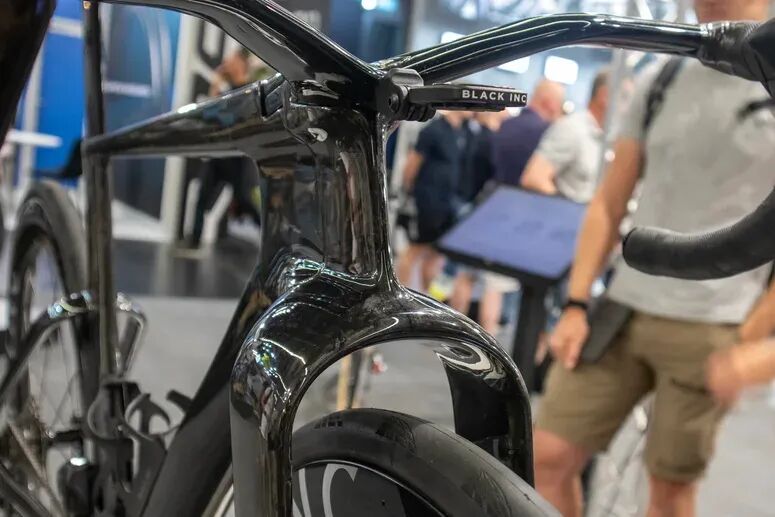
Take Factor’s latest, radically shaped aero bike, or Ribble’s Ultra aero handlebar. These are examples of brands “breaking the mold”; they optimize aerodynamic performance by considering “the rider on the bike” as part of the equation, rather than designing the bicycle in isolation.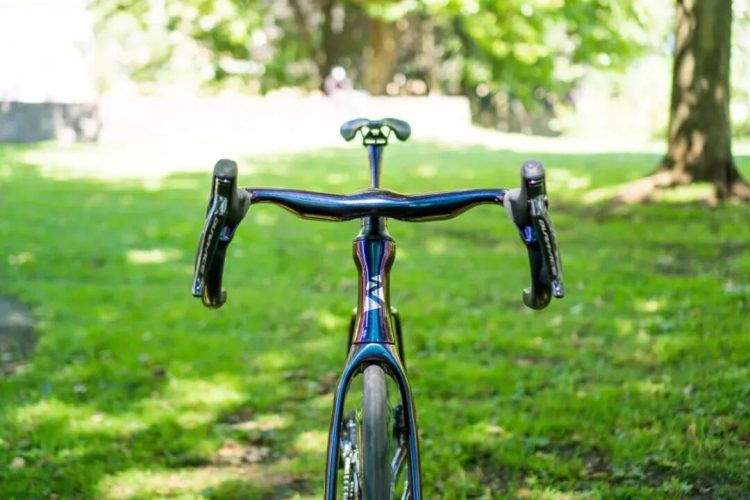
Trek even stated that the handlebar on its new Madone Gen 8, when tested alone, “has more drag than the Gen 7 bar.” However, when tested with “a rider pedaling behind it,” the airflow wake it creates reduces the drag on the rider’s legs, resulting in an “overall faster system.”
Many brands already test bikes with mannequins, which isn’t new. But “breaking the conventional rules and designing the bike and components as a complete system from the ground up” is the next evolutionary step.
2. Taller Stack Heights
We can’t be the only ones who think: “A bike with a fully slammed stem looks cooler.” But for most riders, is that truly the fastest setup?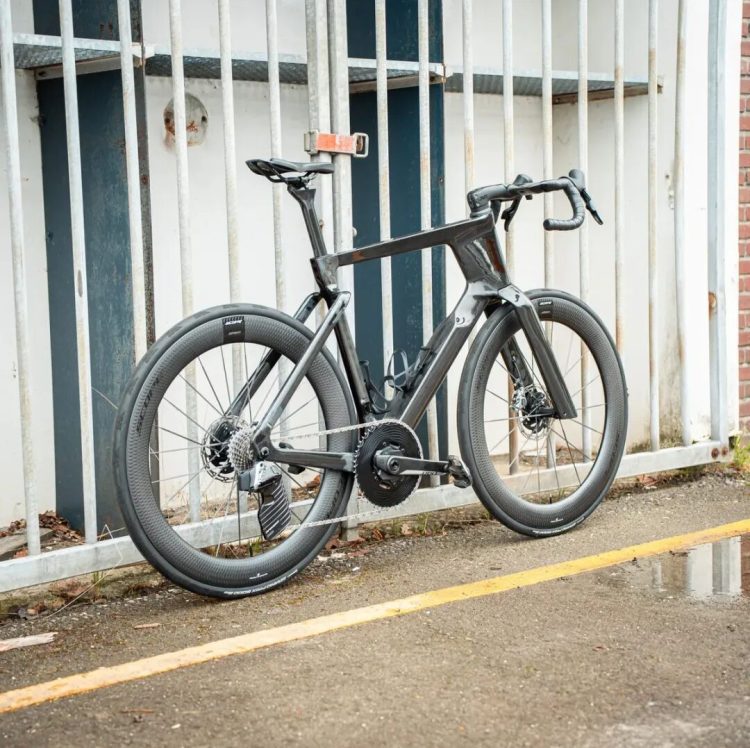
Both pros and amateurs are gradually embracing the idea that “a taller stack might be faster.” Riders are moving away from the traditional slammed stem, instead adding spacers to raise the bars. This allows them to achieve (and, crucially, sustain) a more aerodynamic position: horizontal forearms that reduce the frontal area.
If “a higher front end makes you faster,” will we see manufacturers introduce models with inherently “taller stack heights,” combining aesthetics with speed?
While a full “radical shift in mindset” by 2026 might be premature, examples already exist. Dutch pro and frame designer Arne Peters anticipated this trend, designing his own bike – the Morpheus Reppit. This trendy aero bike features a “taller headtube,” perfectly suited for this more modern riding position philosophy.
Will mainstream brands adopt this new thinking? Or will riders continue to rely on “stacking spacers”?
3. Speed-Optimized, Integrated Accessories
Brands invest thousands of hours and dollars designing bikes to be as slippery as possible, only for consumers to add bags, lights, and other accessories that disrupt the carefully tuned aero profile.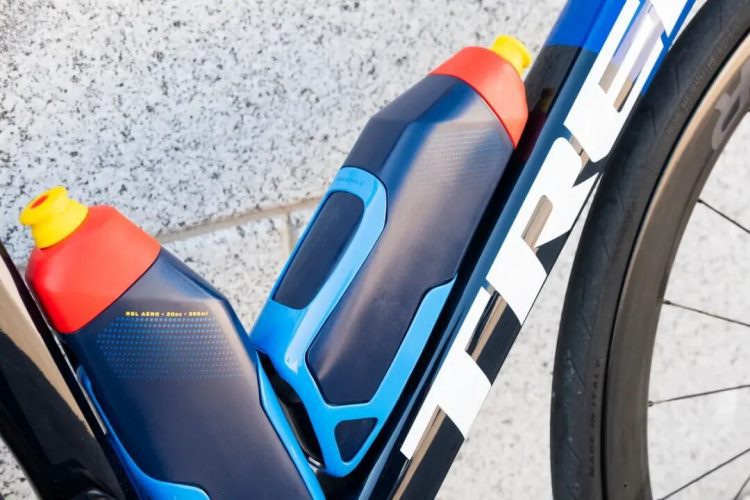
While more race bikes now come with “integrated accessories” to preserve aerodynamics, we believe this trend will expand significantly.
Examples include: the Scott Foil’s cleverly integrated taillight in the seatpost; BMC’s Aerocore bottle cages that manage airflow between the down tube and bottle; and Trek Madone’s “TT-style proprietary bottle” – co-designed with the frame to save 1.8 watts at 35 km/h compared to a round bottle. These are excellent cases of “utility meeting the need for speed.”
Furthermore, “frame-integrated storage” has gained popularity on endurance and gravel bikes. The Factor Monza race bike is a pioneer in bringing “frame storage to an aero-optimized platform.”
This design means “no need for a saddle bag,” preserving the clean aero lines while carrying essentials. We doubt it will be the last “race bike with frame storage” we’ll see.
4. Easier-to-Maintain Internal Routing
Fully internal cable and hose routing is an irreversible trend. With the latest Giant TCR finally routing brake hoses through the headset, few race bikes now have exposed hoses. Even new endurance and gravel bikes rarely feature external routing, and mountain bikes with internal routing are now arriving.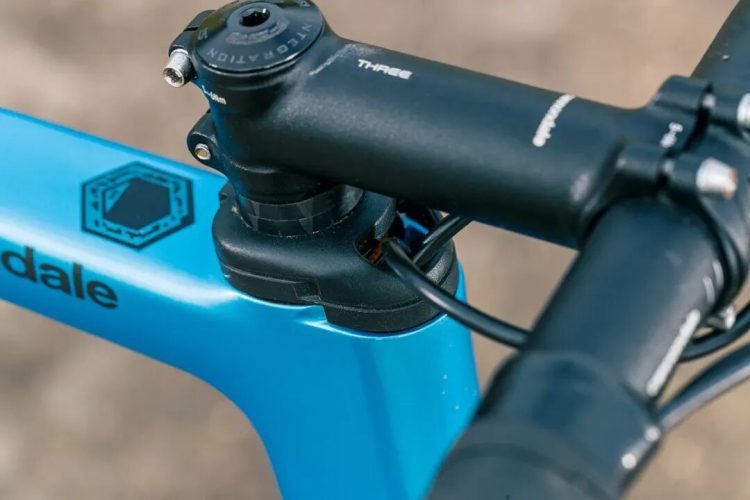
While internal routing improves aerodynamics, it can turn simple maintenance tasks like “replacing headset bearings” into a more time-consuming and costly afternoon job, often requiring re-taping bar wrap and sometimes new hoses.
The clean look and aero gains are real, but is it worth the hassle?
Internal routing has been around long enough that brands must be close to “finding a better solution” – one that allows easy headset bearing maintenance and saves riders money long-term.
The previous-generation Cannondale SuperSix EVO offered an inspired approach: a groove in the frame ahead of the headtube allowed hoses to run internally without passing through the headset bearings – though it required a specific steerer stop and a bulkier front-end.
In contrast, the latest Cervélo S5 and Colnago Y1Rs represent a “compromise”: the front brake hose routes through the front of a “cassette-style fork,” not the headset bearings. But it’s time for someone to “solve this completely.”
The oversized head tube on the Specialized Tarmac SL8 (“Speed Sniffer”), for instance, has internal space that could be designed as a “channel for brake hoses,” avoiding the headset bearings entirely.
The ideal future is achievable: internal routing’s integration benefits combined with an easily serviceable headset.
5. Frames Optimized for 1x Drivetrains
The “1x drivetrain” is a polarizing topic. But its success with pro teams like Visma-Lease a Bike proves it has a “place on race bikes.”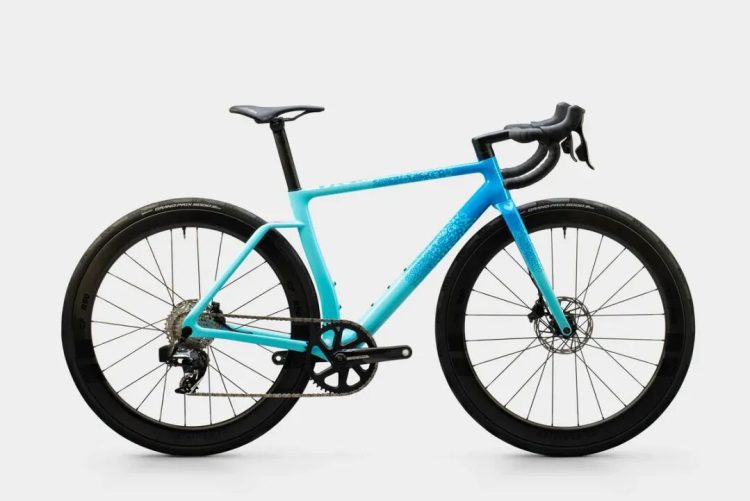
The 1x system offers inherent aero advantages, and a “frame specifically designed for 1x” can amplify this benefit.
While the latest Cervélo S5 offers a “1×13 SRAM Red AXS XPLR” build option, its frame is identical to the 2x version, not optimized for 1x.
With the advent of 13-speed groupsets and technologies like Classified’s internal gear hub, the practicality of 1x systems is higher than ever.
The 3T Strada, once notable for being “designed around 1x,” was ahead of its time, limited by the gearing technology then available.
UK brand Vielo now focuses solely on “frames designed specifically for 1x drivetrains,” claiming they offer “higher aero efficiency, increased lateral stiffness, and cleaner lines.”
Drivetrain technology has leapfrogged in just the past few years. It’s time for a major frame manufacturer to launch a “frame truly optimized for a 1x drivetrain.”


