


The physiological adaptations brought on by hypertrophy training and aerobic endurance training are, at their core, in conflict. Therefore, if you consistently do both types of training over the long term, the resulting strength gains will be lower than if you focused solely on strength work, and your endurance will be less than if you only trained for endurance. This is an unavoidable compromise. However, if you conclude from this that strength athletes should therefore avoid endurance training, or that endurance athletes should absolutely avoid strength training, you would be mistaken.
Before diving into a lengthy read, consider a simple example:
Take Robert Forstemann, a German track sprinter. Sprint events like the match sprint, keirin, and team sprint range from 200 to 750 meters, often lasting less than ten seconds. Yet, in one video, Forstemann sustains a power output of 700 watts for a full minute. When divided by his weight, that’s 7.37 W/kg – a figure higher than most amateur cyclists. In other words, his endurance is better than yours!
This same Robert Forstemann can cover a flying 200-meter time trial in 9.654 seconds, averaging 74.58 km/h. Videos of his squatting are equally impressive: he can perform 72 reps with a barbell equal to his body weight in under five minutes, with a one-rep max of 260 kg – over 2.5 times his body weight. So, the same athlete possesses greater strength and better endurance than the average cyclist. This leads to a hypothetical question: if you wanted to surpass his performance, would you need to train for strength? For endurance?
The answer, quite obviously, is both.
If that example doesn’t convince you – perhaps you think sustaining effort for under a minute is power, not endurance – then consider the other end of the spectrum. At the end of 2015, two-time Tour de France champion Chris Froome released physiological test data showing his anaerobic threshold power was 419W. Divided by his weight, that equals 6.3 W/kg. According to data compiled by Andy Coggan, author of “Training and Racing With a Power Meter,” the average for amateur cyclists is about 3.82 W/kg.
Power is the product of force and velocity. So, if you and Froome were both pedaling at the same cadence during an FTP effort, the ratio of 6.3 to 3.82 (1.65) means Froome was turning a gear more than 1.6 times heavier than yours. If you don’t build your leg strength, how can you become a top endurance cyclist?
Do you still believe endurance athletes are weak?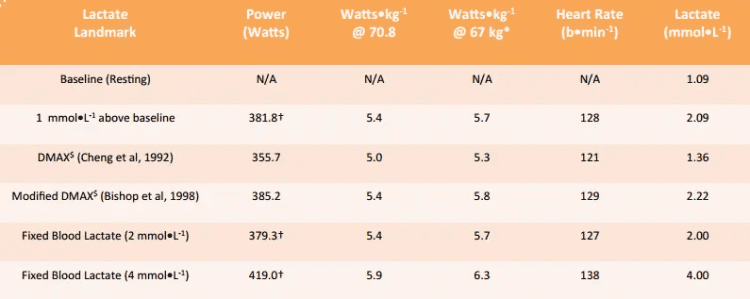
The Science of Concurrent Training
Simultaneously training for endurance and strength in the same period is known as concurrent training. Search this term in any academic journal database, and you’ll find support and skepticism split roughly 50/50. Even review studies hesitate to give a definitive answer favoring one side over the other.
So, under what circumstances can you do both, and when should you avoid it?
Part of the answer comes from a 1995 study involving professional soldiers. The subjects were similar in age, fitness, and build, followed a strict regimen, and were highly disciplined, ensuring full compliance with the demanding protocol.
Participants were divided into four groups: endurance, full-body strength, full-body strength + endurance, and upper-body strength + endurance. They trained four days per week with intense sessions: endurance work included 40-minute distance runs and high-intensity 200-800m intervals; strength training involved 10-25RM hypertrophy work and 5RM max strength sessions. Crucially, the concurrent training groups performed endurance sessions in the morning and strength sessions in the afternoon – with no rest in between.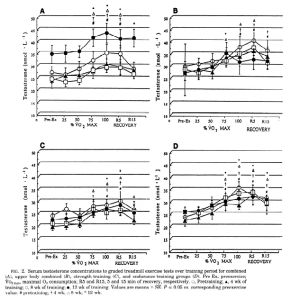
After three months, only one participant dropped out. The results? Unsurprisingly, running improved endurance, and lifting improved strength. But the groups that did both saw improvements in both areas, nearly matching the gains of the specialized groups (only slightly lagging in Wingate anaerobic capacity). Note these were already fit individuals (average VO2max = 51–58 ml/kg/min), not beginners who improve with any stimulus.
The key finding was that combining high-intensity endurance training with high-intensity strength training produced the highest testosterone response – a reaction not seen in the other groups.
Testosterone is a crucial anabolic hormone that drives muscle growth and strength. The combination of both training types created an interactive effect, where the combined stimulus yielded a unique, potent result – more than just the sum of its parts.
Reviewing the broader research, a pattern emerges: studies showing limited effects from concurrent training often schedule both sessions close together, with only minutes of rest. Those showing positive results often separate the sessions by several hours or schedule them on alternate days.
Why this trend? While not widely stated, the acute effects of a training load begin within minutes, triggering gene transcription related to adaptation. If this process settles within three to four hours, then spacing sessions five hours apart (like 8 AM and 1 PM) may minimize interference.
The Takeaway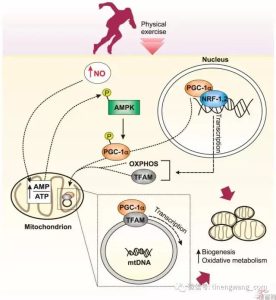
Strength and endurance are not mutually exclusive. Think of them as complementary weapons for an athlete’s arsenal – both should be refined for peak performance. For cyclists, this means incorporating structured strength work alongside your endurance training, strategically spaced to maximize adaptation. Don’t choose one over the other; harness both.


