
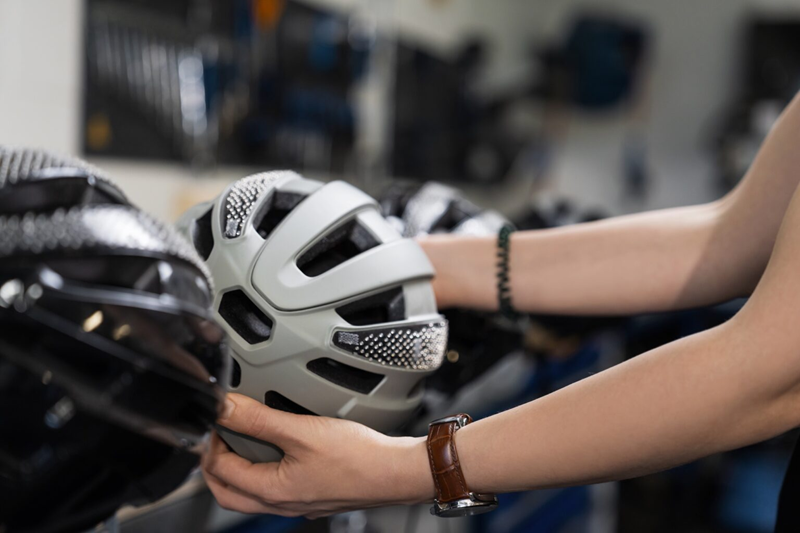

A new rotational impact protection system named RLS, or Release Layer System, has made a striking debut—claiming the top two spots in the latest Virginia Tech Helmet Ratings. Designed to reduce rotational forces transmitted to the brain during a crash, RLS introduces a novel approach to helmet safety.
How RLS Works
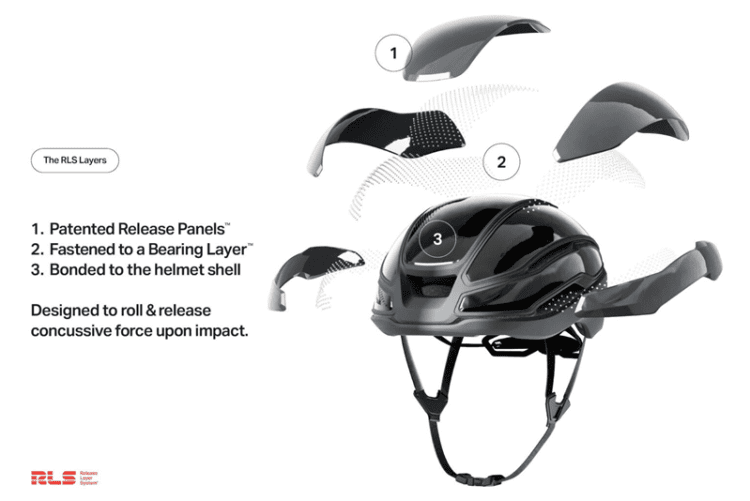
Unlike existing systems such as MIPS, RLS incorporates external panels connected to the helmet via a layer of small polycarbonate bearings. Upon impact, these bearings are designed to roll in any direction, allowing the panel to release and divert rotational energy away from the head.
The process occurs in three stages:
Reaction: A specialized adhesive layer responds instantly to impact, releasing its grip.
Rolling: The panel moves freely over the bearings, redirecting rotational force.
Release: The panel detaches entirely, dissipating additional energy and enhancing protection.
Proven Performance
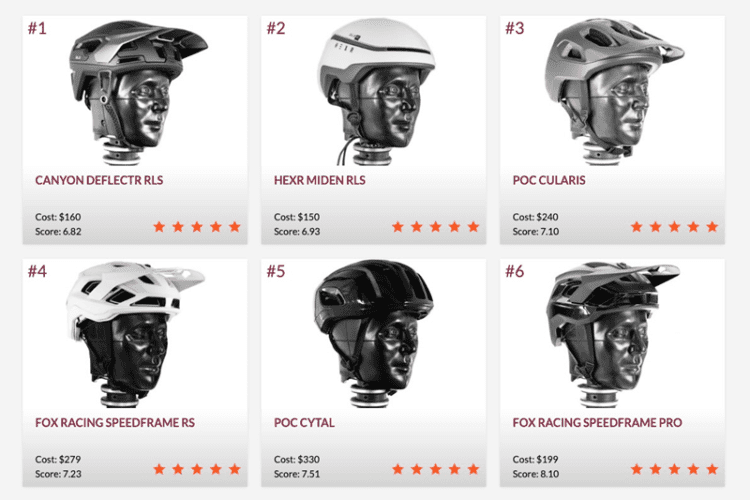
The effectiveness of RLS is already backed by independent testing. The Canyon Deflectr RLS, the first model to feature the system, scored the lowest (best) rating of 6.82 in Virginia Tech’s evaluation, earning the number one rank among 281 helmets tested. Close behind is the HEXR Miden RLS, also equipped with the technology, securing the second spot with a score of 6.93.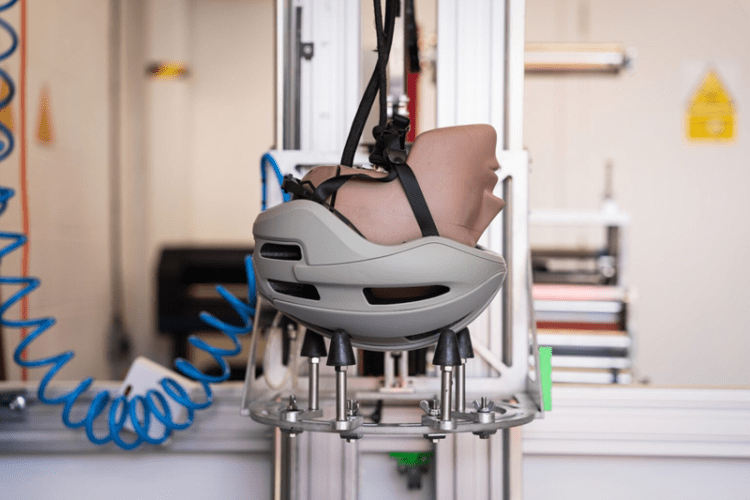
These results signal a meaningful advance in helmet safety, particularly as Virginia Tech’s testing protocol has grown more rigorous over time.
Availability
The Canyon Deflectr RLS mountain bike helmet and the HEXR Miden RLS are both expected to launch in the coming months, with the latter slated for an October release. More partnerships with leading helmet brands are anticipated to be announced soon.
RLS represents a significant step forward in head protection—proving that innovation, when grounded in solid science and independent validation, can deliver tangible gains in safety.


