
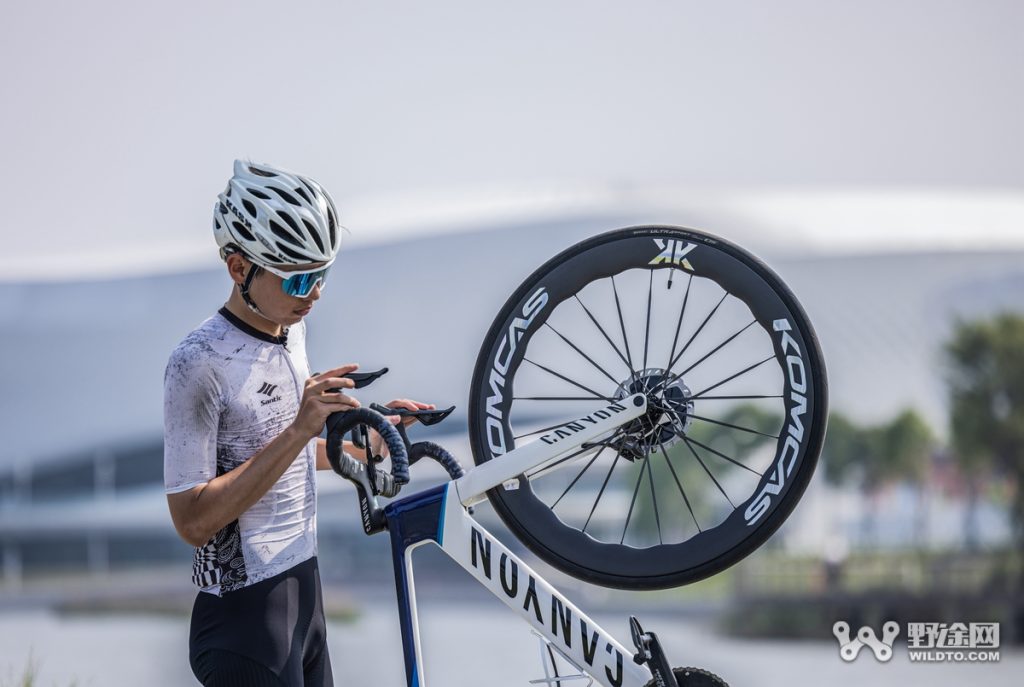

Cycling has grown tremendously in popularity worldwide, transforming from simple transportation into a beloved form of exercise and adventure. To ensure every ride is safe and enjoyable, proper preparation is key. Avoid these common mistakes before you head out to make the most of your time on the bike.
1. Skip Heavy, Hard-to-Digest Foods
Before riding, fuel up with easily digestible foods. High-fat and high-fiber options—like salads, non-starchy vegetables, or greasy snacks—take longer to break down and can sit heavily in your stomach. These foods won’t convert into usable energy quickly, leaving you sluggish on the bike. Instead, reach for light carbohydrates or a small portion of protein about an hour before you ride. A banana, oatmeal, or a energy bar are all great choices.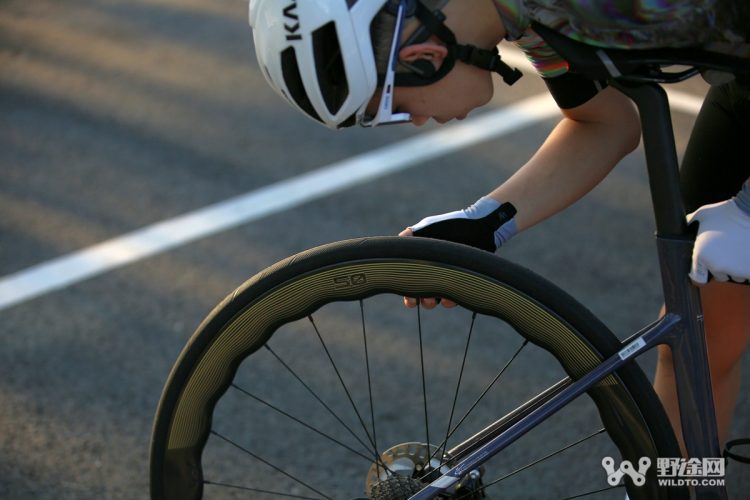
2. Don’t Overhydrate
While staying hydrated is essential, drinking too much water right before a ride can backfire. Chugging multiple bottles may cause bloating, stomach discomfort, and frequent bathroom breaks. In rare cases, excessive water intake can even lead to low blood sodium levels, causing dizziness or nausea. A better approach: drink about 16 ounces (450ml) of water steadily, 1–2 hours before you ride. Once you’re rolling, take small sips every 10–20 minutes to maintain hydration.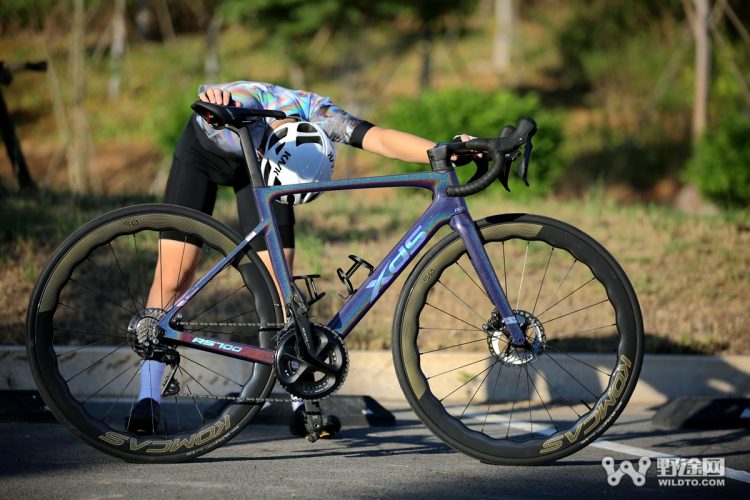
3. Always Check Your Bike
There’s nothing worse than discovering a mechanical issue miles from home. Before each ride, do a quick safety check:
- Inspect tires for wear and proper pressure
- Test your brakes for responsiveness
- Ensure shifting is smooth
- Confirm that clipless cleats are secure
If you’re planning a long ride or bike tour, check your bike a few days in advance. That way, you’ll have time to visit your local bike shop if anything needs repair.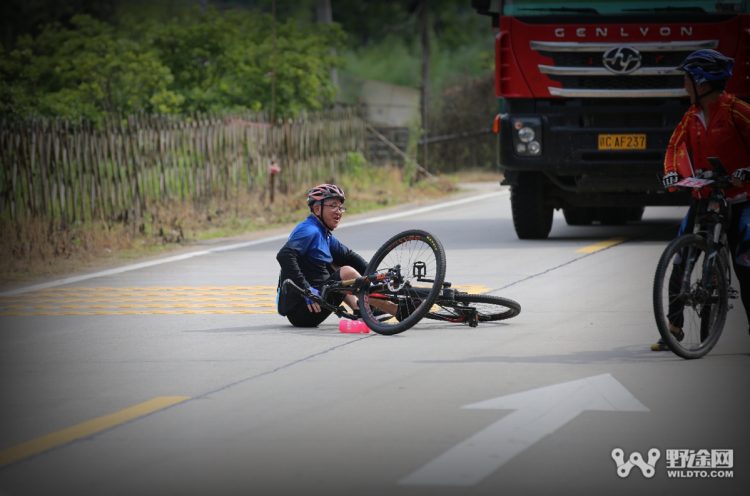
4. Avoid Static Stretching
While flexibility is important, static stretching before your muscles are warm can reduce performance and increase injury risk. Research shows that holding long stretches before activity may temporarily weaken muscles. Instead, start with a gentle 10-minute warm-up at an easy pace to get the blood flowing. Save static stretching for after your ride, when your muscles are warm and more receptive.
5. Share Your Ride Plan
Always let someone know where you’re going and how long you expect to be out. If you get lost, have a mechanical, or suffer an injury, someone will know your route and estimated return time. It’s a simple habit that can make a big difference in case of an emergency.
A well-planned start leads to a better ride. Fuel smartly, check your gear, and ride confidently—knowing you’ve taken the right steps toward a safe and enjoyable cycling experience.


