
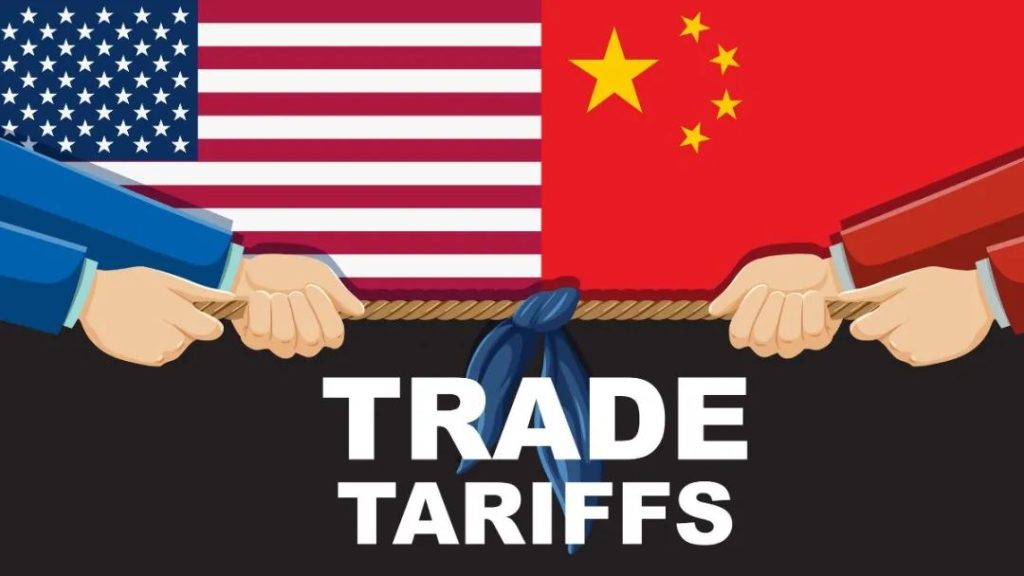

Latest U.S.-China Trade Tariffs
On August 11, President Trump allowed for another 90-day negotiation period between the United States and China to reach an agreement on trade terms. The latest U.S.-China trade terms stipulate that tariffs will be reduced from 145% to 30% before November 8. Subsequently, China’s reciprocal tariffs on U.S. goods have also been maintained at 10%, down from the initial 125%.
Companies Adapt to Shifting Tariff Landscape
In the short term, many companies report frustration with the lack of market certainty. Changing tariff policies make them hesitant to make significant long-term strategic decisions. Nonetheless, some brands are striving to remain agile.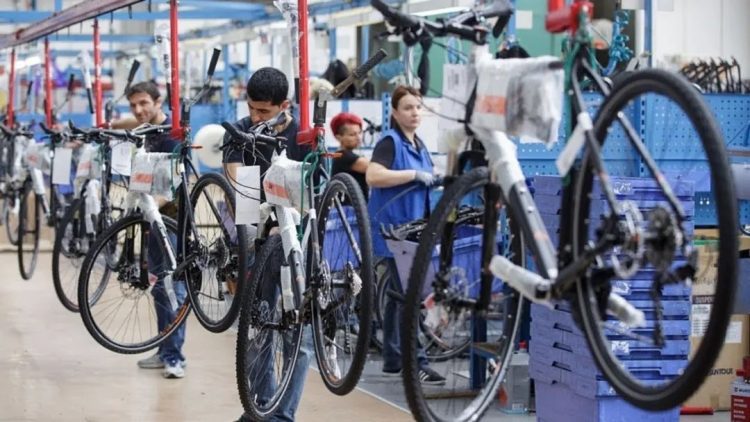
German tire manufacturer Schwalbe is attempting to mitigate the impact by filling its North American warehouses with bicycle components before the new tariffs take effect.
Giant has completely abandoned the idea of manufacturing in the United States, citing high production costs and a lack of reliable supply chains. The group will continue its operations in Vietnam and other hubs. Factories originally intended for the U.S. market will now shift production to meet demand for European sales.
Select Asian Regions Face Higher Tariff Burden
On July 31, the U.S. announced new reciprocal tariff rates on imports from Cambodia, Vietnam, and Taiwan via an executive order: Cambodia (19%), Vietnam (20%), Taiwan (20%). These tariffs are “additional” on top of existing base rates. For example, the base tariff for bicycles imported from Vietnam is 11%, making the total tariff 31% (20% + 11%).
New Trade Arrangements with Japan and the EU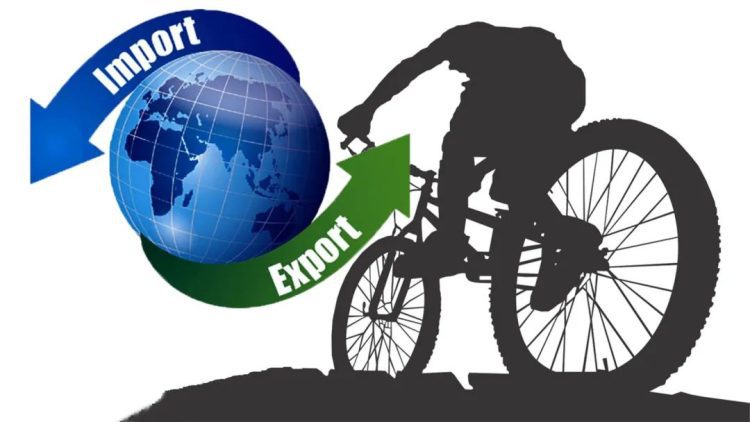
Following negotiations in late July, Japan and the European Union reached framework trade agreements with the United States, establishing a 15% base tariff on all imported goods.
Tariffs on bicycles from Europe or Japan see a slight increase from 11% to 15%.
Previously duty-free categories like e-bikes face a significant jump from 0% to 15%.
Bicycle components with base tariffs between 0% and 10% will also rise to 15%.
U.S. Aims to Reshore Production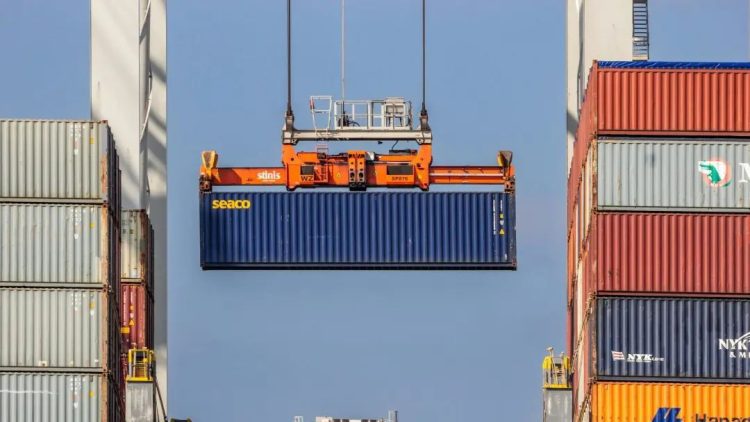
A bill proposing tariff relief for domestic U.S. bicycle manufacturers is currently under review by the U.S. government. Under the proposed American Bicycle Production and Assembly Act, tariffs on components for bicycles assembled in the United States would be eliminated. The goal is to support domestic manufacturers, provide jobs, and make domestic assembly more feasible.


