
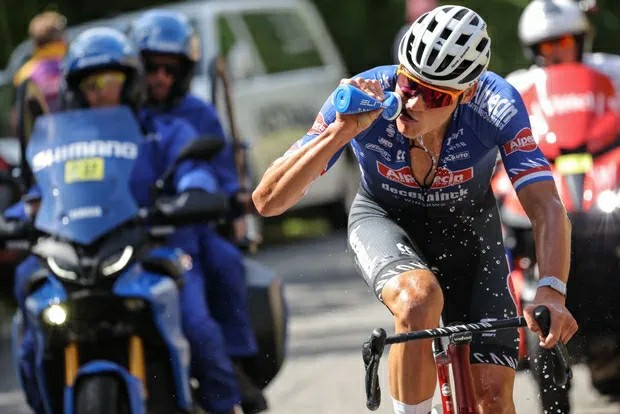

Scientific hydration during cycling is crucial, whether you’re riding in hot or cold conditions. Even mild dehydration—as little as 1% body weight loss—can impair performance, while overhydration carries its own risks. Striking the right balance is key for every cyclist.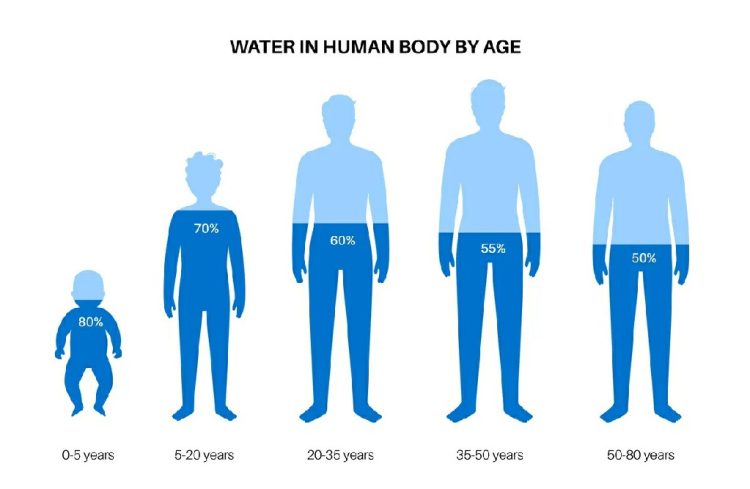
1. Why Hydration Matters
The average adult male body is about 60% water, while the average female is about 55%, largely due to differences in body composition—muscle holds more water than fat. Endurance athletes like cyclists often have higher water reserves.
Water is fundamental to homeostasis—the body’s process of maintaining stable internal conditions. Without sufficient water, basic functions like waste removal and temperature regulation break down. As one nutrition lecturer explains, think of your body’s water like a bank account: “We are constantly losing water through breathing and sweating, and we replenish it by drinking and eating.”
Water regulates cell pressure, electrolyte balance, and body temperature. Dehydration hinders the kidneys’ ability to filter waste and suppresses sweat production, increasing the risk of heat illness.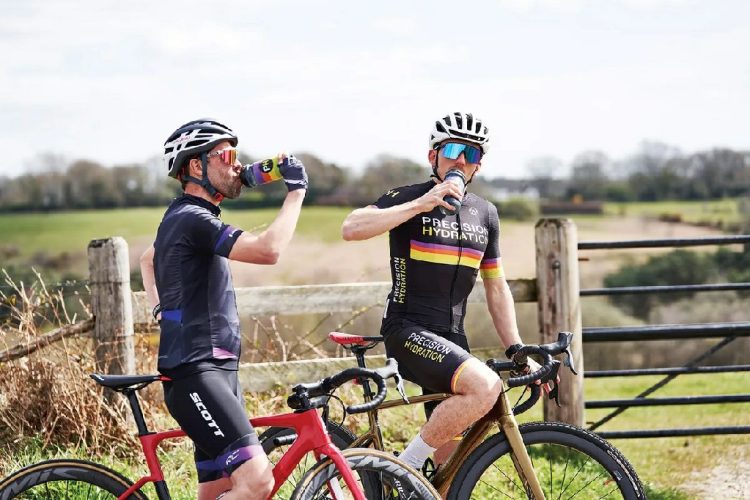
2. How Dehydration Affects Cyclists
Top cyclists treat hydration as a critical part of their strategy. Losing just 2% of your body weight in fluids can noticeably decrease performance.
For a 70 kg cyclist, that means avoiding a loss of more than 1.4 kg during a ride. Note that some weight loss comes from glycogen depletion (each gram of glycogen binds 3-4 grams of water), so fluid loss might be higher than the scale suggests.
Dehydration impacts performance in three key ways:
VO2 max decreases, as reduced blood volume lowers cardiac output and oxygen delivery to muscles.
Rate of Perceived Exertion increases—the same effort feels significantly harder.
Risk of muscle cramps rises due to electrolyte imbalances and heightened nerve excitability.
At 4% dehydration, a cyclist may only access about 75% of their normal aerobic capacity. Mild dehydration can cause dizziness and impaired cognition. Losses exceeding 4-5% dramatically increase the risk of heatstroke.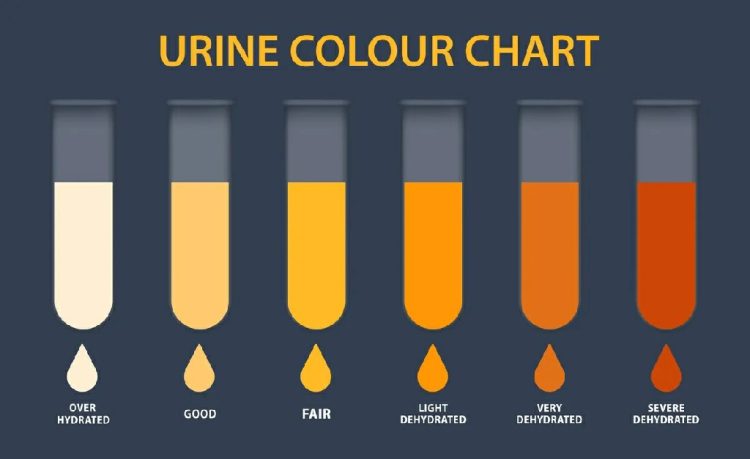
3. How Much Should You Drink?
Sports scientist Andy Blow offers a general guideline: one 500ml bottle per hour in moderate conditions, and up to two bottles per hour in the heat. However, he emphasizes that sweat rates vary greatly based on genetics, intensity, and environment.
A more personalized approach is to prevent body weight from falling by more than 2% during a ride. For a 70 kg rider, this means limiting fluid loss to 1.4 kg.
Overhydration can be equally dangerous, leading to Exercise-Associated Hyponatremia—a potentially fatal condition where blood sodium becomes dangerously diluted. Even mild overhydration can cause bloating and nausea by slowing stomach emptying.
While not perfectly precise, urine color is a useful hydration indicator. Pale yellow suggests good hydration, while dark yellow signals a need to drink.
4. What Should You Drink?
Sports nutritionist Andy Blow recommends a mix of plain water, carbohydrate drinks, and electrolytes to replace what is lost through sweat and exertion.
In hot conditions, he advises increasing intake of plain water and electrolytes, as high-carb drinks can sometimes upset the stomach.
In colder weather, sweat losses are lower, so reduce overall fluid intake. A good strategy is to carry one bottle with a carbohydrate mix and one with water or a low-concentration electrolyte drink.
For most training rides, you might start with water. For intense or long sessions over 90 minutes, a sports drink containing carbs and electrolytes can help maintain energy and hydration balance.


