
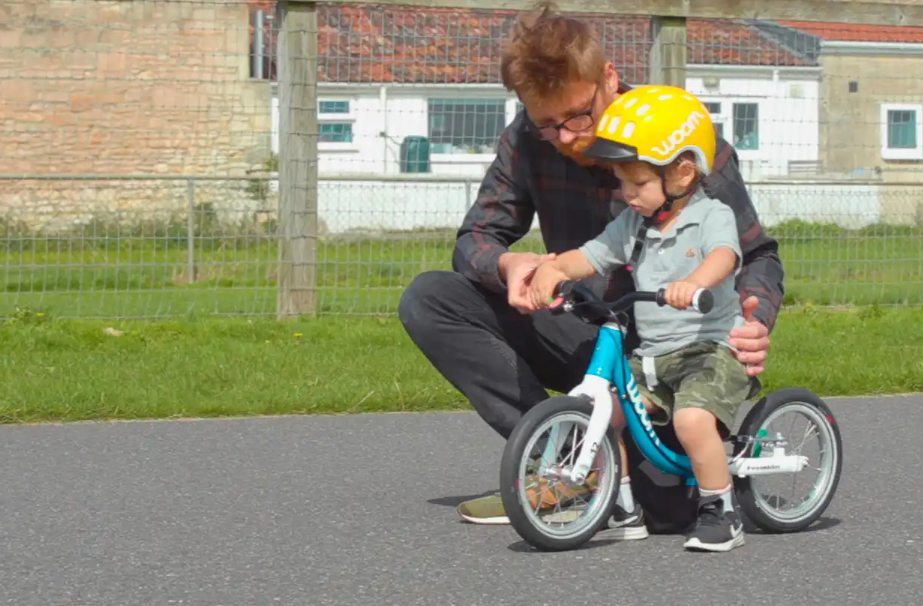

Buying your child their first bike is exciting, but what’s the best way to teach them to ride without training wheels? Learning to ride solo is a memorable milestone for any child—and their parents. With the right approach, your child can gain confidence and start pedaling independently in just half an hour.
Start with a Balance Bike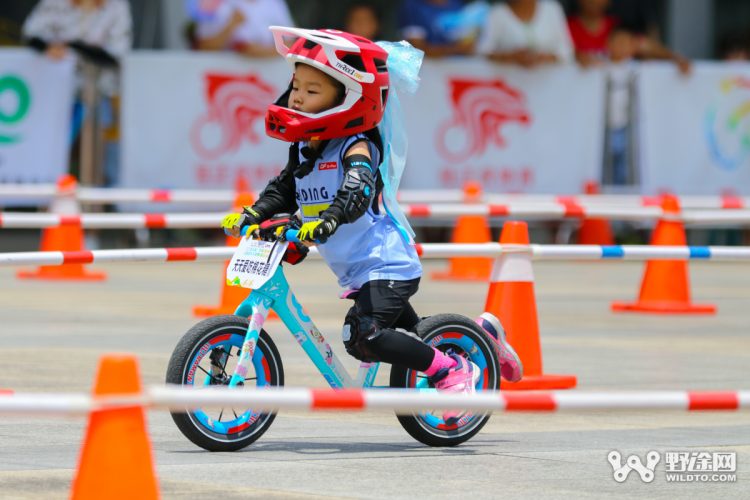
Before introducing a pedal bike, consider a balance bike. These bikes help children learn balance and steering naturally, without the complexity of pedaling. Unlike training wheels, which keep the bike rigidly upright, a balance bike teaches kids to lean and maneuver, building the foundational skills needed for riding.
Check Their Readiness
Most children are ready to learn between ages three-and-a-half and four-and-a-half. If they’re watching other kids ride and showing curiosity, it’s a good sign they’re ready. Remember, riding requires coordination they may not have developed earlier.
Choose the Right Practice Area
Pick a smooth, open space free of traffic and crowds. A flat concrete or asphalt surface works well—it allows easy rolling and lets kids focus on balance. While grass offers a softer landing, it can make pedaling harder. A quiet park path or empty parking lot are ideal spots.
Set Up the Bike Correctly
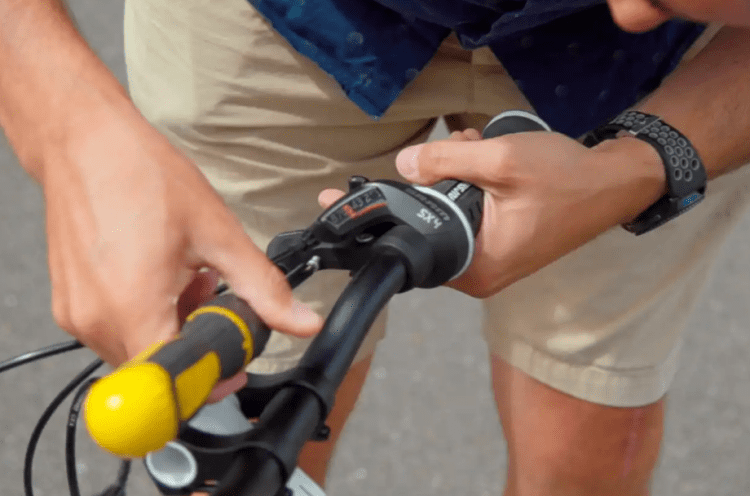
Make sure the bike fits your child properly. When seated, they should be able to place the balls of their feet on the ground. Avoid setting the saddle too low—this can make pedaling awkward and interfere with balance. A properly sized bike helps them feel secure and in control.
Guide Their First Attempts
Stand behind the bike and your child, lightly supporting their torso or shoulders—not the handlebar or saddle. Let them get a feel for balancing. As they gain confidence, gradually release your support. Stay close to catch them if needed, and guide them through gentle turns so they learn how leaning affects direction.
Introduce Pedaling
Once they’re comfortable balancing and gliding, teach them to start on their own. Place one pedal in the 2 o’clock position. Have them step down on that pedal while pushing off with the other foot. They may need a few tries to coordinate the motion. Encourage them to look ahead, not down.
Practice Braking Safely
Before they start riding, show them how the brakes work. Have them walk beside the bike and squeeze the brake levers to see how the bike stops. Once they understand, let them practice braking while riding gently. Remind them to put a foot down after stopping—many beginners forget this step.
Keep Sessions Fun and Positive
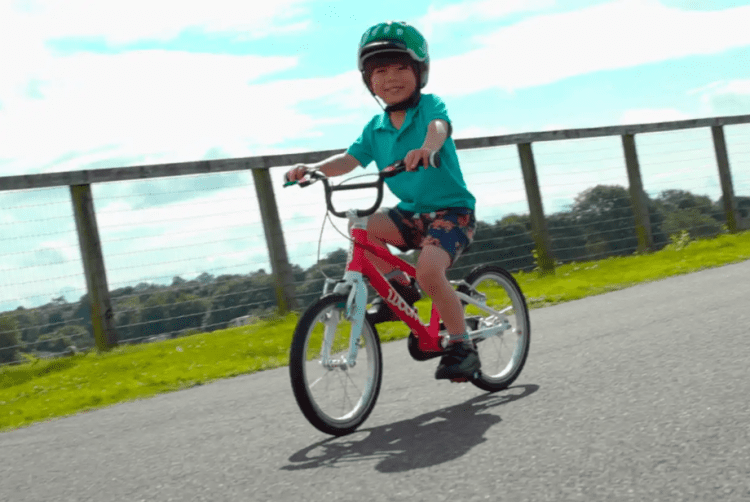
Practice makes progress, but keep it light and enjoyable. Every child learns at their own pace. Offer plenty of praise and avoid pushing if they’re frustrated. Short, frequent sessions work better than long, stressful ones. The goal is to help them associate biking with fun and freedom.
Don’t Forget Safety Gear
A properly fitted helmet is essential. Elbow and knee pads can prevent scrapes, and gloves protect little hands. Have your child wear closed-toe shoes and comfortable clothing that allows movement.
With patience and the right technique, your child will soon experience the joy and independence of riding on their own.


