


Riding a bicycle while obeying the law isn’t easy—especially because many laws exist that you might not even know about.
Don’t just focus on running red lights; plenty of other riding behaviors can cause trouble, particularly if you don’t understand local regulations.
So, if you plan to cycle abroad and want to stay legal to avoid fines, here is a practical guide we’ve put together, featuring 10 little-known—and in some cases, downright bizarre—rules.
1. California Bans Riding Bicycles in Swimming Pools
Don’t attempt this in California.
How is your underwater cycling technique? If it needs work, don’t head to California to practice, because it’s illegal there and has been for over 40 years.
Apparently, authorities passed this law to stop BMX riders from entering drained swimming pools and using them as impromptu BMX parks.
2. In Japan, You Cannot Ride While Holding an Umbrella Japan penalizes 113 different cycling violations. Some are obvious, like riding at night without lights or crossing closed railroad crossings, but others are less clear. You can get fined for cycling while holding an umbrella. Until recently, some parts of Japan also banned tandem bicycles. You might also face penalties for wearing headphones while riding, using a phone, or staring at a screen. However, it’s unclear how they handle cyclists relying on phone navigation.
3. In Thailand, Riding Shirtless Is Prohibited
Apparently tired of tourists using Thailand’s pleasant (though quite humid) climate as an excuse to undress in public, Thai authorities took action.
Now, riding a bicycle or driving any vehicle anywhere in Thailand without fully covering your upper body is illegal and can result in a fine of about 200 baht (roughly $5).
4. In the UK, “Furious or Wanton” Cycling Is Illegal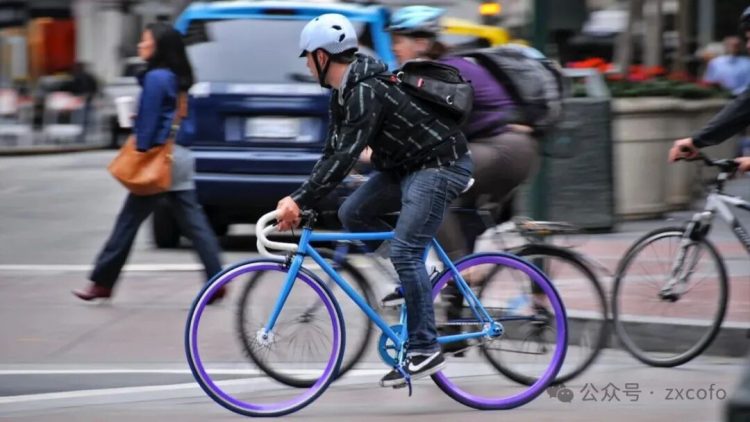
This is a peculiarly worded statutory offense that sounds odd to modern ears. Dating back to 1861, it equates to dangerous driving for cyclists. If someone rides in a manner that causes physical harm to pedestrians due to misconduct or negligence, they commit a criminal offense punishable by up to two years in prison.
Ireland repealed this law back in 2010, and more than 160 years later, the UK government is looking to replace it with a new dangerous cycling law.
5. In Galesburg, Illinois, Fancy Riding Is Forbidden
It’s true; we checked the city ordinances in Galesburg: “No person riding a bicycle shall remove both hands from the handlebars, both feet from the pedals, or perform acrobatic or fancy riding on any street.”
6. In Connecticut, Bicycles Cannot Exceed 65 Mph
You might need to adopt a super-tuck position (now banned by the UCI, along with a range of equipment from narrow handlebars to long socks) and take tips from Tom Pidcock to even approach this speed. Yet the law clearly states: In Connecticut, you cannot ride a bicycle faster than 65 miles per hour (104 kilometers per hour).
7. In New South Wales, Australia, Bikes Must Have a Bell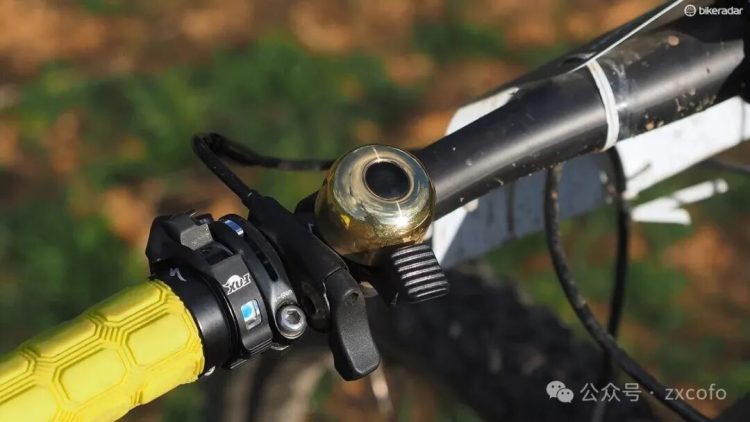
New South Wales takes a strict approach to bicycle safety in this case. In this part of Australia, your bicycle must have an audible warning device. No exceptions, no excuses, or you face a fine of up to 106 AUD (about $78).
Don’t think being a tourist exempts you. The 1968 Vienna Convention on Road Traffic lists bells as part of the minimum equipment for international bicycle use.
8. In Colorado, No Hands-Free Cycling Allowed
While riding no-handed is a handy skill, be careful, skilled cyclists in Colorado—you probably can’t do it. According to Colorado Revised Statutes: “A person operating a bicycle must always keep at least one hand on the handlebars.” Other places, including Australia, have similar laws.
9. In the UK, Night Riding Requires Pedal Reflectors
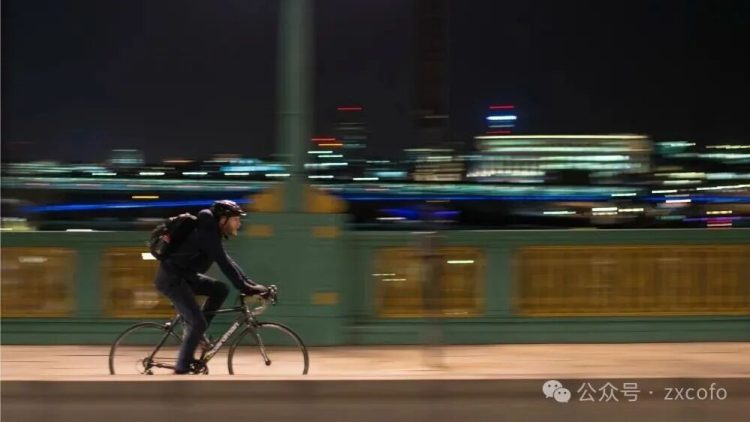
That’s right, it’s the law. So if you ride at night in the UK, your fancy road bike needs pedal reflectors. These reflectors must be amber and positioned so that one is clearly visible on the front and back of each pedal.
10. Also in the UK, Selling Bikes Without Accessories Is Not Allowed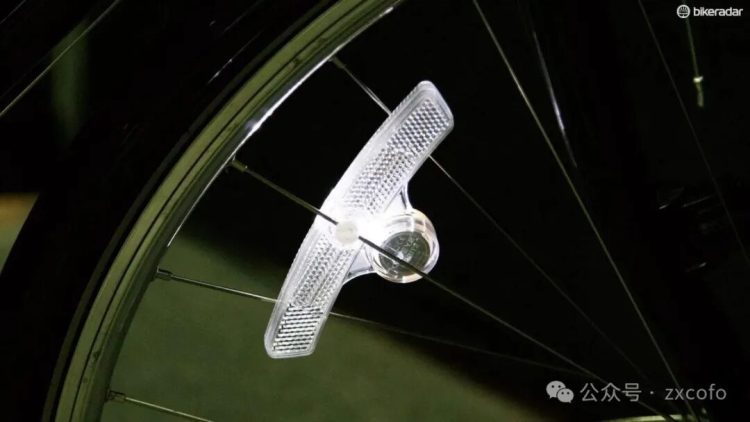
You might spend over £10,000 on a Pinarello that weighs less than 7 kilograms, but you still have to sell it with spoke reflectors installed.
If you buy a new bicycle in the UK, it must come with pedal reflectors, spoke reflectors, a bell, and front and rear reflectors. That’s why your sleek new bike comes with a bunch of parts you’ll probably remove immediately. Children’s bikes are exempt if the seat height can’t exceed 635 millimeters from the ground, even though you could argue they need enhanced visibility the most. Additionally, the left brake lever must control the rear brake, and the right lever the front brake, so European-style brake setups aren’t allowed.


