


“Want to get stronger? Ride more!” That’s the fundamental truth behind gaining power—you need to spend more time on the bike. To maximize your training results, especially during the winter, successfully combining indoor and outdoor riding is a smart approach. Here’s how to make the most of both.
Key Benefits of Indoor Riding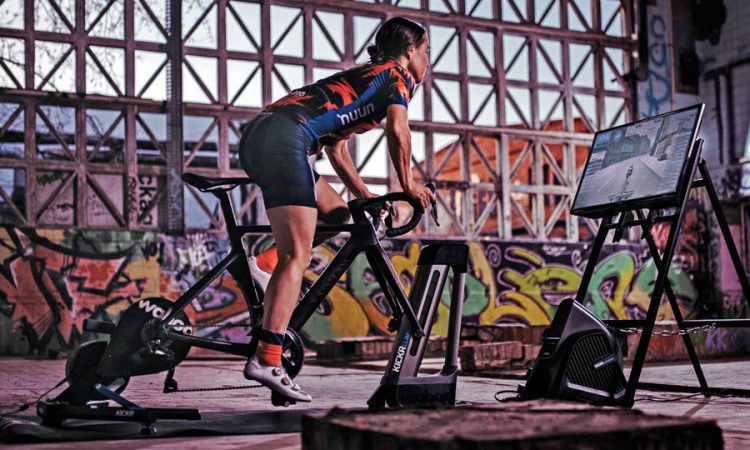
1. More Focused Efforts
Indoor training allows you to reach and maintain specific intensity levels without interruptions from traffic lights, vehicles, or changing terrain. On the trainer, you can concentrate fully on your effort and power output—just push yourself and give it your all.
2. Short Sessions, High Returns
Outdoor rides often include unplanned stops—at intersections, for traffic, or because of careless drivers. These interruptions break your rhythm. Indoors, you rarely stop pedaling. A solid 45-minute to one-hour session can provide the stimulus your body needs to stay fit and make gains.
3. Pedaling Efficiency and Leg Strength
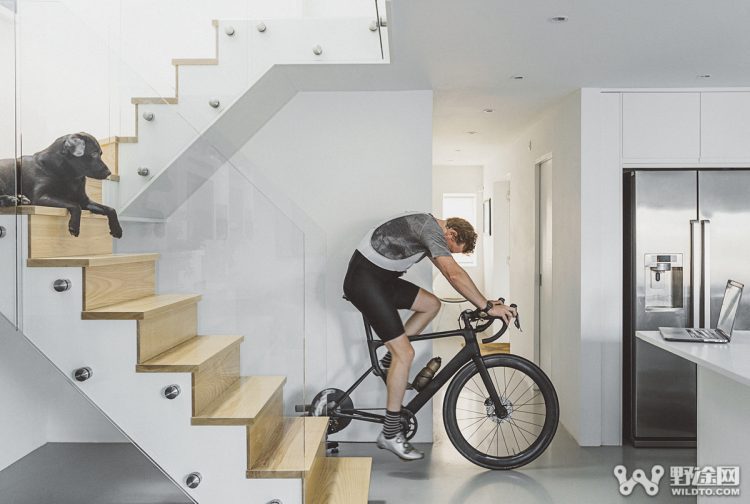
Pedaling on a direct-drive trainer, especially one with a heavy flywheel, requires more leg muscle engagement compared to riding outdoors. Over time, this builds better pedaling efficiency and can increase raw leg power.
4. Avoid Respiratory Issues
Outdoor riding often means breathing in car exhaust, dust, and polluted air. Consistently inhaling these irritants can raise the risk of respiratory illnesses. Cold winter rides also increase the chance of catching a cold, which can disrupt training and recovery. Riding indoors reduces these risks.
Benefits of Outdoor Riding
1. Long Endurance Sessions
The thought of spending three hours or more on an indoor trainer can feel overwhelming. Long indoor sessions often become monotonous, hot, and uncomfortably sweaty. In comparison, a three-to-four-hour ride outside feels far more manageable and enjoyable.
2. Better Bike Handling
Outdoor riding, especially in a group, demands good balance and control. You strengthen essential skills like cornering, braking, and eating while on the bike. Confident bike handling makes you more prepared and relaxed during races.
3. Core Strength and Riding Posture
When you ride for long periods on a stationary trainer, many of your upper-body muscles—including your core—are underused and can weaken. Outdoors, even if you don’t notice it, these muscles continuously work to keep you balanced. Maintaining core and upper-body strength is important for cycling performance and overall posture.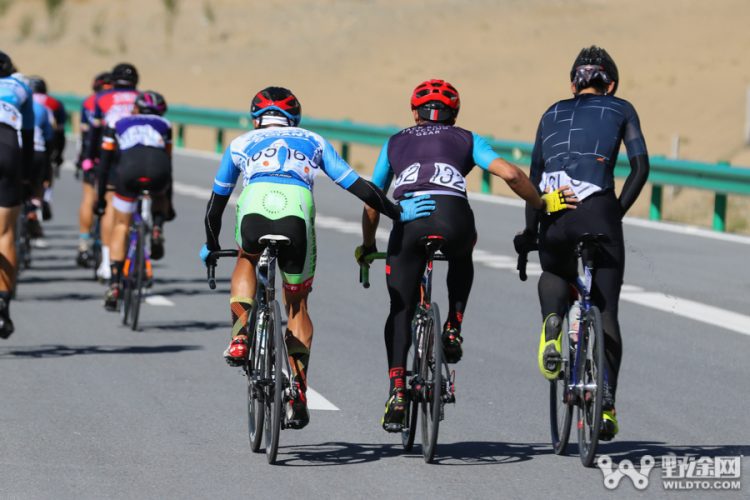
4. Social Enjoyment
Cycling isn’t just a workout—it’s a social activity. If you can’t remember the last time you rode with friends outside of an app like Zwift, it might be time to reconsider. Heading outdoors for a long ride with a few friends, followed by a good meal, can renew your motivation and make cycling fun again.
Combining Indoor and Outdoor Riding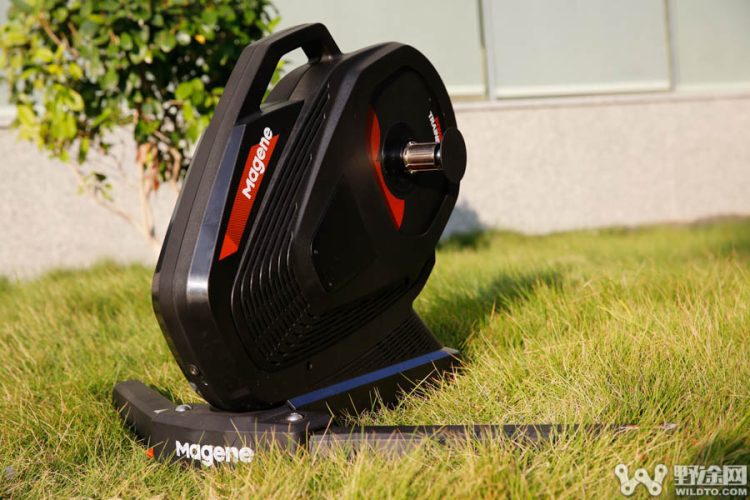
The best mix, especially in colder months, is to do short, high-intensity workouts indoors and longer, low-intensity endurance rides outside. A practical approach is to use weekdays for indoor training—making the most of limited time after work—and weekends for outdoor long rides with friends. This balances aerobic and anaerobic training effectively.
Platforms like Zwift are ideal for structured intervals and virtual races, helping you stay fit and motivated. On weekends, taking your bike outside improves handling, works your core, and offers social benefits. One or two outdoor rides per week won’t overload your body during the cold season.
For moderate-intensity sessions, you can choose either option depending on your schedule and the weather. If you have time and conditions are good, riding outside is always the preferred choice. If you’re short on time but need an efficient session to maintain fitness, the trainer is your best tool.


