
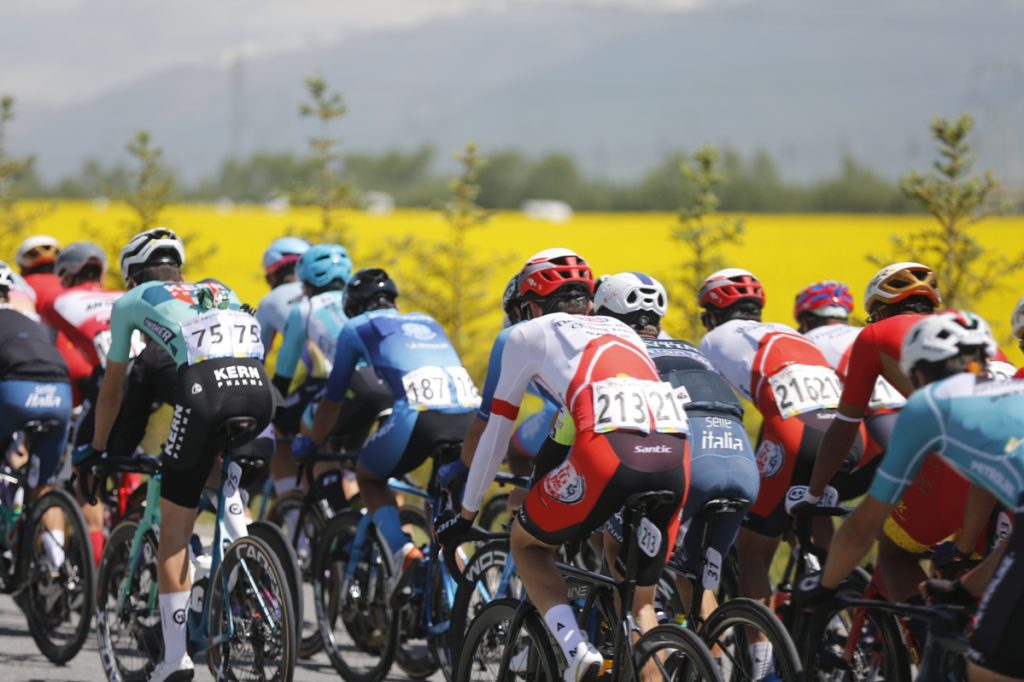

In high-altitude races like the Tour of Qinghai Lake, every detail matters, and the choice of bicycle tires holds particular significance. The delicate balance between tire width and air pressure can dramatically influence speed and a rider’s performance on complex, high-altitude terrains.
Tire Width: Debunking the “Narrower is Faster” Myth
Conventional wisdom suggests narrower tires offer less rolling resistance and higher speed. However, modern research and practical experience in multi-terrain events challenge this. Wider tires, at optimal pressure, can actually provide lower rolling resistance by deforming less upon contact with the ground. This translates to smoother rolling, enhanced stability, and reduced rider fatigue—crucial advantages on varied high-altitude routes. Consequently, many professional teams have shifted from traditional 23mm tires to 25mm or even 28mm widths for longer, more demanding stages.
Pressure Adjustment: Accounting for Altitude
Altitude drastically affects tire pressure. For every 1,000-meter increase in elevation, atmospheric pressure drops by approximately 10%. On courses averaging 3,000 meters, like the Tour of Qinghai Lake, this means ambient pressure is about 30% lower than at sea level. Riders often slightly reduce tire pressure accordingly. Lower pressure increases the contact patch with the road, improving grip for critical cornering and braking, especially on mountainous stages featuring climbs and descents.
Tubeless Technology: A Growing Trend
The rise of tubeless tires is significantly changing tire strategy. This system allows riders to run lower pressures without the risk of pinch flats, offering greater flexibility to fine-tune pressure for specific stage conditions. This advantage is particularly pronounced in races with mixed terrains, enabling optimal performance across varied surfaces.
Environmental Factor: The Impact of Temperature
Large diurnal temperature swings in high-altitude regions are a key consideration for professional teams. Tire pressure increases by roughly 3-4% for every 10°C rise in temperature. Teams calculate this effect, often starting a stage at a slightly lower pressure to account for the heat generated during the race, ensuring consistent performance from start to finish.
The Art of Personalization
There is no one-size-fits-all solution. Ultimately, tire choice is highly personalized. Riders must consider their weight, riding style, and the specific challenges of each stage. Heavier riders typically require higher pressures, while lighter riders can opt for lower ones. Climbing specialists might prioritize lighter setups, whereas sprinters may value the stability of wider tires.
Though a small component, the bicycle tire is a masterpiece of engineering and practical science. Mastering its intricacies is a subtle yet critical factor for success in grueling international competitions. The next time you watch a high-altitude race, take a moment to appreciate the black circles beneath the riders—they are where science meets the road.


