
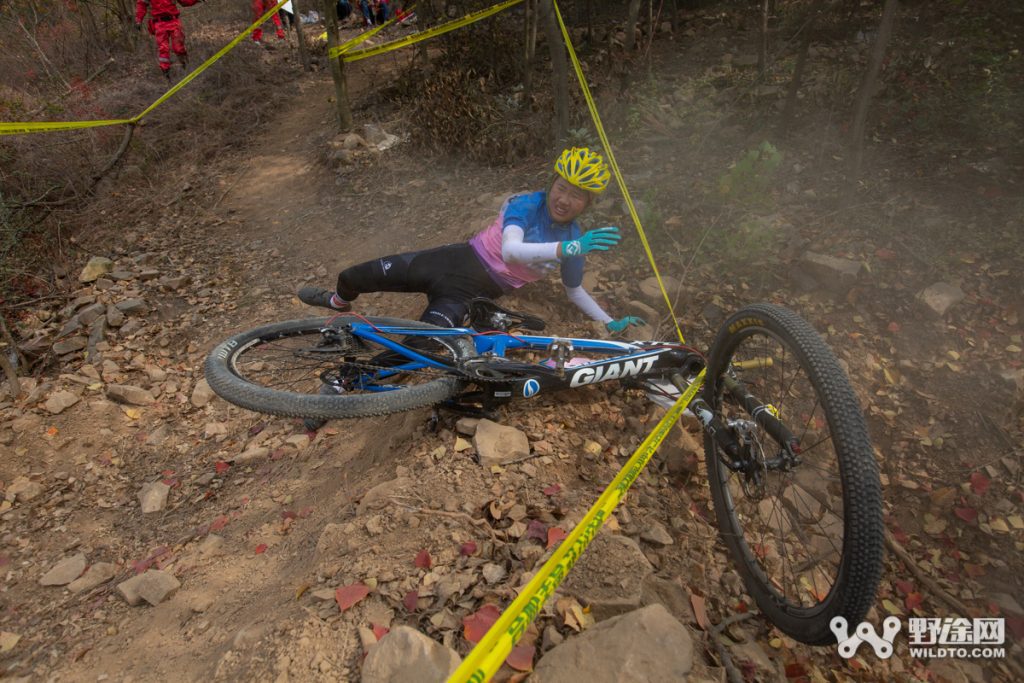

Falling is part of mountain biking. While most spills are minor, serious accidents can happen. If a crash occurs and you need to help a friend or a stranger, lacking basic knowledge can make the situation worse. This guide outlines key steps to minimize harm after a fall.
We ride bikes to have fun, and few of us spend time thinking about the risks. However, every professional and seasoned guide knows to prepare for the unexpected and consider worst-case scenarios. Think of pilots: earning a license means learning to fly, but it also involves training for emergencies. In mountain biking, some riders learn how to fall, tuck, and roll. Those who are prepared can handle risks more effectively.
A dramatic crash sends adrenaline surging, your heart races, and clear thinking becomes difficult. Emergencies can easily overwhelm you. Those who can stay calm and take targeted action have a major advantage. Fortunately, this is a skill you can learn.
Proper preparation significantly reduces—or even prevents—emergencies, especially when riding unfamiliar terrain. Most accidents result from carelessness or misjudging the trail or your own skills. A simple pre-ride checklist helps ensure you’re ready for your next adventure.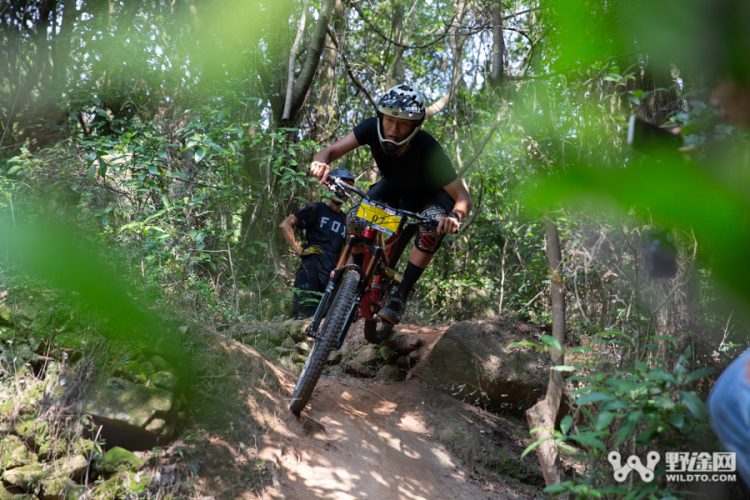
1. Where Are You Riding?
A quick loop on local trails is different from a bike park day or exploring a new route. Consider sudden weather changes, poor phone reception, and how difficult rescue access might be. Save local emergency numbers beforehand. Learn if the trail network or bike park has a specific rescue contact. Being able to describe your location accurately saves precious time and energy.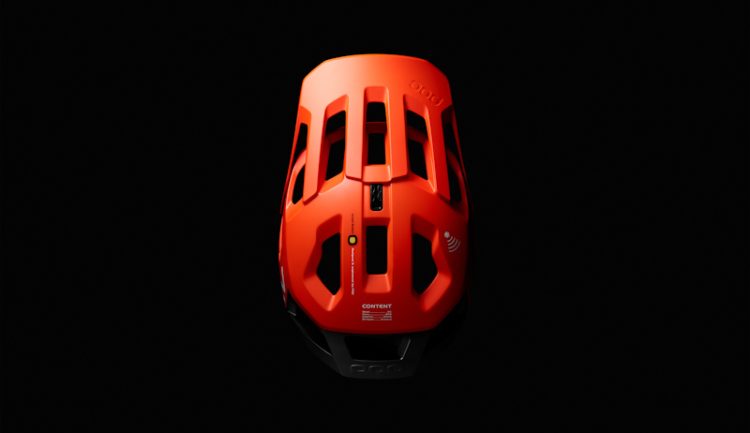
2. Do You Have the Right Gear?
Is your protective equipment adequate for the terrain and does it make you feel secure? Check your gear:
Is your bike in good condition? Regularly check critical bolts, especially before a long ride. How old is your helmet, and has it been in a crash before? Do you have a first-aid kit? Is your phone charged? These are essential questions.
Few of us enjoy riding with a pack, but you don’t want to be without a first-aid kit when it’s needed. If riding with friends, coordinate who carries what to avoid duplicates or missing items. Many brands integrate useful features, like the NFC chip in POC helmets.
Nearly everyone carries a phone. Use functions like Apple’s Medical ID so anyone who finds you can quickly access your medical details and emergency contacts.
For example, the NFC chip in the new POC Kortal Race MIPS helmet can store emergency contact info, address, and allergies via an app. The helmet also includes a RECCO reflector, helping rescue services locate you more easily with specialized detectors.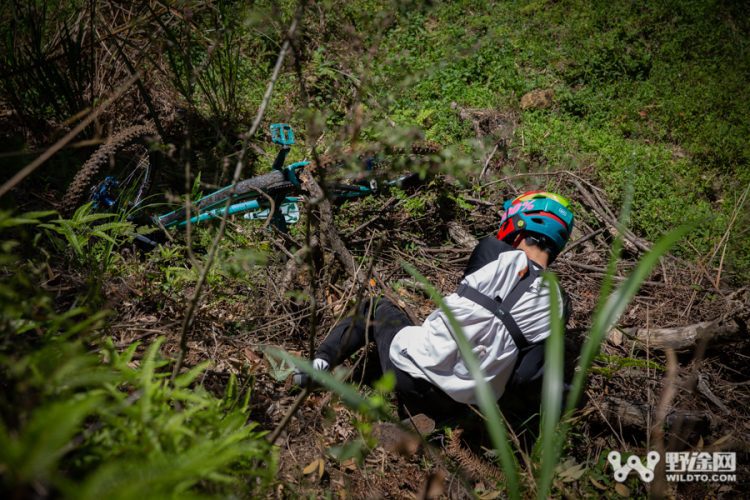
3. Prevention First
Ride smart. Don’t overestimate your skills. If you’re riding alone in a remote area, avoid risky moves or big jumps. If you’re not feeling your best, skip ambitious features or attempts to break a Strava record. If you have poor signal, remember you must be able to call for help.
This article isn’t an online first-aid course but encourages you to keep your skills current. We strongly recommend taking a first-aid course designed for outdoor sports with your riding buddies. Local rescue teams and other organizations often offer such training.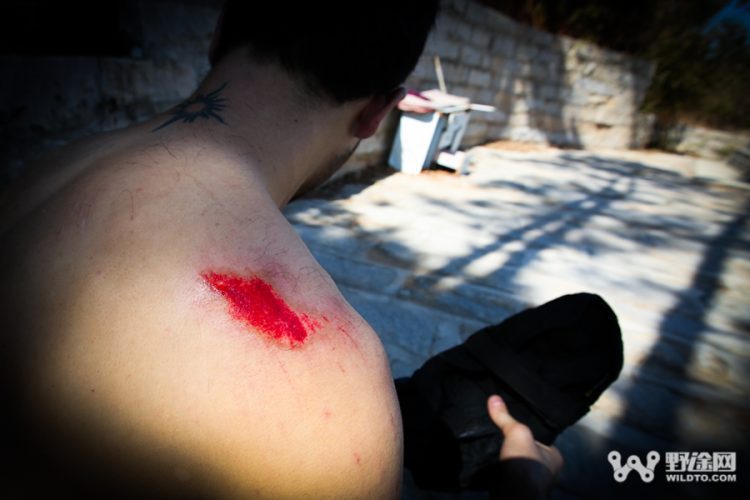
How to Handle an Accident If One Occurs
Staying calm is crucial. If you find yourself in a crisis unsure what to do, pause for ten seconds to plan the next ten minutes. Stop, take a deep breath, prioritize what truly matters, and decide your next steps. Stay controlled—don’t panic or act impulsively. Above all, protect the injured person.
Secure the accident site, especially on a less-traveled trail. Move bikes and gear out of the way to prevent further collisions. If that’s not possible, place a visible warning sign far enough back to alert other trail users.
Remember the Five W’s:
Where did it happen?
Who is calling?
What happened?
Who is injured?
Wait for a response.
If possible, send multiple guides for help. Riders may arrive at different times, or the trail may be complex and require more markers. As a supporter, stay on-site after rescue services arrive in case they need information or assistance. That said, give them space to work—don’t step on equipment or crowd the injured person.
Fortunately, most people are very helpful in emergencies. Accept assistance even if you can’t immediately think of a task for them.
While no one likes to think about worst-case scenarios, they are part of our sport, and we must face them bravely. Preparation and prevention help reduce risks, and regularly updating your first-aid skills keeps you calm in a crisis. In serious situations, this knowledge doesn’t replace professional rescue services, but it can make things safer for you, the responders, and the injured person. Let’s prepare for the worst.


