
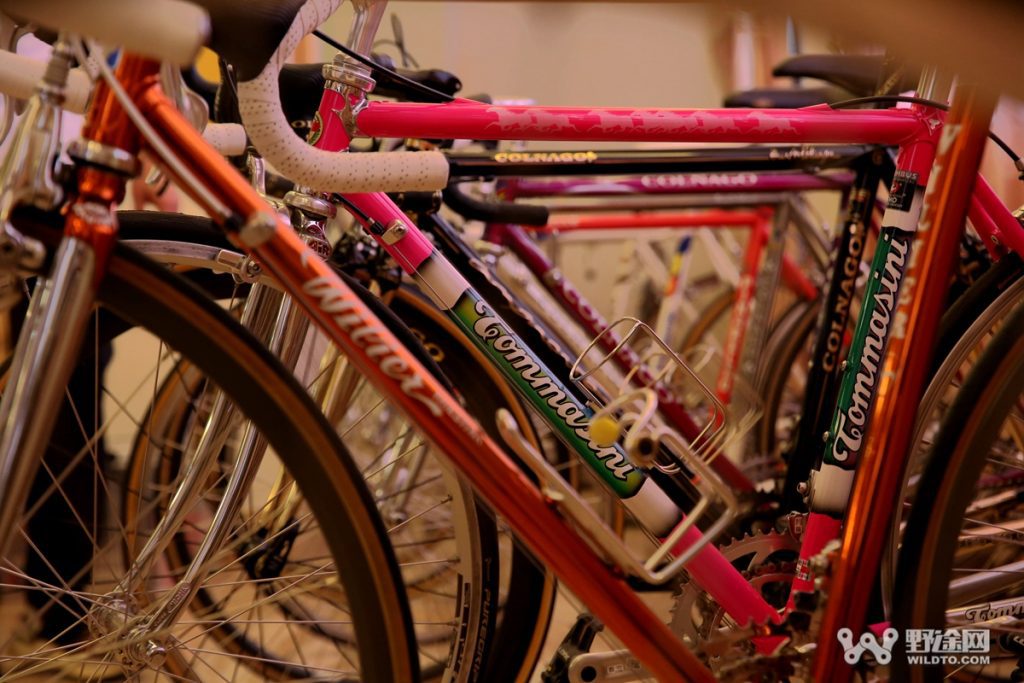

For many cycling enthusiasts who own multiple bikes—road, mountain, or others—knowing how to store them correctly during the off-season is key to maintaining their performance and longevity. If you plan to leave your bike unused for an extended period, here’s a practical guide to keeping it in top shape.
Start with a Full Clean
Before storing your bike, give it a thorough wash and basic maintenance. Cleaning removes dirt, sweat, and grime that can cause corrosion over time. A clean bike is also ready to ride when you decide to take it out again.
Adjust Tire Pressure
If you’re not hanging your bike, pay attention to tire pressure. While tires naturally lose air over time, storing them with too high pressure can strain the rubber and rims. For example, if your mountain bike normally runs at 50–60 psi, reduce it to around 30 psi. This helps prevent sidewall cracking or deformation.
Shift to the Smallest Gear
When not in use, shift the rear derailleur to the smallest cog and the chain to the smallest chainring. This relieves tension on the derailleur springs and the chain, preventing metal fatigue and keeping your shifting crisp. Leaving the drivetrain under high tension for months can lead to stretched cables and poor performance.
Release Brake Tension
For rim brake bikes, release the brake quick-release lever to loosen the cable tension. This reduces stress on brake cables and caliper springs, helping them last longer. Do not release hydraulic disc brakes—these are best left engaged.
Apply Lubrication and Rust Protection
Metal components, especially bolts, are prone to rust. Spray a long-term rust inhibitor or a light lubricant on screw heads, derailleur pivots, and other exposed metal parts. Avoid getting oil on brake surfaces or rotors.
Apply a light layer of chain lubricant to the entire chain to prevent rust. Don’t forget the brake and shift cables—these can also corrode over time.
Clean and Inspect Wheels
Wipe down rims and tires with a damp cloth. Check tires for cuts, cracks, or embedded debris. If you spot damage, replace the tire before storing the bike. Spin the wheels to make sure they’re true and that hubs are smooth.
Protect the Frame
After cleaning the frame, you may apply a layer of bicycle wax or polish. This helps repel dust and moisture. Finally, cover the bike with a breathable bike cover or cloth to protect it from dust, sunlight, and humidity. Store it in a cool, dry place—avoid damp basements or hot attics.
By following these steps, your bike will be well-preserved and ready to roll when the riding season returns. A little care now saves time and money on repairs later.


