
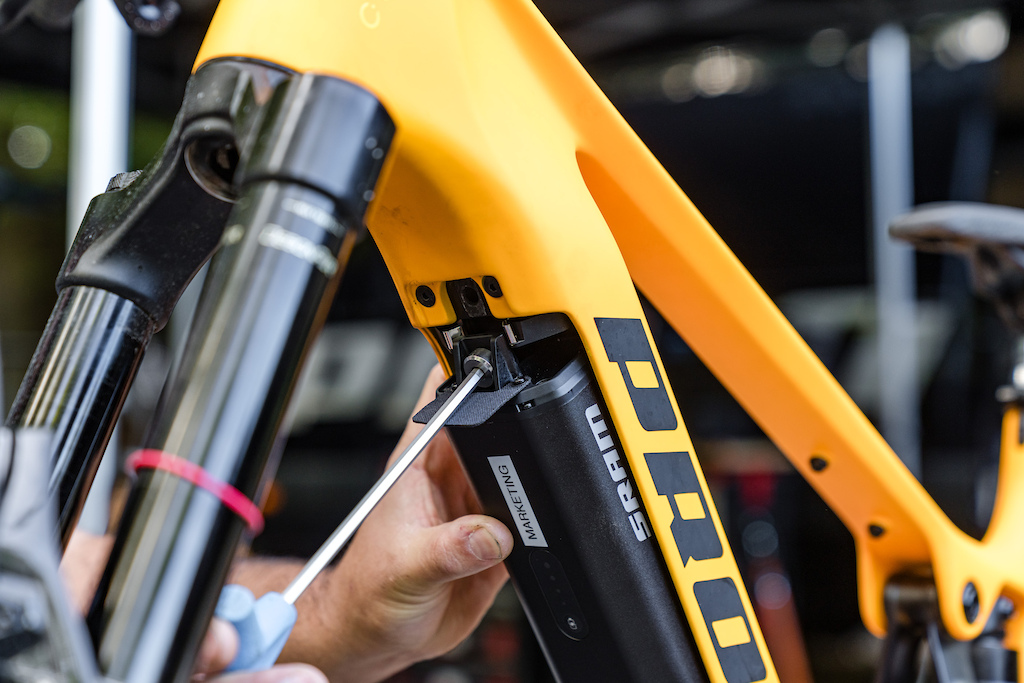

E-bike batteries generally last longer than those in many other electric devices, but improper handling can significantly shorten their life. While manufacturers like Shimano, Bosch, and Specialized often offer two-year warranties, replacing a battery out-of-pocket can cost up to $1,000. Keeping your battery healthy is clearly worthwhile.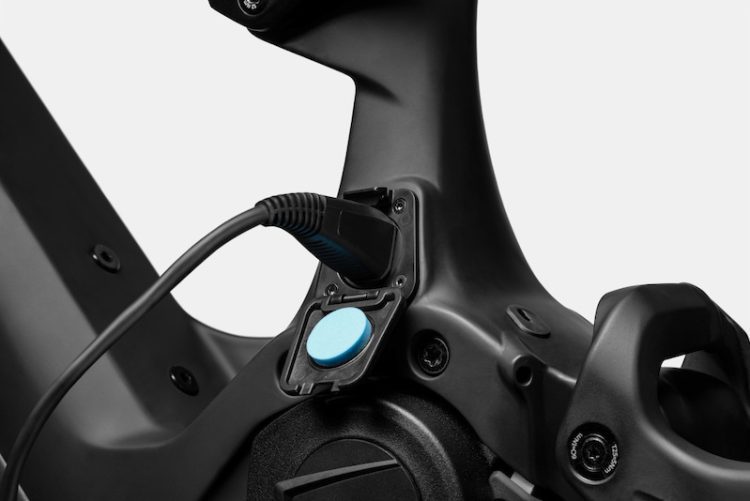
The typical lifespan of an e-bike battery varies widely, ranging from 2 to 10 years, with 3 to 5 years being most common. Batteries don’t usually fail suddenly. Instead, they gradually lose capacity over time, meaning you’ll get fewer miles per charge. This degradation depends on the battery’s age and how many charge cycles it has undergone.
Most e-bike batteries are rated for 300 to 1,000 full charge cycles. Bosch’s warranty, for example, covers two years or 500 cycles, whichever comes first. The more you charge it, the more capacity it loses. Fortunately, you can use several key strategies to maximize both your battery’s lifespan and your riding range.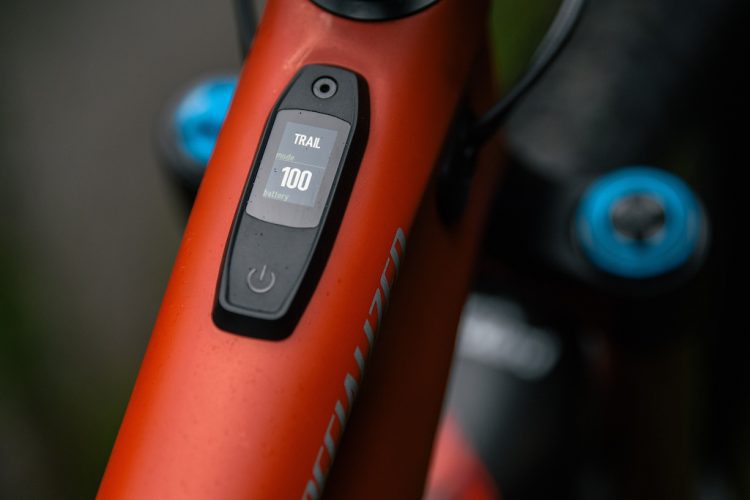
Avoid Constant Full Charges or Deep Discharges
A battery stored at 100% charge loses capacity faster. It’s best to unplug the charger soon after a full charge is complete.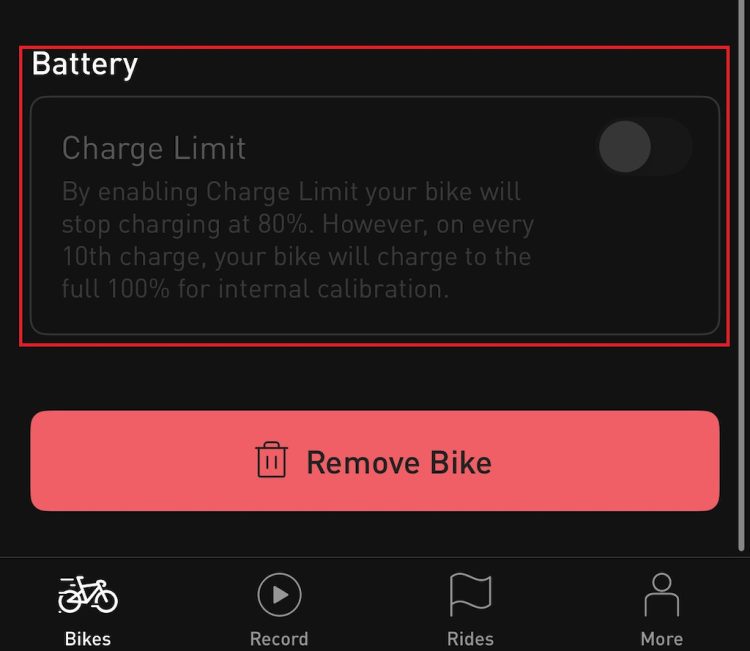
For long-term storage—especially during winter—keep the battery charge between 30% and 80%. Some e-bike apps let you monitor the state of charge, though few currently allow you to set a charging limit. You may need to unplug the charger manually partway through the cycle or take a short ride to bring the level below 80%. Ideally, more manufacturers will add this feature to their apps; Trek and Specialized already have.
Recommendations for the ideal storage level vary, but Bosch suggests 30% to 60%. Unless your manufacturer specifies otherwise, aiming for the middle of that range—around 50%—is a safe bet. The key is to not let the battery drain too low. Since it will slowly lose charge over time, check its status every few weeks and top it up if needed.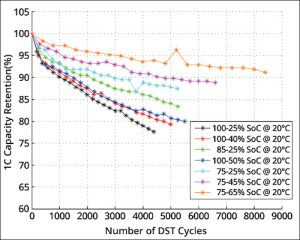
According to battery research, cycling a battery between 25% and 75% can deliver roughly twice the number of charge cycles before a given capacity loss, compared to cycling between 50% and 100%. In short, batteries prefer to stay near the middle of their charge range.
That said, it’s still a good idea to occasionally charge to 100%—Specialized recommends doing this every 10 cycles—to help balance and calibrate the battery cells. Most riders will do this naturally before a long ride anyway.
Protect Your Battery from Extreme Temperatures
Heat is the enemy when storing your battery. According to manufacturers, cooler temperatures lead to slower capacity loss over time.
If possible, avoid leaving your e-bike in direct sunlight. When riding in hot weather, park it in the shade. For winter storage, a cool garage or shed is often better than a warm room indoors. Bosch recommends storing batteries between 0°C and 20°C (32°F to 68°F).
Charging in very cold weather—especially below freezing—can temporarily reduce performance, but it’s less of a long-term concern. In winter, try to charge the battery indoors before a ride. While low-quality, damaged, or aftermarket batteries with incompatible chargers can pose a fire risk, this is very rare with quality batteries found in modern e-bikes. Regardless, it’s wise to avoid charging overnight or near flammable materials.
Take Good Care of Your Battery
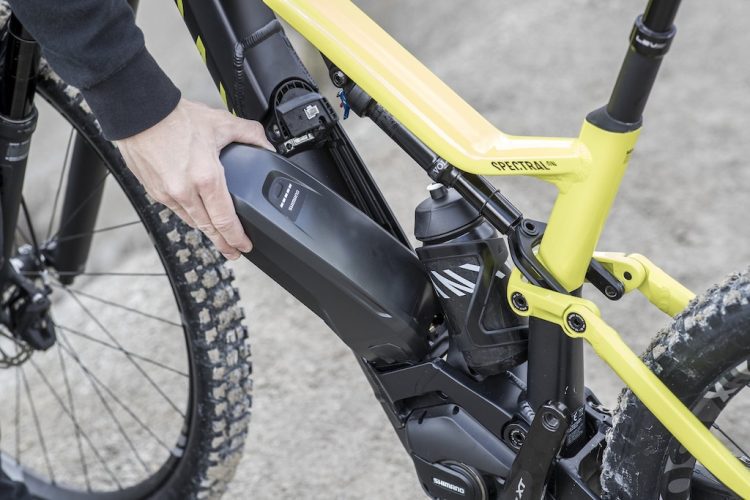
Handle your battery with care. Avoid dropping it, keep it clean, and regularly inspect the casing for any cracks or bulging. Also, stay informed about any battery recalls.
When your battery finally reaches the end of its useful life, be sure to recycle it responsibly. Contact your local bike shop or the manufacturer—most major brands support battery take-back programs to ensure proper disposal.


