

A detailed comparison from durability and performance to price and riding experience.
Introduction: It’s Not About “Better” – It’s About “Better for You”
We’ve all been there: standing in front of two great bikes, wondering whether to go for the high-tech carbon fiber model or the trusty aluminum one. One rider recently shared that after a crash damaged his carbon frame (and the warranty had expired), he started questioning whether aluminum might be the smarter choice for his next bike.
Sound familiar?
Let’s break it down—without the bias.
Weight & Stiffness: The Core Differences
Carbon Fiber: Lighter by nature—often saving 500g to 1kg on a complete bike. It’s also highly tunable: engineers can design specific areas to be stiff for power transfer or compliant for comfort.
Aluminum: Heavier, but no slouch. Modern hydroforming allows aluminum frames to be stiff and responsive, though often at the cost of a harsher ride.
🚀 If you’re chasing grams and quick acceleration, carbon is your friend. If you want solid performance without the premium price, aluminum holds its own.
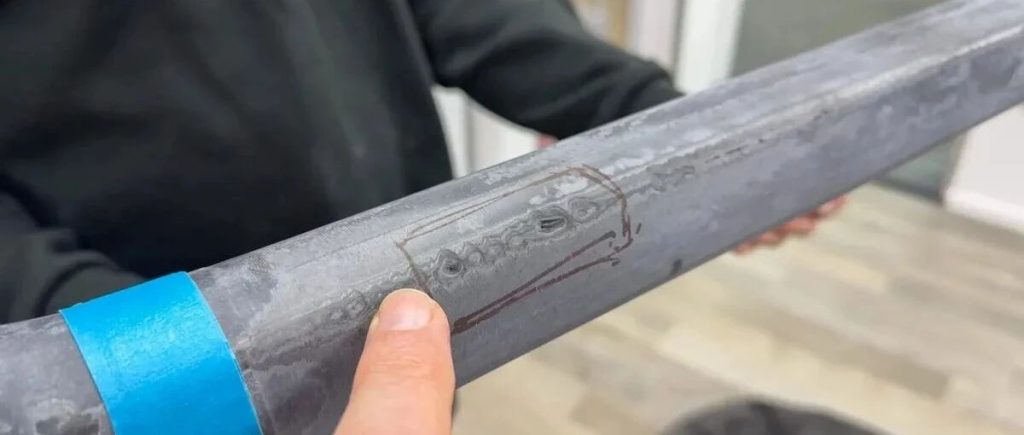
Durability & Repairability: The Real-World Test
Price & Value: More Than Just the Sticker Cost
Carbon fiber bikes typically start $1,000–$3,000 higher than comparable aluminum models. But there’s more to the story:
Carbon: Higher initial cost, potentially higher resale value (especially high-end models).
Aluminum: Lower entry price, affordable replacement parts, ideal for riders who ride hard and don’t want to worry.
If you’re on a budget or still developing your skills, aluminum offers incredible value.
Riding Style Guide: Which Material Matches Your Moves?
✅ Go Aluminum if you…
Ride technical trails, jump, or crash often
Are new to mountain biking or still building skills
Use your bike for commuting or frequent travel
Want peace of mind without high maintenance costs
✅ Go Carbon if you…
Race, climb often, or prioritize speed
Want the smoothest, most responsive ride possible
Have the budget for potential repairs or insurance
Appreciate lightweight design and cutting-edge tech
Hybrid Frames: The Middle Ground
Many brands now mix materials:
Carbon main frame + aluminum rear triangle
Aluminum frame with carbon seat stays or fork
These blends aim to offer carbon’s vibration damping and weight savings where it counts, while keeping key impact zones aluminum-tough.
The Final Decision: A Simple Formula
Your perfect bike = Riding style × Budget × Risk tolerance
| Rider Profile | Recommended Material |
|---|---|
| Beginner / young rider | Aluminum |
| Trail enthusiast / frequent jumper | Aluminum |
| Endurance / race-focused rider | Carbon |
| Budget-conscious & practical | Aluminum |
| Tech-loving performance seeker | Carbon |
Conclusion: Don’t Fear the Choice
Carbon isn’t “fragile.” Aluminum isn’t “cheap.”
Each serves a purpose—and the best bike is the one that lets you ride with confidence and joy.
So, whether you’re shredding singletrack or grinding up fire roads, choose the material that fits your life—not just the label.
Ready to decide? Take both for a test ride. Your legs—and your gut—will tell you the answer.


