
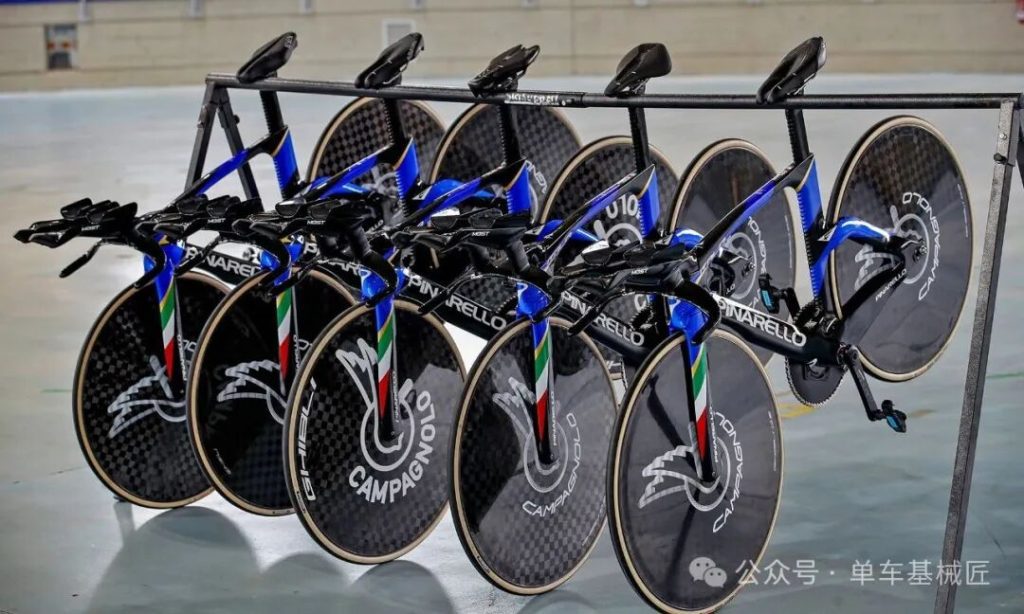

The International Cycling Union (UCI) is taking aim at cycling’s “tech arms race” with a bold new plan: imposing price caps on equipment used in Olympic-level track competitions.
Starting in 2027, national teams will face spending limits on key equipment—including frames, forks, wheels, handlebars, helmets, and even skinsuits. The move is designed to prevent wealthier nations from gaining an insurmountable equipment advantage and to level the playing field for teams with smaller budgets.
This isn’t the UCI’s first attempt to regulate gear. Existing rules already require competition equipment to be registered and made available for public purchase. However, manufacturers have exploited a loophole: simply listing products at astronomical prices—like the $15,000 LOOK P24 frameset or the rumored $25,000 Hope x Lotus 3D-printed titanium bike—technically satisfies the “for sale” requirement, even if almost no one can afford them.
The new regulations aim to close this loophole by setting clear price ceilings, though specific limits have yet to be announced. The UCI states the goal is to ensure competitions are decided by athlete performance, not equipment budgets.
Unsurprisingly, the announcement has stirred debate. While some praise the move as a step toward fairness, others worry it could stifle innovation. Track cycling has long served as a testing ground for new technologies, where marginal gains in weight and aerodynamics often result from heavy R&D investment.
Critics question whether manufacturers will continue pushing boundaries under strict pricing constraints. The UCI insists it will set caps high

enough to permit “genuine innovation” while curbing excessive spending. Yet some speculate brands may simply shift engineering focus toward maximizing performance within a fixed budget.
One potential upside? The regulations could help reveal what top-tier cycling equipment should realistically cost, moving the sport away from what some describe as a “display of extravagance” and back toward its fundamental values.

By 2027, Olympic track cycling could look very different—with podiums potentially featuring a more diverse mix of nations. Whether this move reinvigorates the spirit of competition or hinders technical progress remains to be seen. But one thing is clear: the UCI is serious about putting athletes—not their gear—back in the spotlight.


