
European trade measures continue to shape international e-bike manufacturing and distribution patterns. Industry sources indicate that both European and Chinese companies are developing new strategies to navigate the current regulatory environment while maintaining market access.
Trade Measures Reshape Supply Chains

The European Union’s trade policies have created new dynamics in the e-bike sector. Manufacturers have spent recent months adjusting their operations to comply with current requirements while maintaining competitive positioning in the important European market.
Industry analysts note that companies are taking different approaches based on their specific circumstances. Some manufacturers have modified their supply chain configurations, while others have focused on product differentiation and value-added features.
Manufacturing Strategies Evolve
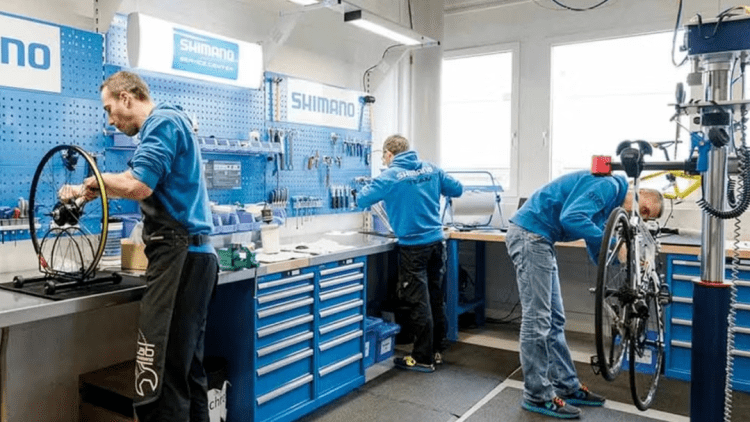

E-bike producers are implementing various strategies to address market requirements. Several companies have established additional production capacity in locations that can serve the European market effectively. These manufacturing arrangements allow companies to maintain product quality while meeting regulatory standards.
Manufacturers are also investing in production efficiency and technology upgrades. These improvements help companies maintain competitiveness while addressing increased complexity in international trade arrangements.
Market Access Considerations
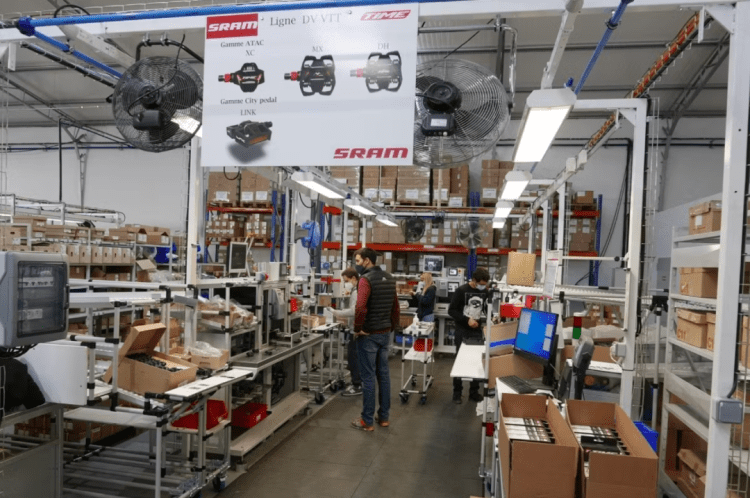
Companies are paying increased attention to compliance and documentation requirements. Successful market participants are developing more sophisticated approaches to managing the regulatory aspects of international trade.
Industry experts note that companies with strong compliance capabilities and flexible manufacturing approaches appear better positioned to navigate the current environment. These companies can adapt more quickly to regulatory changes and market developments.
Industry Continues Adaptation
The e-bike industry continues to demonstrate resilience in adapting to trade policy developments. Market participants are finding ways to maintain product availability while working within established regulatory frameworks.
Industry observers suggest that the current period of adjustment may continue as companies optimize their approaches to manufacturing and distribution. The focus remains on delivering quality products to consumers while meeting all applicable requirements.
Market participants expect the industry to continue evolving its approaches to international trade as companies gain more experience operating under current conditions.