
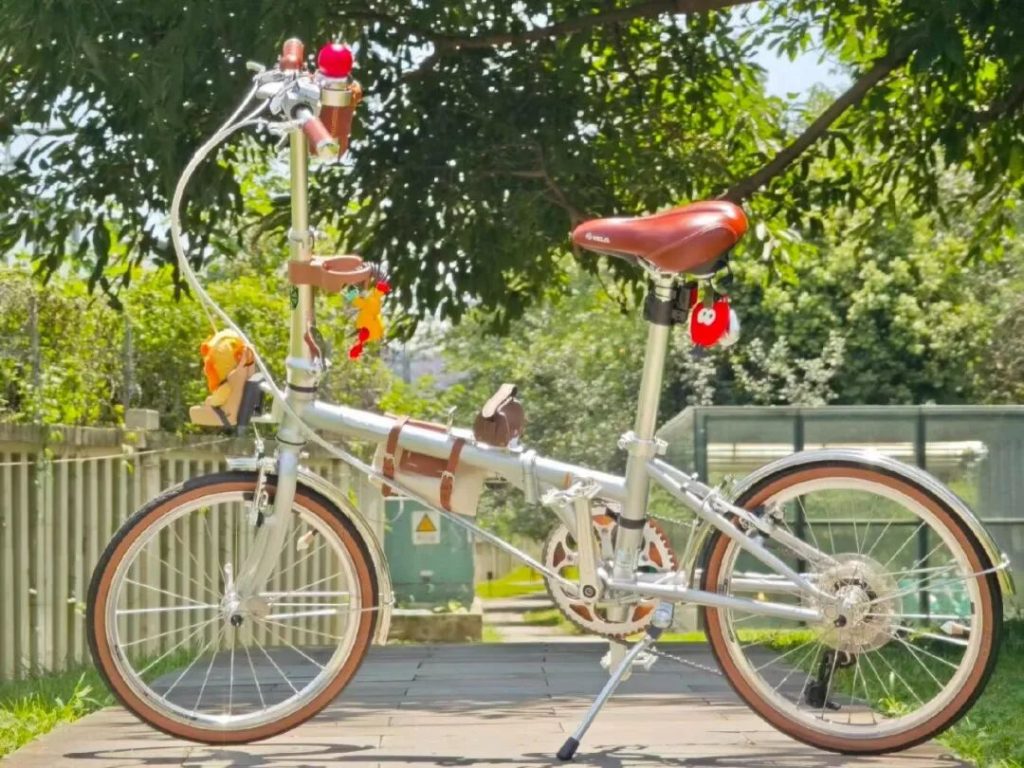

What started as a simple desire for a better commute has turned into a full-fledged career for Mark, a 32-year-old graphic designer from Portland. Like many during the pandemic, he turned to cycling for exercise and safe transportation. His search for the perfect bike led him down a rabbit hole of customization and online communities, primarily on Facebook groups dedicated to vintage and custom builds.
“I just wanted a reliable bike, but I fell in love with the process of building something unique,” Mark explains. “I started sharing my project online, and suddenly, people were asking if I could build one for them.”
His side project quickly gained momentum. He began sourcing unique frames and quality components, building and selling custom bicycles directly from his garage. His story reflects a broader trend of cycling enthusiasts turning their passion into small-scale, specialized businesses, fueled by direct customer engagement through social media.
Specialized Brands Gain Traction in a Crowded Market
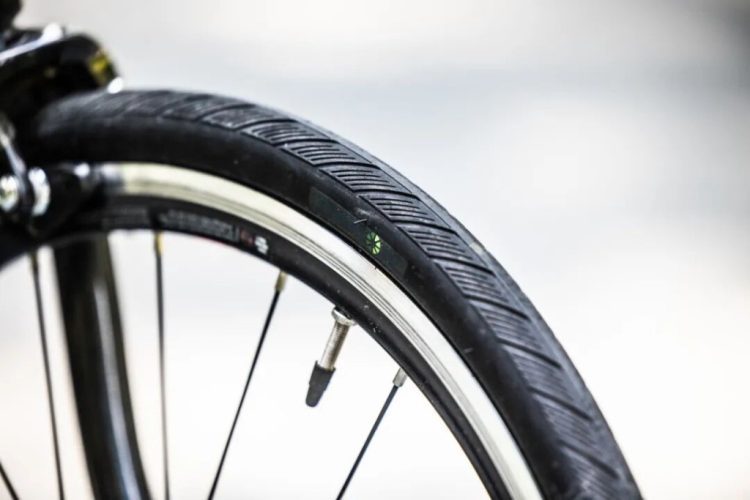
Beyond individual success stories, the market is seeing a significant shift towards specialization among established brands. Companies are no longer trying to be everything to every cyclist. Instead, they are carving out specific niches.
Performance Road & Gravel: Brands are heavily investing in lightweight gravel and endurance road bikes, catering to cyclists who want speed on both paved and unpaved surfaces.
Urban Mobility: There is a strong focus on “complete solutions” for city riders. This includes bikes with integrated lighting, locking systems, and cargo capabilities, moving beyond basic transportation to a seamless urban lifestyle product.
Premium Customization: The demand for high-end, personalized bicycles continues to grow. Brands and smaller builders are offering bespoke paint jobs, tailored geometry, and exclusive component sets to attract discerning customers.
This strategic focus allows brands to build a dedicated community and command stronger customer loyalty than they could with a generalized product line.
The Driving Forces Behind the Cycling Boom
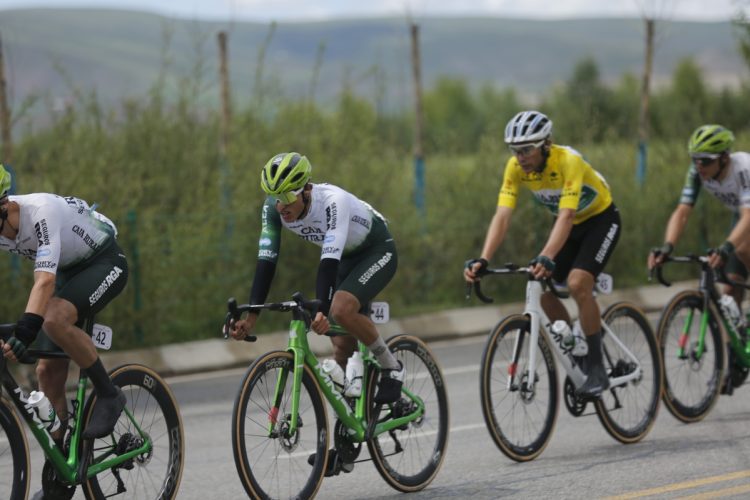
Several key factors are contributing to this sustained interest in cycling, transforming it from a fleeting trend into a lasting market evolution.
- The Post-Pandemic “Re-evaluation”: The lockdown period led many to rediscover cycling. This initial interest has evolved into a lasting appreciation for the health, economic, and environmental benefits of using a bicycle for daily errands and recreation.
- The Rise of E-Bikes: Electric bicycles have dramatically expanded the cycling demographic. They make cycling accessible to a wider range of ages and fitness levels, turning daunting hills and long distances into manageable commutes. E-bikes have become a legitimate car-replacement for many urban and suburban families.
- Cycling as a Lifestyle: Social media platforms are filled with cycling content—from scenic adventure rides to urban fashion shots with bikes. This has cemented cycling’s status as more than a hobby; it’s a key part of a modern, active, and sustainable lifestyle. Consumers are increasingly investing in a bicycle as they would in a quality car or computer—valuing quality, design, and performance.
Industry Outlook: Analysts predict that the market’s fragmentation into specialized niches will continue. The brands that succeed will be those that deeply understand a specific segment of riders and deliver exceptional, tailored products and experiences directly to them.


