
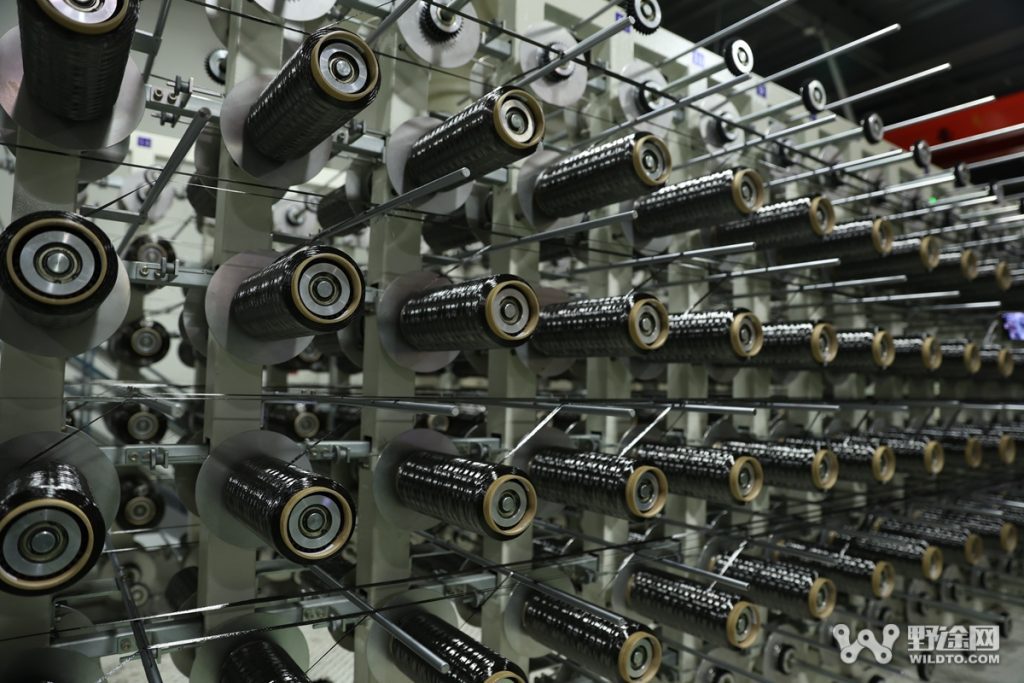

The North American bicycle industry has long relied on Chinese Original Equipment Manufacturers (OEMs) to produce frames and components. The model was straightforward: Brand X designs a frame, sends the plans to Manufacturer Y overseas, who produces it quickly and cost-effectively. The finished goods are then shipped back to Brand X for marketing and sale to North American riders.
This symbiotic relationship worked smoothly for decades. During that time, Chinese OEMs honed their expertise, progressing from manufacturing inexpensive goods to producing high-quality frames, wheels, and other components. With domestic manufacturing in North America often being prohibitively expensive or logistically impossible due to a lack of equipment and skilled labor, Chinese OEMs provided crucial manufacturing stability.
Now, dynamics are shifting on both sides of the Pacific. Manufacturing capacity in North America has declined over decades. China faces its own challenges, with rising wages and operational costs driving some production to other Southeast Asian nations. The Chinese OEMs that remain are finding they must adapt to survive.
This historical trend of Chinese imports dominating the U.S. market is now converging with modern developments like direct-to-consumer sales and AI-driven marketing. The conditions are nearly perfect for Chinese OEMs to make a major move into the North American market.
For the future of cycling in North America, this likely means more intense competition in a shrinking market, ultimately granting consumers lower prices and greater choice. However, this outcome depends entirely on how these OEMs navigate aspects of the bicycle business they have traditionally overlooked.
What is an OEM?
OEM stands for Original Equipment Manufacturer. Many products we buy are made by OEMs. The brands you know and love partner with these manufacturers to produce goods based on their own designs.
These OEMs typically operate behind the scenes, their factory names often unknown to the public. However, numerous factories that started as OEMs have eventually launched their own brands. For instance, Rob Gitelis, founder of Factor Bikes, began with an OEM in Taiwan before launching his own consumer-facing brand.
Many bicycle brands source their frames from overseas OEMs. While each brand maintains its own level of quality control, the designs almost always originate from the brand itself. The OEM handles the manufacturing, and the finished products are shipped globally. For example, of the approximately 12.5 million bicycles sold annually in the U.S., about 90% come from Asian countries.
Why China?
China secured its role in the North American market for several key reasons. First, its economic advantages, particularly within the cycling industry, were primed for expansion. As the world’s largest bicycle exporter, China possesses a powerful and mature manufacturing infrastructure trusted by both brands and consumers worldwide.
An estimated 60% of the world’s bicycles are manufactured in China. The growth of cycling culture within China has further solidified this massive market share. Crucially, Chinese OEMs have benefited from a highly motivated workforce and existing infrastructure that operates without the need for massive upfront investment, solidifying the nation’s status as a manufacturing powerhouse.
“Building a carbon factory in the U.S., with the capital required and hundreds of trained employees, is a daunting task,” says Adam Miller, founder of Revel Bikes. “We’d still need to buy factory equipment from Asia and raw materials from Japan, all with tariffs. Our expertise is in designing frames and providing great customer service, not in building carbon bicycle factories. It doesn’t make sense to concentrate our resources there.”
Therefore, the cost of establishing manufacturing facilities presents a direct financial barrier, especially for small and medium-sized brands already navigating thin margins and a contracting market.


