
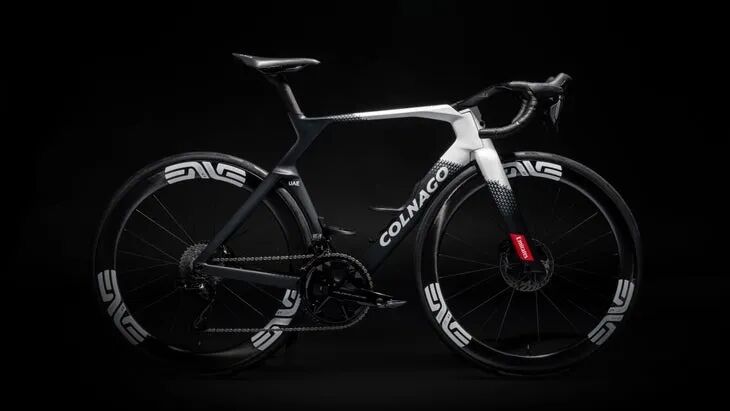

The European bicycle market is undergoing a significant transformation as import patterns shift in response to changing global trade dynamics and consumer preferences. Recent data reveals notable changes in how European countries are sourcing their bicycles and e-bikes.
European Import Patterns Show Diversification

European bicycle imports are showing interesting developments across different product categories. While traditional bicycle imports have seen some contraction, particularly in specific markets, electric bicycle imports continue to demonstrate robust growth as consumer demand for sustainable mobility solutions increases.
The data indicates that European importers are actively diversifying their supply sources beyond traditional manufacturing hubs. This strategic shift comes as the industry adapts to new regulatory requirements and changing cost structures.
Key Markets Demonstrate Varied Performance
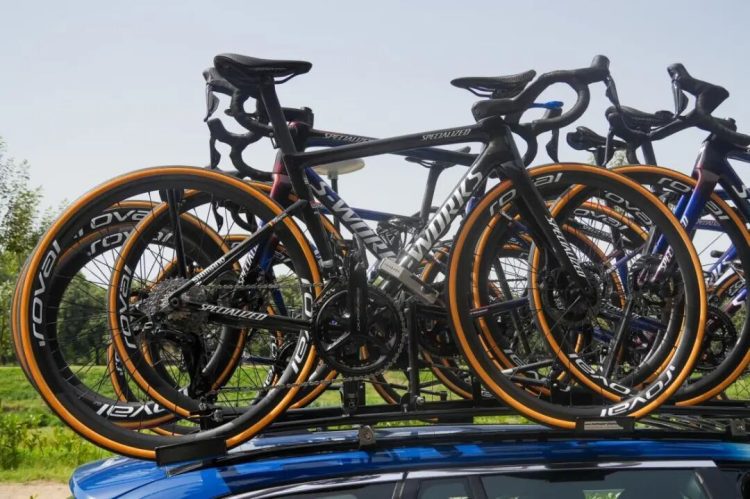
Major European markets are showing different trends in their import patterns. Germany, as Europe’s largest bicycle market, continues to show strong demand for both conventional and electric bicycles. Other markets like France, the Netherlands, and Italy are also maintaining steady import volumes while adjusting their sourcing strategies.
The United Kingdom, operating under its own trade framework since Brexit, has developed distinct import patterns that reflect its unique market requirements and tariff structures.
E-bike Import Growth Continues
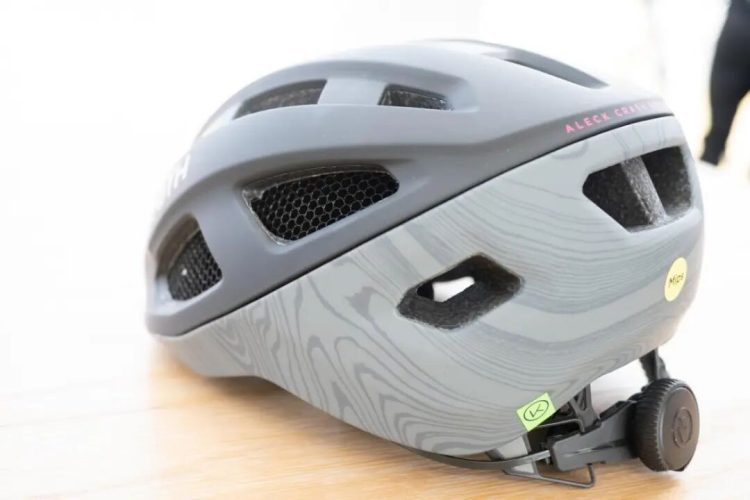
Electric bicycles remain the growth engine of the European bicycle market. Import data shows consistent increases in e-bike shipments, reflecting sustained consumer interest in electric mobility solutions. European consumers are increasingly embracing e-bikes for both urban commuting and recreational purposes.
The growth in e-bike imports comes alongside continued expansion of supporting infrastructure, including charging facilities and dedicated cycling paths, across many European cities.
Supply Chain Evolution
European importers are developing more complex and resilient supply chains in response to the changing global trade landscape. Many companies are establishing multiple sourcing relationships and increasing their inventory buffers to ensure consistent product availability.
This supply chain evolution includes both geographical diversification and deeper relationships with existing manufacturing partners. Companies are working to balance cost considerations with supply reliability and compliance requirements.
Market Outlook and Consumer Trends
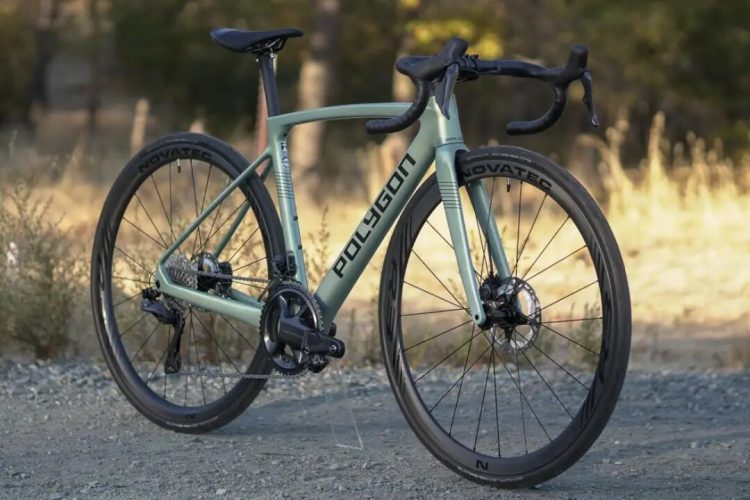
Industry analysts project continued evolution in the European bicycle market. Consumer preferences are shifting toward higher-quality, more specialized bicycles that serve specific use cases from urban commuting to recreational touring.
The market is also seeing increased interest in connected features and smart technology integration in both conventional and electric bicycles. This trend aligns with broader consumer electronics preferences and digitalization trends.
Market participants expect these developments to continue shaping import patterns and sourcing strategies throughout 2024 as the industry adapts to the new market reality.


