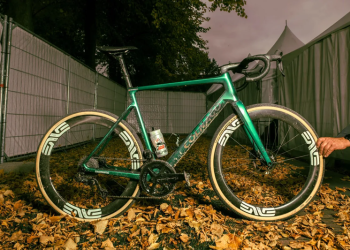
When choosing a road bike, many cyclists face a common dilemma: should they prioritize lightweight design for climbing or aerodynamic shaping for speed on the flats? Unlike professional riders who can switch between specialized bikes for different stages, most of us need one bike that performs well across various conditions. So, which offers a greater advantage—saving weight or cutting through the wind?
Two Schools of Thought: How Brands Approach Performance
Most major bicycle manufacturers offer distinct model lines targeting each philosophy. For example:
Trek offers the lightweight Émonda alongside the aero Madone

Giant produces the agile TCR and the sleek Propel
Merida has the climbing-focused Scultura and the wind-cheating Reacto

Some brands, like Specialized with its Tarmac SL7 and Pinarello with the Dogma F, have moved toward all-around bikes that blend aero profiles with light weight. These “do-it-all” machines aim to perform strongly in every scenario—climbing, descending, cornering, and sprinting.
Why Aero Often Wins in the Real World
Data from professional racing and independent testing consistently shows that aerodynamics play a larger role than weight for most riders on most routes.
Merida’s design lead, Jürgen Falke, notes: “Bike weight only affects acceleration or very steep climbs—but it’s also the most overestimated factor in cycling.”
Why is weight so overvalued? Perhaps because it’s tangible—you can feel it when you lift the bike. Aerodynamics, however, are invisible. Without a wind tunnel or CFD software, it’s hard to gauge a frame’s aerodynamic efficiency.
Let’s look at the numbers:
On a flat course at 30 km/h, saving 2 kg in bike weight would only gain you about 50 meters over an hour—an almost negligible advantage.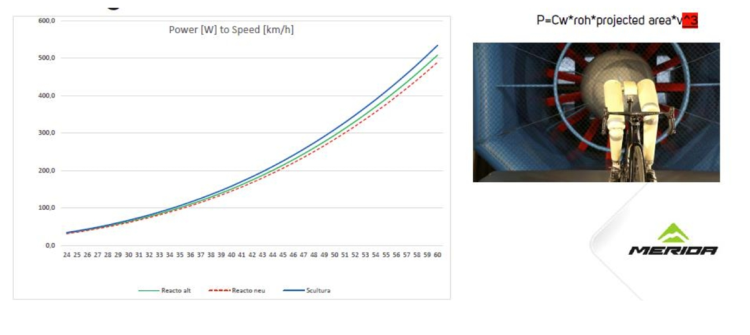
Even between dedicated climbing and aero frames—like the 230g difference between a Bianchi Specialissima and an Oltre XR4—the real-world impact of weight alone is minimal outside extreme gradients.
When Does Weight Actually Matter?
According to Swiss aerodynamics experts Swiss Side, weight only becomes the dominant factor on sustained climbs with an average gradient of 4.5% or more for amateur riders. For professionals, that threshold rises to around 7.5%.
This explains why you’ll see pros on lightweight bikes in major mountain stages like the Tour de France’s Mont Ventoux—but stick with aero bikes on rolling or flat stages.
What Should You Choose?
Most amateur cyclists ride across mixed terrain—flat sections, rolling hills, and occasional climbs. If you can only own one bike, an aero model or an all-rounder will likely serve you better.
As Specialized’s Chris Yu explains: “Racing is dynamic. If a stage is mostly flat with one short, steep climb, we’ll still go with the fastest aero bike, almost regardless of weight penalty. But if the race will be decided on a long, steep climb, we consider a lighter setup.”
Since the majority of riders spend 90% of their time on flats or rolling terrain, the consistent advantage offered by aerodynamics makes an aero bike the smarter choice for speed and efficiency.
The Verdict
Unless you live in the mountains or consistently seek out steep climbs, an aerodynamic bike will make you faster on most rides. While the appeal of a ultra-light bike is strong, the numbers don’t lie: aero saves more time, more often.
Choose a bike that helps you slice through the wind—you’ll feel the difference on every ride.