

Welcome back to our cycling exploration series. After discovering what cycling in Chongqing is like, we now turn to Inner Mongolia, with insights from local university students who share their experiences on two wheels in this vast region.
1. How Do Inner Mongolians Feel About the “Horse Riding to School” Stereotype?
When we first started engaging online, we’d seriously explain that we don’t ride horses to school, our taps don’t run with milk, grasslands aren’t everywhere, and we don’t feast on roast lamb daily…
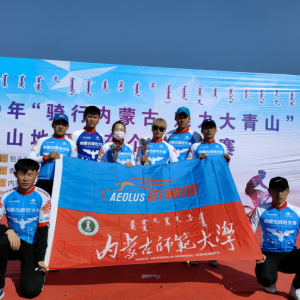
Over time, we’ve grown accustomed to these questions. Sometimes we even play along with the joke. It’s a sign of our interconnected world, where everything is visible to netizens everywhere. These questions are no longer serious inquiries—they’ve become inside jokes we all share and chuckle about together.
2. Do Cyclists in Inner Mongolia Actually Race Horses?
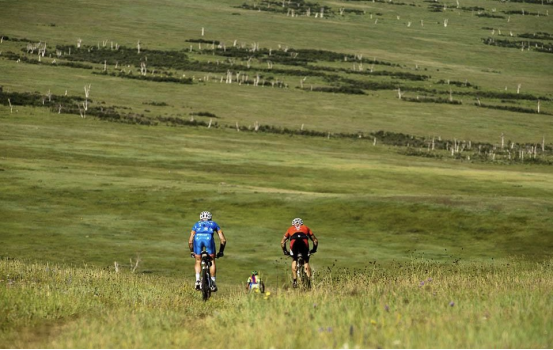
Cycling here means we’re more likely to encounter some friendly local ‘residents.’ While many joke that we Mongolians ride horses to school, that’s not the case. We study in cities like Hohhot and typically cycle in surrounding areas, not pastoral regions. We do occasionally spot wildlife—like the time we saw a deer flash through a distant forest on a grassland climb. We’ll excitedly call fellow riders to capture these fleeting moments. You’ll see cattle and sheep grazing leisurely under clear blue skies. Tired riders might jokingly debate whether to have beef or mutton for dinner that night. So, we encounter more cattle and sheep; the galloping horses seen on TV are actually quite rare. Given the chance, we’d love to chase their trails with our bike wheels!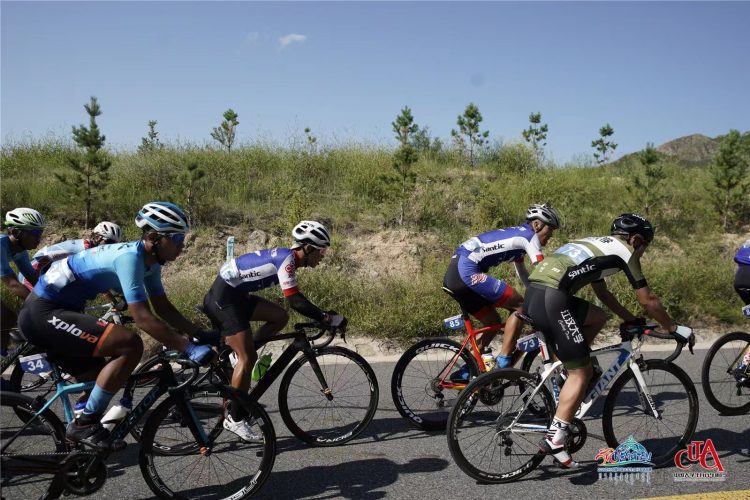
3. So, What’s the Cycling Experience Really Like?
As a southerner from lower altitudes, I initially noticed the thinner air, but you adapt. With spring approaching, we must talk about the infamous wind. It’s said the wind changes every ten miles here, and it always seems to be a headwind. Our year splits into two seasons: the windy spring-autumn-winter trio, and the skin-scorching summer. If you plan to ride on a windy day, regardless of the forecast, you’ll face a headwind—going west? The wind blows east. Heading south? It comes from the north (ー_ー)!! Every cycling enthusiast arriving at university here learns to respect the wind. Despite the flat terrain, nature provides its own version of climb training through these relentless headwinds—enough to challenge anyone.
The absolute best time for cycling here is a summer night. After the scorching sun sets, temperatures around 22-23°C are perfect. Riding the ecological roads outside the city center, you’re flanked by vast, lush grasslands. Look up, and a dense blanket of stars hangs overhead. The cool evening breeze carries the fresh scent of grass. After your ride, unwinding in nature makes all those windy battles worthwhile.
Every cyclist should experience Inner Mongolia in summer. It fills not just your computer wallpapers but your entire summer with substance. It caters to long-distance touring dreams—what tour is complete without the Hulunbuir grasslands? It also satisfies climbers and gravel riders—the depths of the Daqing Mountains hide scenery most people never discover.
4. What Should Cyclists Know Before Riding in Inner Mongolia?
First, the significant temperature difference between day and night requires careful layering for morning starts or night rides.
Second, ensure adequate supplies and preferably a riding partner for long mountain routes or extended distances.
Third, sun protection is crucial, especially in summer.
Fourth, respect local ethnic traditions and customs; understanding them beforehand prevents unintended offense.
Fifth, and most importantly, bring strong determination and perseverance.
No route here is easy from start to finish, but neither is any route unconquerable!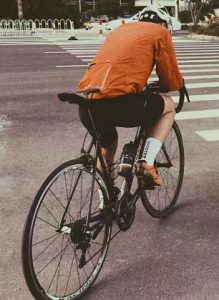
5. Is It All Flat? What About Climbers?
The Inner Mongolia Plateau has relatively stable tectonic activity. Long-term weathering, water flow, and wind erosion have smoothed the highlands and filled the low areas, creating a generally even surface. This does mean much of the cycling is predominantly flat. For example, the 150km ride from Hohhot to Baotou has less than 400m of elevation gain. As one of China’s windiest regions, with average annual wind speeds of 4-6 m/s, the plateau is very friendly for heavier, powerful riders on the flats.
However, climbers can still find their joy. The Yin Mountains stretch about 1,000 kilometers, essentially spanning the entire western part of Inner Mongolia. So, climbing opportunities exist. Classic routes around Hohhot like the “135 Route” and Shengshui Ridge, or Baotou’s Wudang Zhao, Jiufeng Mountain, and Zhao Great Wall sections offer excellent climbing challenges.


