
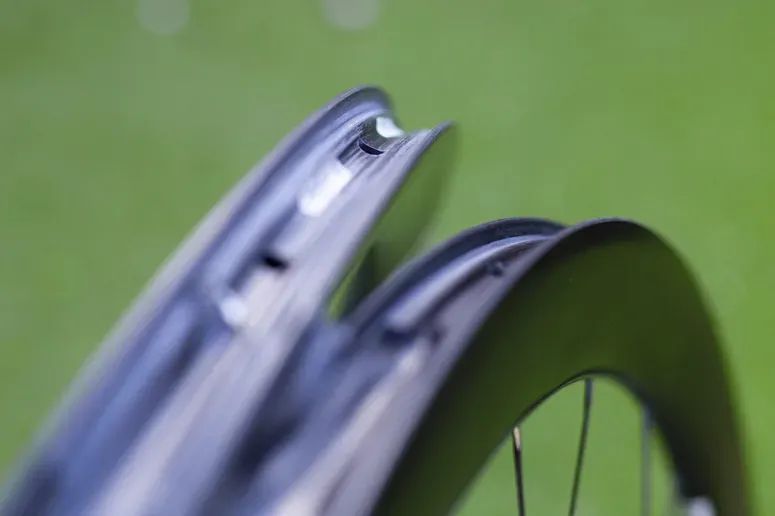

Josh Poertner, the former Chairman of the Bicycle Wheel Rim Technical Council and current CEO of Silca, has issued a strong rebuttal against hookless rims for road bikes, one of the most contentious topics in cycling in recent years.
“Hookless rims are a scam,” Poertner stated on a recent episode of the Marginal Gains Cycling Podcast.
Understanding Hookless Rims and the Controversy
Hookless rims – bicycle rims without the traditional bead hook that helps secure a clincher tire under pressure – first appeared in road wheel sets in the late 2010s but gained significant popularity around 2020 as major brands adopted the trend.
Brands that switched to hookless often cited reduced manufacturing complexity and performance gains as reasons. However, not everyone is convinced. DT Swiss, for instance, continues to use hooked rims “to offer users the safest and widest selection of tire compatibility.”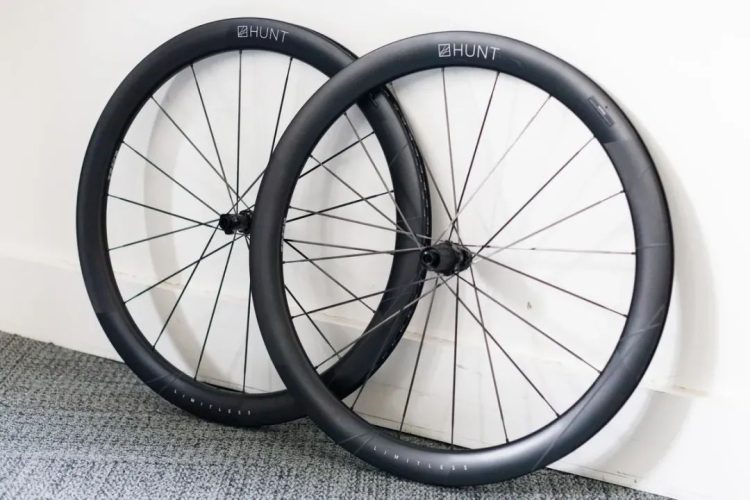
The Hookless Dilemma in Practice
Poertner’s views unfolded in response to a listener, Mike Thompson, who asked about the optimal tire setup for his new Hunt SUB50 Limitless wheel set, which uses a hookless design.
Thompson wanted to know if he could use his preferred setup – a 28c rear tire and a 25c front tire – while adhering to Poertner’s “105 Rule” (stating a rim should be at least 105% of the tire width for optimal airflow) and using Silca’s pressure calculator.
The calculator suggested 76psi for the front tire, exceeding the European Tyre and Rim Technical Organisation (ETRTO) maximum of 72.5psi for hookless rims. Thompson questioned if the rim’s potential aero advantages outweighed the performance loss from potentially running lower pressure.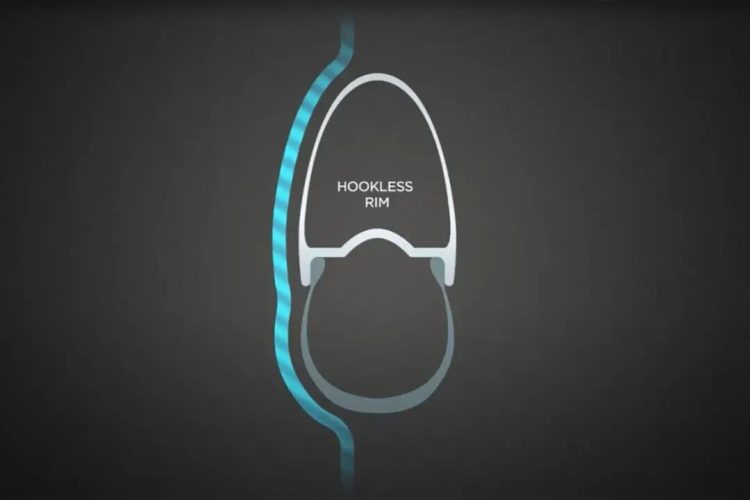
Poertner’s response was blunt: “You’re not going to like the answer… there are no aerodynamic advantages to hookless rims.”
He dismissed the idea of aero benefits as “hypothetical and theoretical from the brands making hookless rims,” adding that real-world wind tunnel testing had never confirmed these claims.
He argued that hookless rims often cause tires to inflate “slightly wider than normal,” making it difficult to satisfy the 105 Rule and more likely to adversely affect aerodynamics.
A Safety Concern Beyond Performance
Beyond performance, Poertner highlighted a critical safety issue with Thompson’s proposed setup.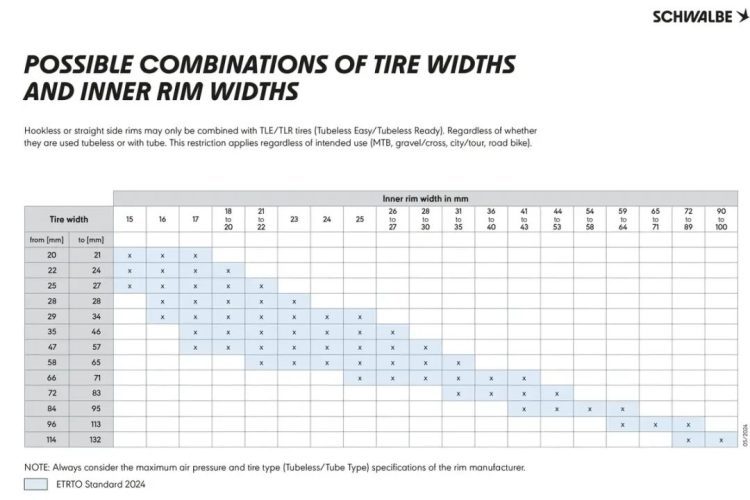
The Hunt SUB50 Limitless rim has a 23mm internal width, for which the ETRTO – and Hunt itself – specify a minimum tire width of 28mm. Using a 25c tire on these rims is “incredibly dangerous,” Poertner said, claiming he has seen “approved tires blow off hookless rims at pressures as low as 78 to 80 psi.”
Hunt confirms on its website that the SUB50 Limitless rim is “ETRTO compliant for 28c tires and wider” and that 25c tires are incompatible.
While switching to a 28mm front tire would resolve the pressure and safety issues, Poertner noted it might still sacrifice performance, as “those 28c tires will measure 30mm wide, so you cannot meet the 105 Rule.”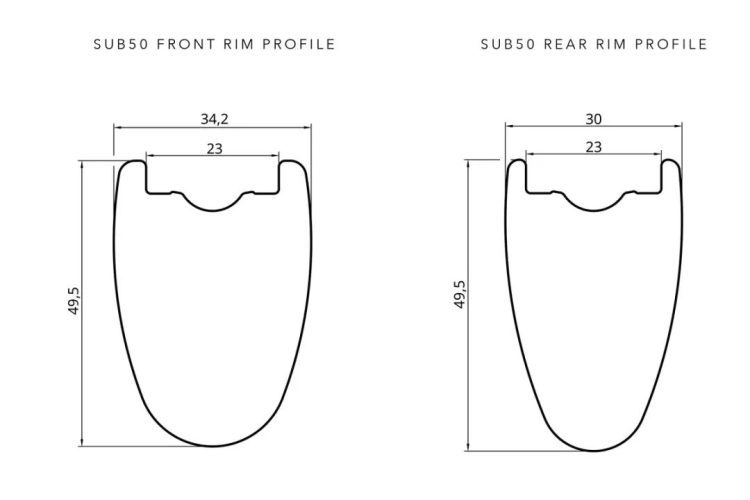
Hunt contested this specific point, noting their front rim has an external width of 34.2mm, which is 14% wider than a 30mm tire. The brand maintains its wheels are optimized for 28mm and 30mm tires and argues that focusing solely on the frontal area ignores other factors like high-yaw aerodynamics, grip, comfort, and rolling resistance.
Strong Opinions and Counterpoints
When pressed further, Poertner conceded hookless rims are “totally fine” for mountain and gravel bikes with their wider tires and lower pressures, but declared them unsuitable for road use.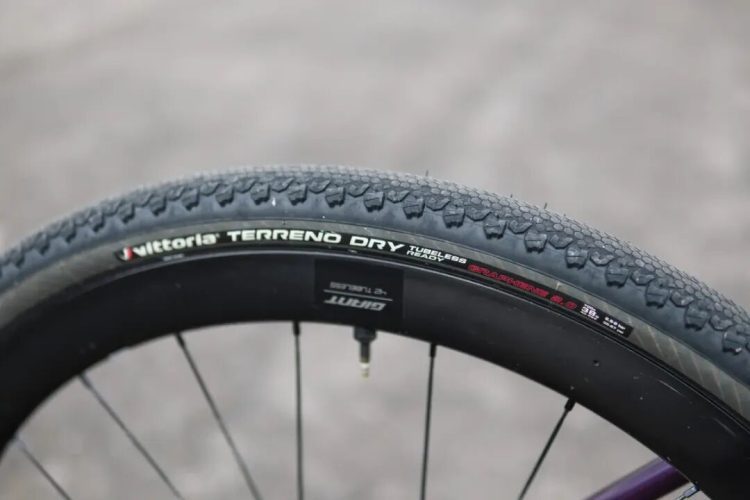
“It’s a strong word… but I think it’s a scam. I think it’s significantly less safe than it should be, and there are absolutely no benefits in any performance category – in fact, it probably hurts performance in some,” he stated.
He asserted that “the only reason manufacturers went to hookless rims is that they could reduce manufacturing costs,” while expressing dissatisfaction that some brands sell them “for the same price as the hooked rims they replaced.”
Zipp has previously acknowledged lower production costs for hookless rims. However, the brand cited other advantages like lighter weight, higher impact resistance, and tighter tolerances. Initially, Zipp passed some savings to consumers, with its first hookless 303 Firecrest wheel set in 2020 priced significantly lower than its hooked predecessor.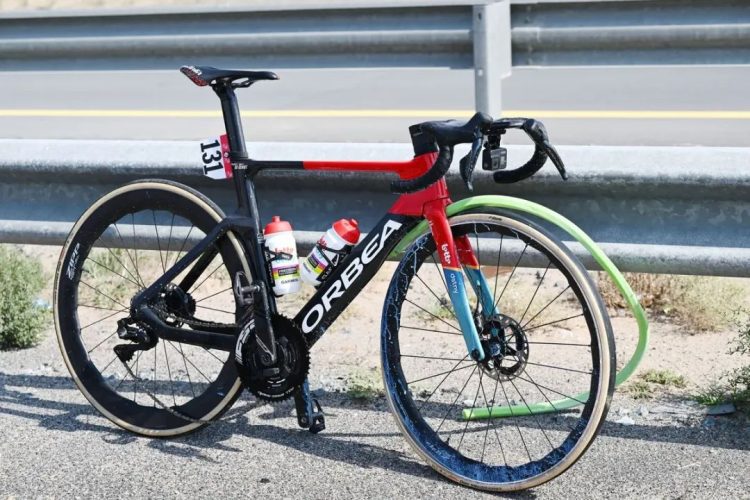
Poertner said he expects manufacturers will be “very unhappy” with his comments, but “I still don’t like hookless rims.”
Criticism of Low Margin for Error
Summarizing his stance, Poertner criticized the low margin for error with hookless rims, calling it unlike “any other product in the history of the bicycle.”
“In our lab, on highly calibrated equipment, we have seen approved tires for [hookless] rims blow off at pressures as low as 78 to 80 psi… It is purely a safety risk for no benefit.”
This sentiment was echoed by Red Bull-Bora-Hansgrohe Engineering Lead Dan Bigham, a key figure in the current safety debate in the pro peloton. Following a high-profile incident where Thomas De Gendt’s tire blew off a Zipp 353 NSW hookless rim during the 2024 Tour of the UAE, Bigham posted on X: “History will not be kind to hookless rims for road… I don’t think having a safety factor as low as 1.1 is ‘fine’.”
That incident prompted the UCI to launch an investigation into hookless rims. By late March 2024, the UCI issued a directive reminding teams of the latest ISO standards and committed to an “in-depth analysis” of its regulations on the topic.
While De Gendt’s tire sponsor, Vittoria, claimed the incident was “unrelated” to his use of hookless rims, the company later began producing 29c “Wide Rim Optimised” tires to help its sponsored pro teams comply with ISO and ETRTO recommendations for wider rims. These tires, spotted on Jonas Vingegaard’s bike and officially launched this year, aim to provide a better aerodynamic profile on wide rims.
It remains unclear if this development, or similar ones like Continental’s new 30c Archetype tire for wide ENVE rims, will change Poertner’s perspective.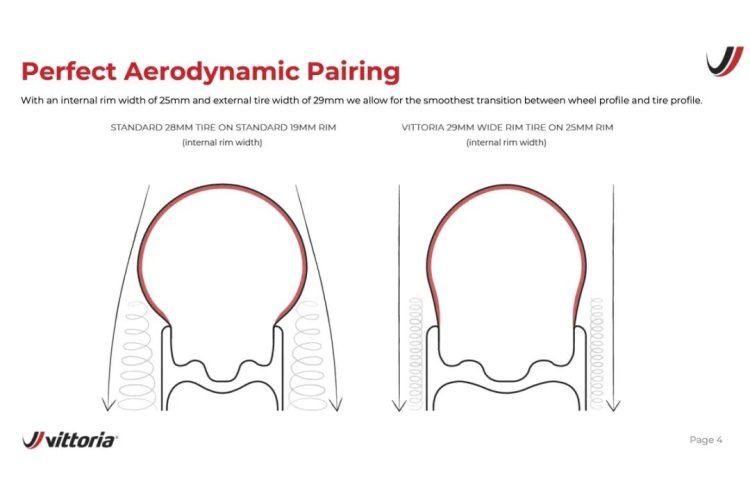
Meanwhile, the fact that reigning Tour de France champion Tadej Pogačar is using ENVE’s new SES 4.5 Pro wheels with a narrower internal width and a “mini-hook” at this year’s race raises the question of whether this is an isolated case or a signal of a broader trend back toward hooked rims. The “hookless dilemma” for road bikes is clearly far from settled.


