


From pointless ultra-lightweight accessories to TPU inner tubes, we’re looking back at the upgrades that just didn’t deliver.
Upgrading your bike should mean better performance, more fun, or at least a more personalized ride. Unfortunately, not all upgrades turn out to be worth the money or the hype—many end up in the parts drawer or on the secondhand market.
We’re revisiting some of the worst road bike upgrades we’ve personally bought, hoping it might help you weigh the risks before your next purchase.
01 | No-Name Oval Chainrings
Back in 2013, Chris Froome dominated the Tour de France with an asymmetric chainring setup. The marketing claimed they’d give you more power, eliminate dead spots, and make you faster. I was sold.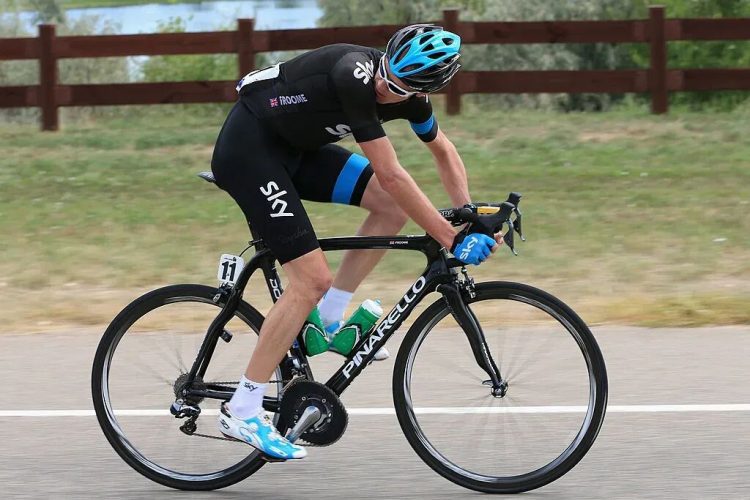
But as a broke student, I couldn’t afford big names like Rotor. So I turned to eBay and found a Doval chainring for a fraction of the price. It looked the part—until I tried installing it.
The mounting hardware was all wrong. I ended up grinding down washers from my dad’s toolbox just to make it fit. Then came the front derailleur tuning—let’s just say the chain dropped more than it stayed on.
Worst of all? My power and race results didn’t improve one bit.
02 | Ultra-Light Cassettes (And Other Weight-Weenie Mistakes)
Let’s rewind to the height of the weight-weenie era—1999. Carbon was just emerging, but aluminum still ruled. We were all obsessed with shaving grams, but I soon learned that less weight doesn’t always mean a better ride. Sometimes, it means a worse one.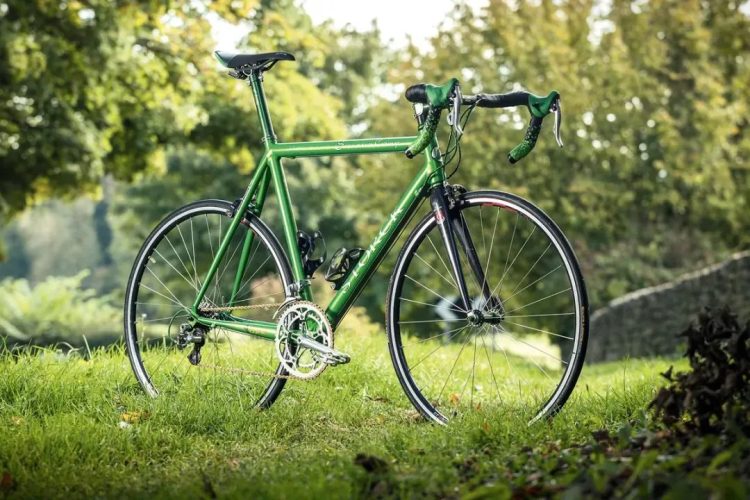
I “upgraded” my trusty Stoke Scenario with all sorts of dubious parts: titanium quick-releases that didn’t clamp properly, alloy bolts that stripped easily, and a no-name 9-speed cassette machined from a single block of aluminum.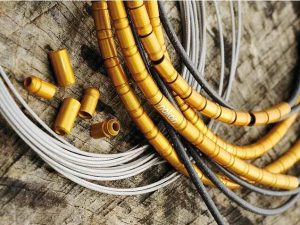
I swapped out a perfectly good Campagnolo Record cassette for this featherweight piece—saving 135 grams for hundreds of pounds. Shifting was… okay. But the 11-21t range was a disaster on anything but flat TTs.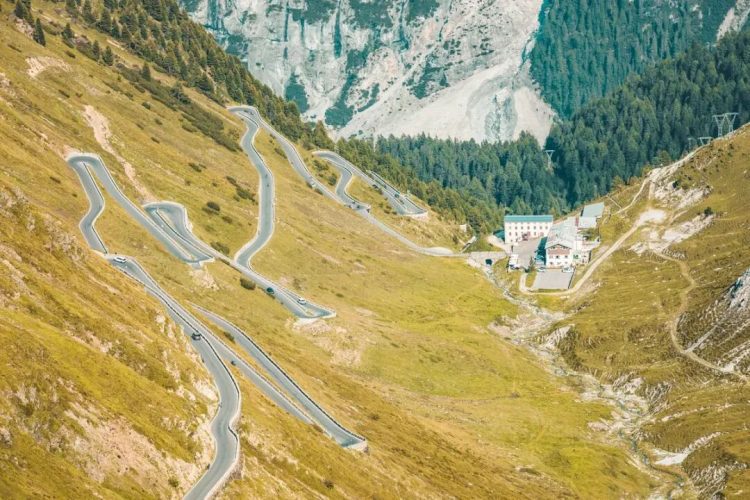
Trying to climb the Stelvio with a 40×21 low gear was a lesson in suffering. I eventually learned: a comfortable gear range beats bragging rights any day.
03 | Cheap Carbon Tubular Wheelset
In 2013, I picked up a pair of Planet X CT45 carbon tubular wheels. They were deep, they were light, and they looked fast. But were they practical? Not even close.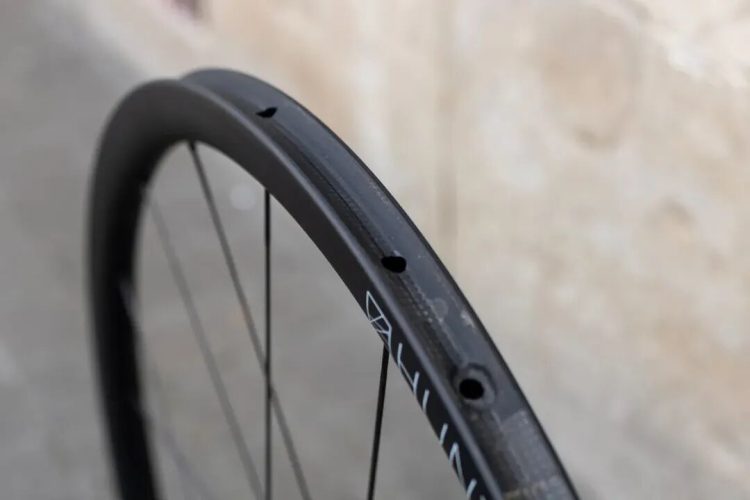
I went through the hassle of gluing on Schwalbe and Vittoria tires—only to spend every crit race paranoid that the front tire would roll off. Braking in the rain was scary even with aftermarket pads. And honestly, I’m not sure they were any faster than my trusty Shimano Ultegra clinchers with GP4000s.
After a crash cracked one of the rims, I didn’t even bother repairing them. Good riddance.
04 | TPU Inner Tubes
TPU tubes are light, compact, and theoretically offer lower rolling resistance. But in practice? They’ve been nothing but trouble.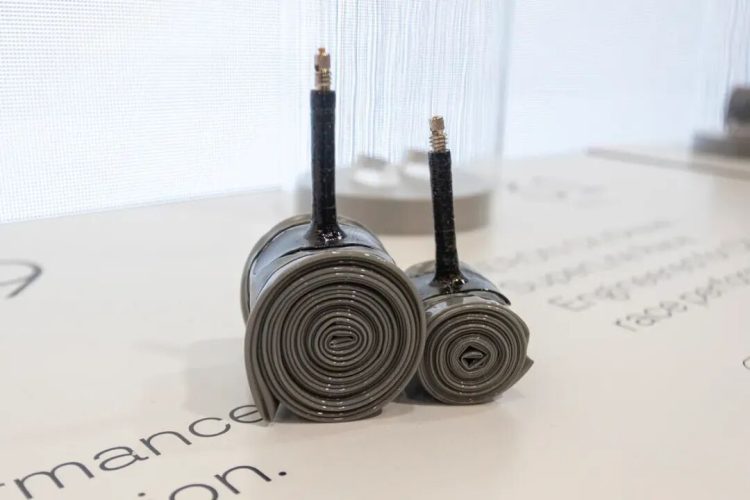
Punctures require brand-specific patches and glue—not exactly convenient on a long ride. I’ve also snapped valve stems on Schwalbe’s Aerothan tubes mid-repair. And when I tried installing a pressure sensor, another tube ended up unusable.
While I get the appeal for weight-conscious riders on clincher rims, I’ll be sticking with vacuum-sealed tires from now on. TPU just isn’t worth the hassle.
Final Thoughts
Not every upgrade is a step forward. Sometimes the “bargain” ends up costing more in time, money, and frustration. Whether it’s questionable chainrings, unreliable lightweight parts, temperamental wheels, or finicky tubes—we’ve been there.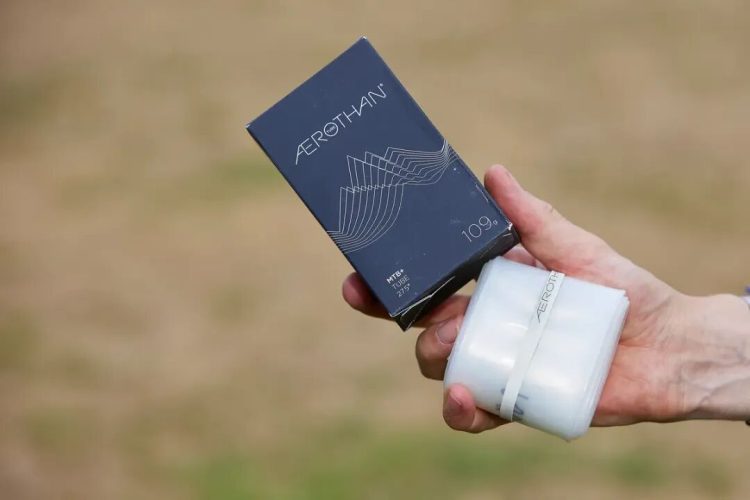
Learn from our mistakes: sometimes, the best upgrade is the one you don’t make.


