
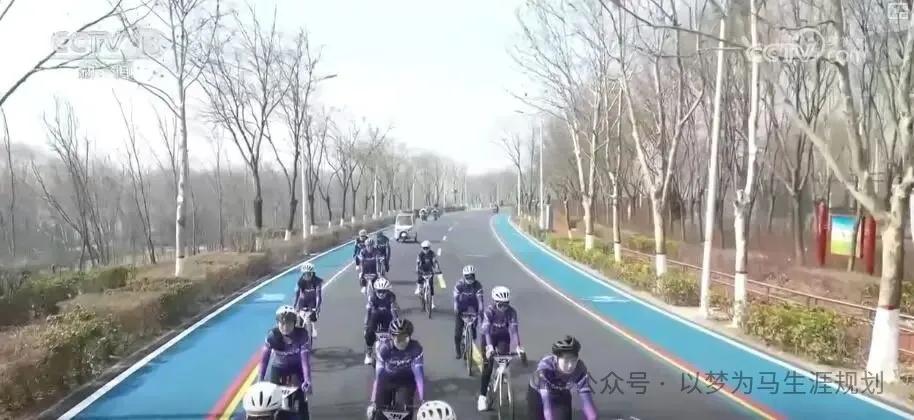

According to the China Bicycle Association, the total number of bicycles currently in use in China exceeds 200 million, while the number of electric bicycles reaches approximately 380 million.
Daily “two-wheel travel” across the country reduces carbon emissions by about 10,000 metric tons. Based on an average fuel consumption of 8 liters per 100 kilometers, this is equivalent to saving roughly 6.6 million liters of gasoline. Among every 100 trips made by urban residents in China, about 30 are completed via “two-wheel travel.”
Thanks to their flexibility and efficiency, bicycles have become an ideal means of transportation for short urban commutes. Their low-carbon nature also contributes significantly to reducing energy consumption and improving air quality.
At the same time, cycling has emerged as a new social trend, with more than 18 million cycling enthusiasts nationwide and over 100 million people regularly riding bicycles.
Amid this trend, electric-assisted bicycles—positioned as an intelligent upgrade from traditional bicycles—are leading a new wave in the global cycling market. With advantages such as reduced physical effort, longer range, and smarter features, they have become an important component of slow-moving transportation in many countries.
As infrastructure continues to improve and environmental awareness grows, cycling has evolved from a simple mode of transportation into a healthier, greener, and more sustainable lifestyle.

CCTV News: September 17 is World Cycling Day. Recently, bicycle events have been enthusiastically organized across China. These events not only attract professional riders from home and abroad but also include public cycling activities, allowing more people to experience the joy of riding.

On September 15, the 13th Tour of Poyang Lake International Cycling Race kicked off in Jiujiang, Jiangxi Province, with more than 130 riders from 22 teams representing 33 countries and regions.
As cycling gains popularity, the 2025 edition of the event also featured 57 supporting public sports activities, including orienteering challenges and group riding experiences.

In Shanghai, the 2025 Tour of Shanghai·New City Cycling Race recently concluded. Alongside the professional race, amateur events such as individual time trials and men’s and women’s elite races were held, attracting nearly 3,000 cycling enthusiasts—more than half of whom came from outside Shanghai.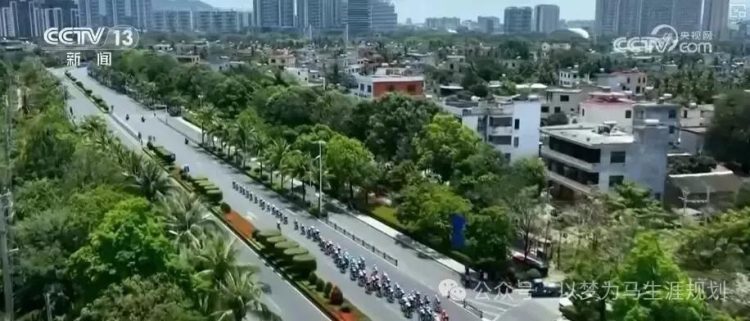
Xiong Xin, Secretary-General of the China Cycling Association, stated that in recent years, local governments have placed greater emphasis on organizing cycling events. This has not only elevated the scale and influence of these competitions but also led to the development of premium cycling routes that showcase local natural scenery and cultural characteristics, further promoting the popularity and growth of cycling.
It is reported that China now hosts more than 2,000 mass cycling events each year, with annual participation exceeding 5 million.
New Fitness Trend: Cycling Gear Sales Boom
Autumn is the perfect season for outdoor cycling. As riding becomes an increasingly popular choice for both transportation and fitness, demand for related equipment continues to grow. A “cycling hub” in Beijing’s Mentougou District has gained popularity among enthusiasts by offering diversified services.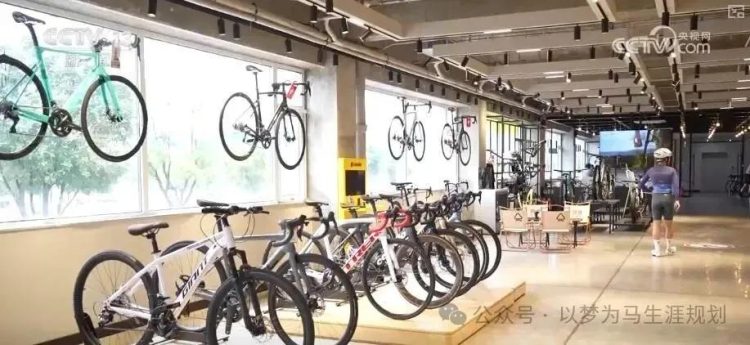
Mr. Wang, an avid cyclist, mentioned that he was able to get all his equipment “in one stop,” along with services such as maintenance and bicycle storage.
Mr. Song, responsible for a Beijing-based cycling store, explained that they provide dining, coffee, and leisure areas, creating a full-scene recreational space for cyclists.
According to the China Bicycle Association, the industry’s revenue reached approximately 307.5 billion yuan in 2024. Market demand for cycling apparel, helmets, glasses, and other sports equipment continues to rise.


