
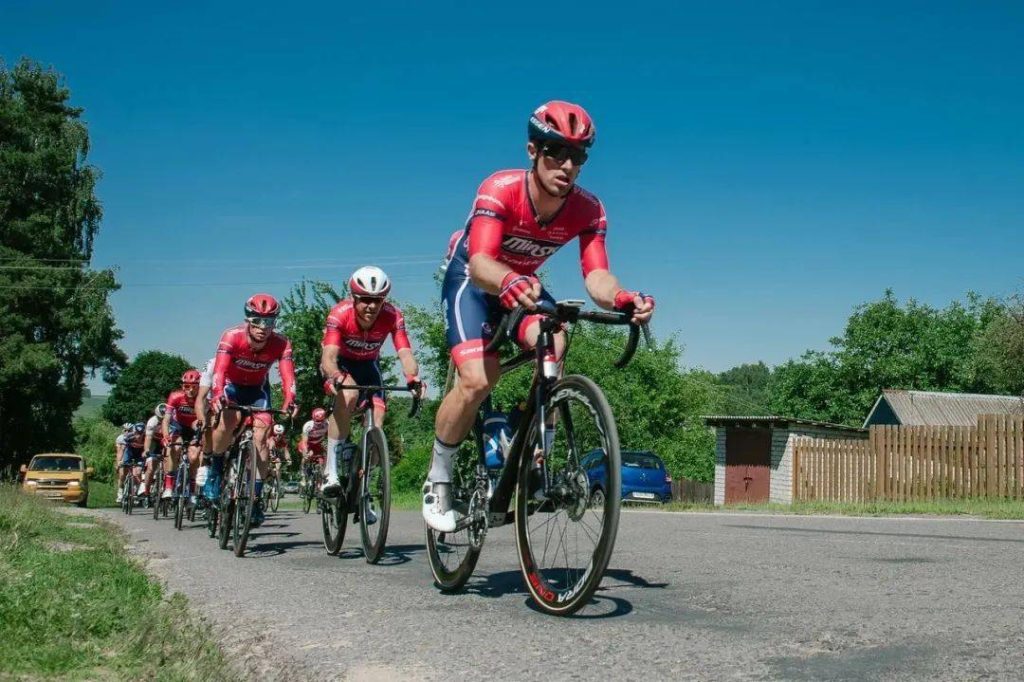

Why do cyclists in road races often form single or double-file lines?
In competitive cycling, rivals can become temporary allies—all to combat wind resistance. Whether racing or training, mastering paceline skills is essential for any professional team. Proper technique lets you ride efficiently, while mistakes can drain energy and defeat the purpose.
1. Team Composition
An ideal paceline works like a mentor system: experienced riders guide newcomers, creating a balanced and effective rotation.
2. Formation Types
There are two main paceline formations: single and double.
Single Paceline: All riders follow the leader at a steady pace. When the lead rider pulls off to the side, the second rider takes over. Lead times can range from a few seconds to several minutes.
Pro tip: A single file takes up less space on the road.Double Paceline (Rotating Paceline): Also called a “waterfall” or “chain-gang,” this involves two parallel lines—one accelerating, the other recovering. The faster line gradually moves ahead.
When you’re leading and pull about a wheel’s length past the recovery line, it’s time to switch. Move smoothly into the recovery line, drift back, and rejoin the accelerating line at the rear.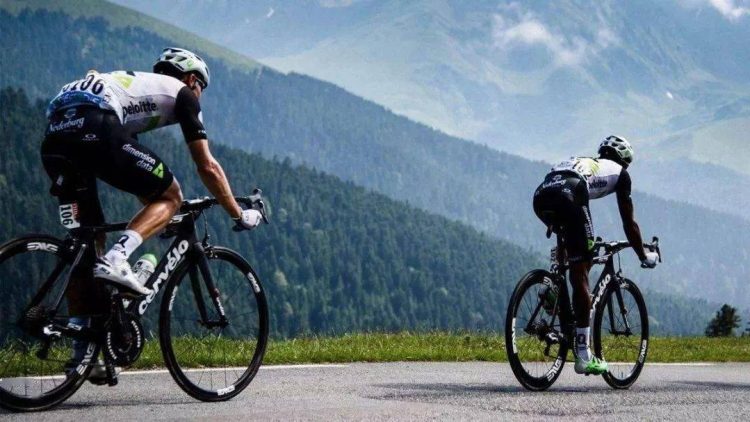
3. How to Practice
Start with the single paceline. The lead rider should pull for about 20 seconds, then smoothly moves left or right—keeping elbows close to the group—and drifts to the back.
Pro tip: Always signal your move and agree on the rotation direction. If pulling off to the right, tap your left elbow, and vice versa.
Next, try the rotating double paceline. Practice both clockwise and counterclockwise rotations until the movement feels natural.
Finally, train for crosswinds. In strong side winds, the group shifts into an echelon formation—a diagonal line that protects riders from the wind. Always rotate toward the windward side.
Note: Overlapping wheels in an echelon is risky. Inexperienced riders can cause crashes. Practice in open, safe areas.
4. Key Tips for Success
Stay Close: Drafting closely behind another rider significantly cuts wind resistance. Top pros often ride just inches apart.
Pro tip: Keep your front wheel within a fist’s distance of the wheel ahead—never more than half a wheel back.Position New Riders Wisely: Place less experienced cyclists behind seasoned riders. Pacelining is about teamwork and trust.
Stay Smooth and Predictable: Avoid sudden braking or acceleration. If the gap narrows, soft-pedal or stand briefly instead of hitting the brakes.
Pace Yourself as the Leader: Watch your bike computer. New leaders often push too hard and destabilize the group.
Take a Break When Needed: If tired, slot into the “gatekeeper” position at the back for a few rounds. Communicate this to your teammates so they can rotate smoothly around you.
Close Gaps at High Speed: As pace increases, gaps tend to form. Stronger riders should move up to fill them.
Adjust on Climbs and Descents: On climbs, wind matters less—focus on consistent cadence. On descents, keep speed steady so the group doesn’t bunch up or stall.
Look Ahead: Don’t fixate on the rear wheel in front of you. Focus about 10 meters ahead to anticipate changes and react in time.


