
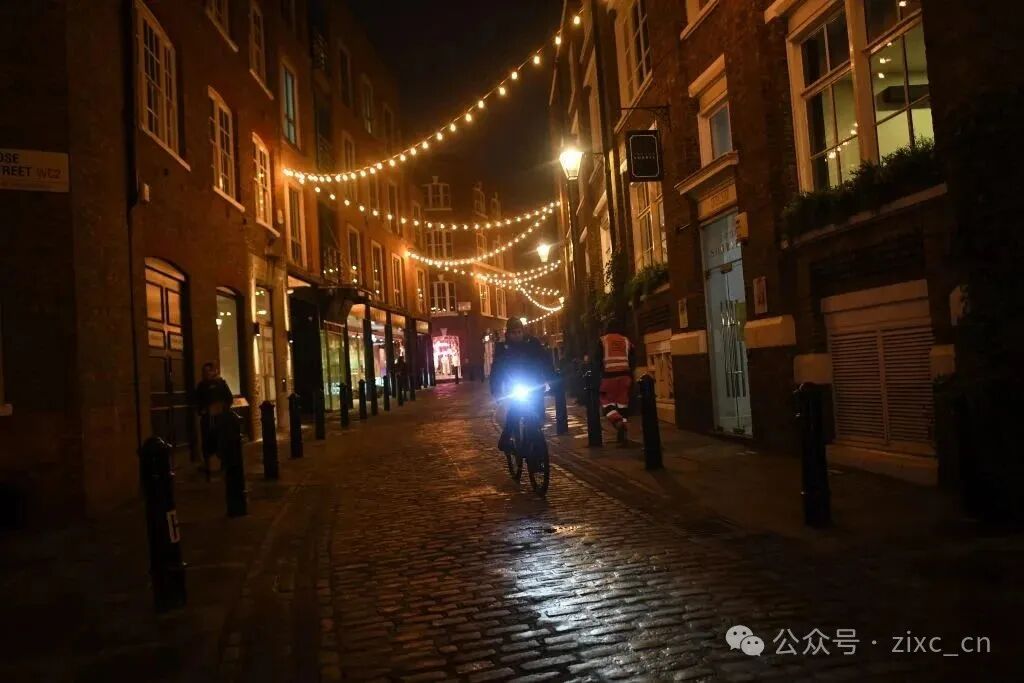

1. While Other Nations Mandate Lights, Many Here Still Rely on Luck
When the sun sets, a dangerous divide emerges on the roads. In countries like the UK, Germany, and the United States, cycling after dark without proper illumination is illegal. In China, for a vast number of riders, it remains the norm.
🇬🇧 United Kingdom: Lights are Mandatory by Law
- The law mandates a white front light and a red rear light, plus a red rear reflector for night riding.
- Flashing lights are permitted, but a steady front beam is often recommended.
- Helmet lights cannot replace bike-mounted lights.
- Pedals must feature amber reflectors – a rule that even applies to clipless pedals, requiring special attachments.
🇩🇪 Germany: The World’s Strictest Standard
- All bicycle lights must comply with the stringent StVZO certification, governing beam pattern, brightness, and angle to avoid dazzling others.
- Bicycles must be equipped with front and rear reflectors, plus side reflectors on wheels or frame.
- Dynamo-powered lighting systems must meet the standard and include a ‘standlight’ function that remains lit after stopping.
🇺🇸 United States: A State-by-State Approach with Clear Minimums
- Most states require a front light visible from at least 500 feet (approx. 150 meters).
- A rear reflector or red light must be visible from 600 feet (approx. 180 meters).
- California goes further, requiring yellow reflectors on ankles or pedals.
The Common Thread: In these nations, safety is not an option, but a requirement.
2. The Reality in China: Are 70% of Night Riders ‘Invisible’?
There are no official national statistics, but sampling surveys within cycling communities and industry observations suggest a startling figure:
Over 70% of casual cyclists either do not use lights at night or have no lights installed on their bicycles.
The situation is compounded by several factors:
- Many shared bicycles have broken or non-existent lights.
- Low-cost new bicycles are often sold without compliant lighting systems.
- Many urban bike lanes lack adequate street lighting or physical separation from motor traffic.
- Traffic police rarely, if ever, enforce bicycle lighting regulations.
Many riders rely on streetlights, luck, and personal vigilance. But this creates a dangerous illusion: in the shadows between light pools, you become virtually invisible to drivers.
“The driver simply didn’t see me. It wasn’t that they didn’t want to brake—they genuinely didn’t see me until it was too late.”
— A cyclist involved in a collision.
3. Cyclists Speak Out: Lights Aren’t About Compliance, They’re About Survival
We gathered perspectives from riders across the country:
- “I installed a 3000-lumen headlight. Some people joke that it’s ‘cyberpunk,’ but I know it saved me one night.”
— A Kai, Beijing, nightly commuter. - “My mom told me to remove my tail light because it was ‘too flashy.’ I told her, ‘If it’s not flashy, I might not make it home.'”
— Xiao Lin, Chengdu, university student. - “Our club requires lights for our group night rides. Some complain it’s ‘too troublesome’ or ‘unnecessary.’ But we’re not organizing a memorial ride.”
— Leader of a Guangzhou cycling club.
 4. The Debate: Why the Resistance to Using Lights?
- “I don’t ride at night.”
→ But overtime, social events, or unforeseen delays can happen to anyone. Can you guarantee you’ll always be home before dark? - “The streetlights are bright enough.”
→ Streetlights illuminate the road, but they do not make you, the rider, visible. Drivers need a moving light source to judge your position and distance accurately. - “Lights are too expensive or heavy.”
→ A basic, effective LED light set can be purchased for under 50 RMB and often weighs less than 50 grams. - “The police don’t enforce it, so why bother?”
→ Personal safety should not be motivated solely by the fear of a fine, but by the goal of returning home safely.
5. A Call for China to Consider Mandatory Bicycle Lighting
This is not a call for immediate, punitive enforcement, but a suggestion to begin a process:
✅ Clear Legislation: Define a legal requirement for front and rear lights during nighttime cycling.
✅ National Standard: Develop a Chinese safety standard for bicycle lighting.
✅ Factory-Fitted: Make compliant lighting systems mandatory for all new bicycles sold.
✅ Public Education: Promote the “Lights On for Safety” message in schools, communities, and on platforms.
✅ Phased Enforcement: Begin with warnings and education, moving towards stricter enforcement over time.
This is a matter of civic progress. When electric scooters and cars are bound by strict lighting laws, why should the safety of cyclists rely solely on individual discretion?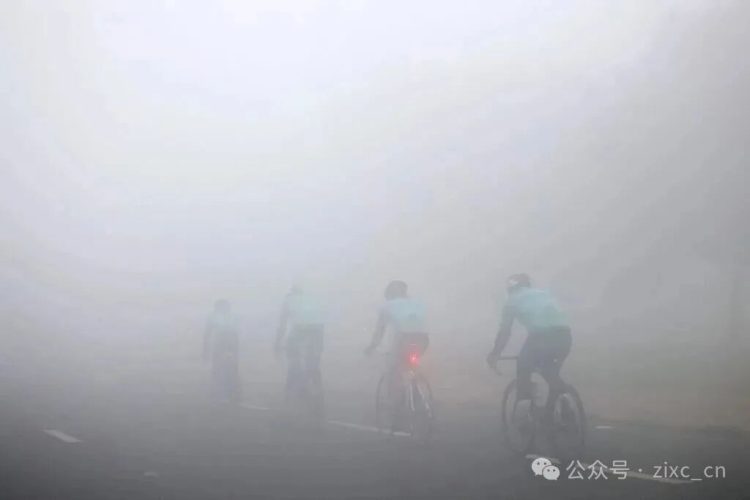
6. Starting Today, Light Your Way
You don’t need a 3000-lumen searchlight. Start with these basics:
Front Light: White, steady or flashing, visible from a distance.
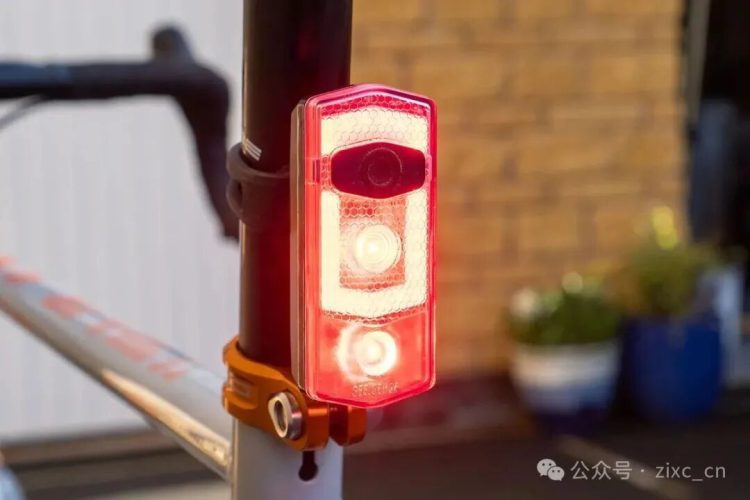
Rear Light: Red, flashing mode is highly recommended for increased attention.
Regular Checks: Ensure batteries are charged and lights are securely mounted.
A set of lights costs less than a meal, but its value is a lifetime of safety. It's Not About Being Regulated, It's About Being Seen.
Cycling represents freedom, passion, and a lifestyle. But we should not have to risk our lives for that freedom, or allow our passion to turn into tragedy.


